
A Class by Rabbi Eliezer Berland shlit"a for the Students of the "Chochma V'Daas" Yeshiva
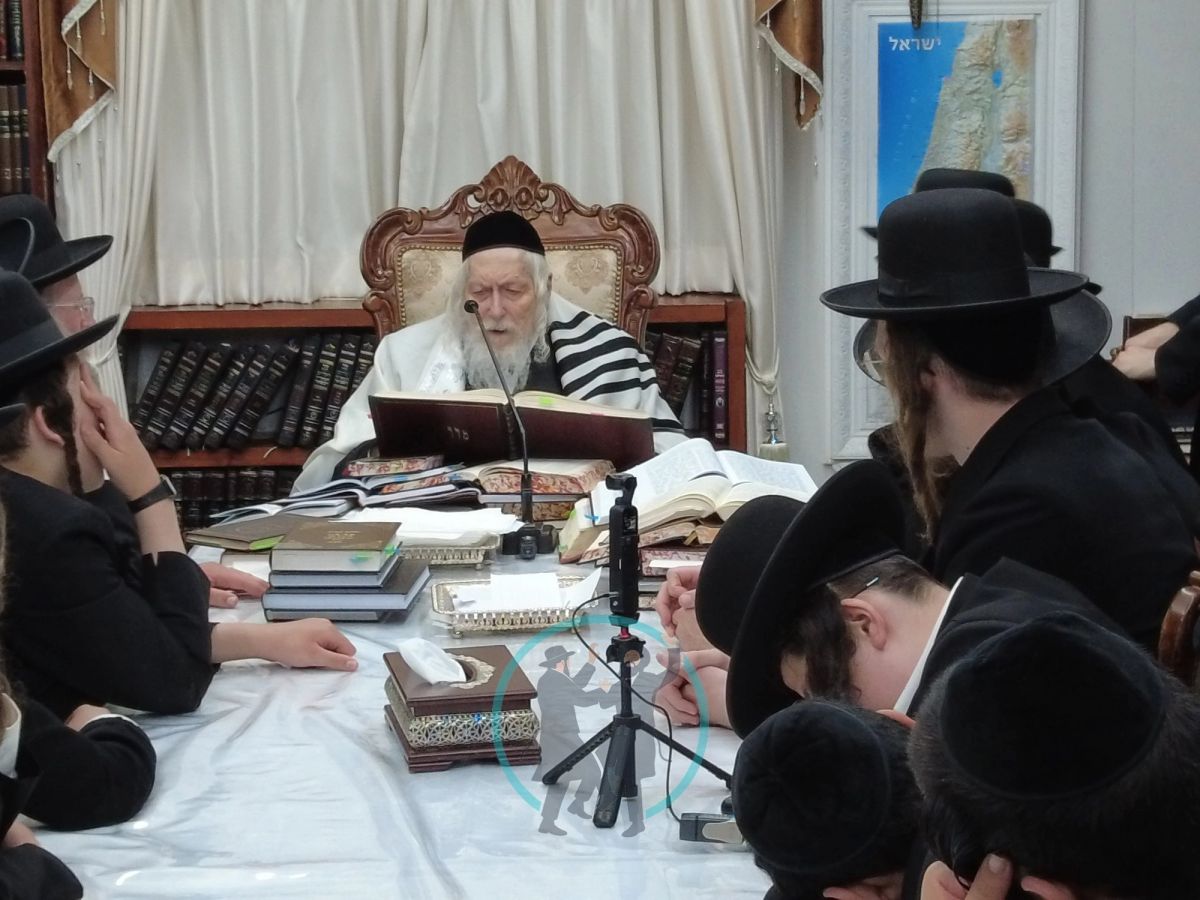
**In a long and fascinating class held at his home, Rabbi Eliezer Berland shlit"a unfolded a broad canvas of Torah before the students of the "Chochma V'Daas" Yeshiva — from the weekly Torah portion and Talmudic topics, through the days of war and the anticipation of the Geulah (Redemption), to wondrous stories of tzaddikim — as the students sat around him, absorbing every word.**
A Special Class in the Home of the Rav
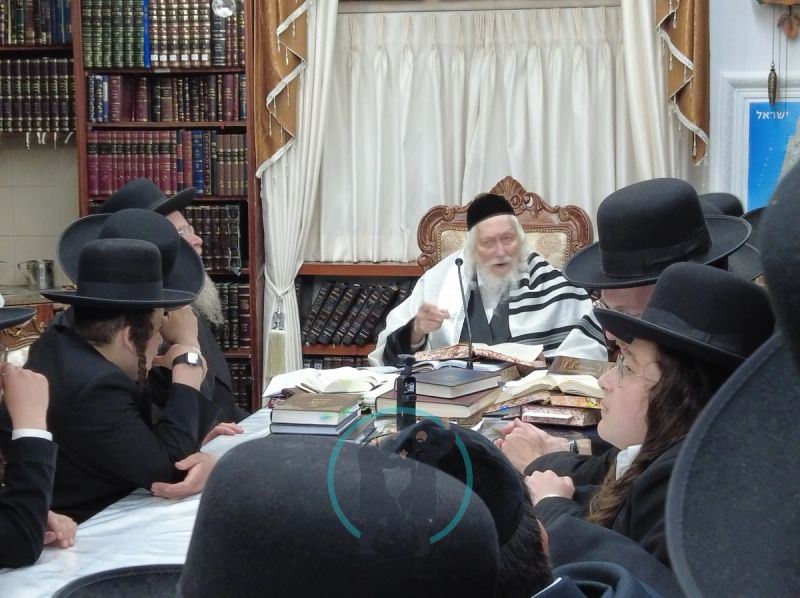
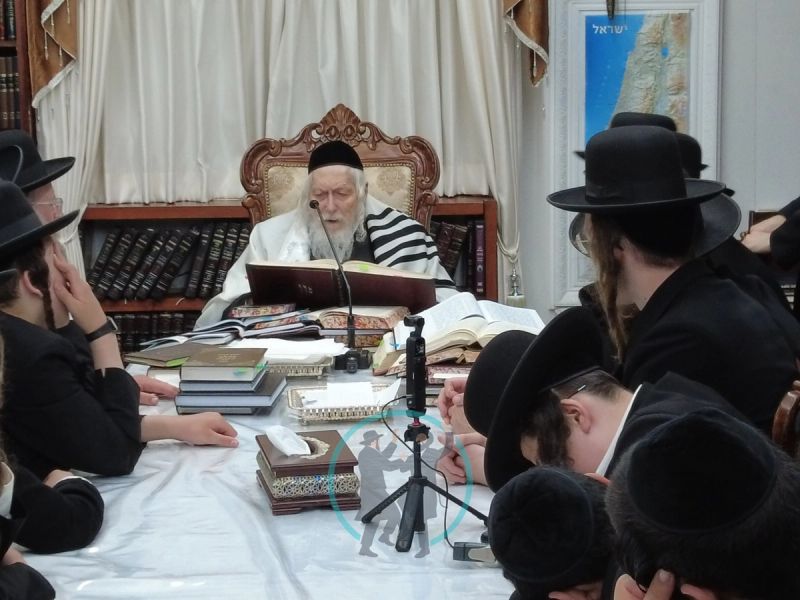
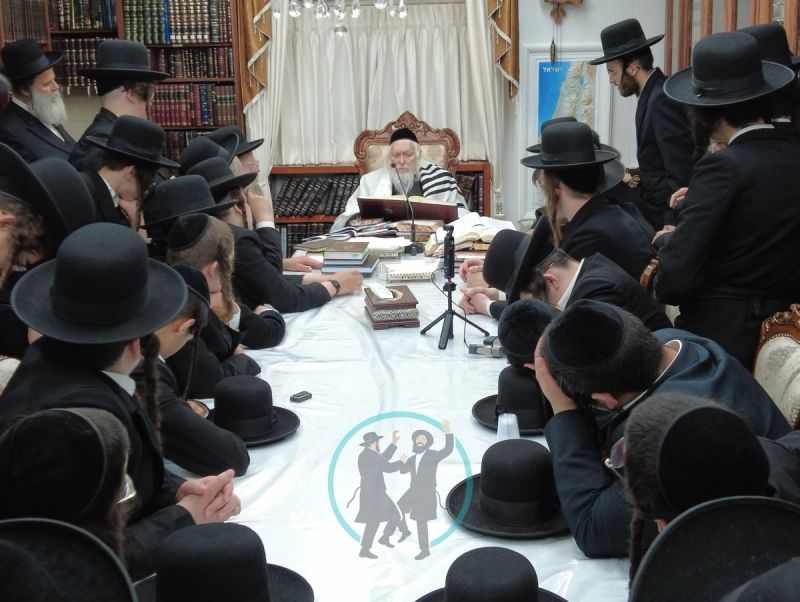
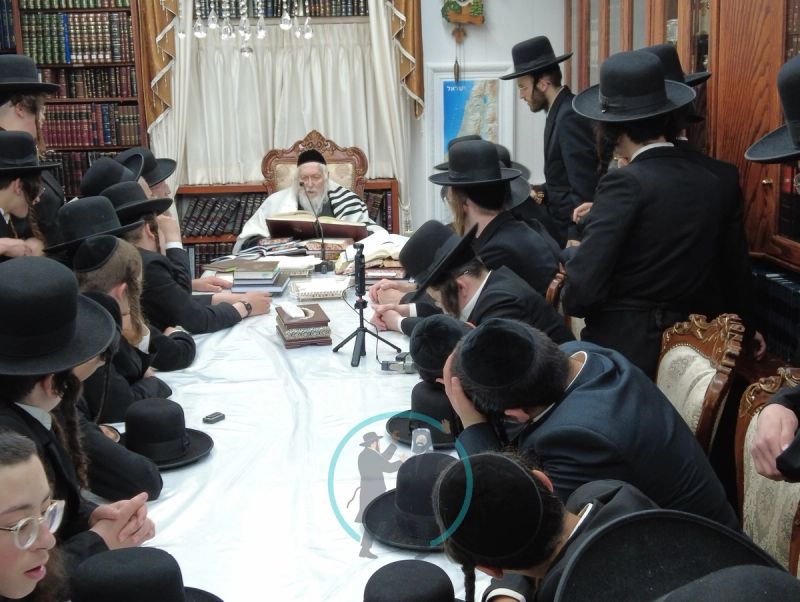
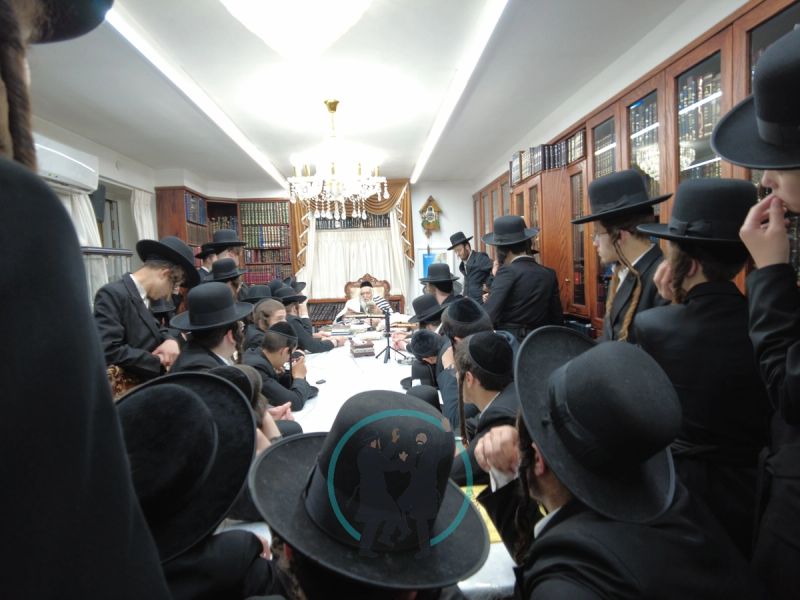
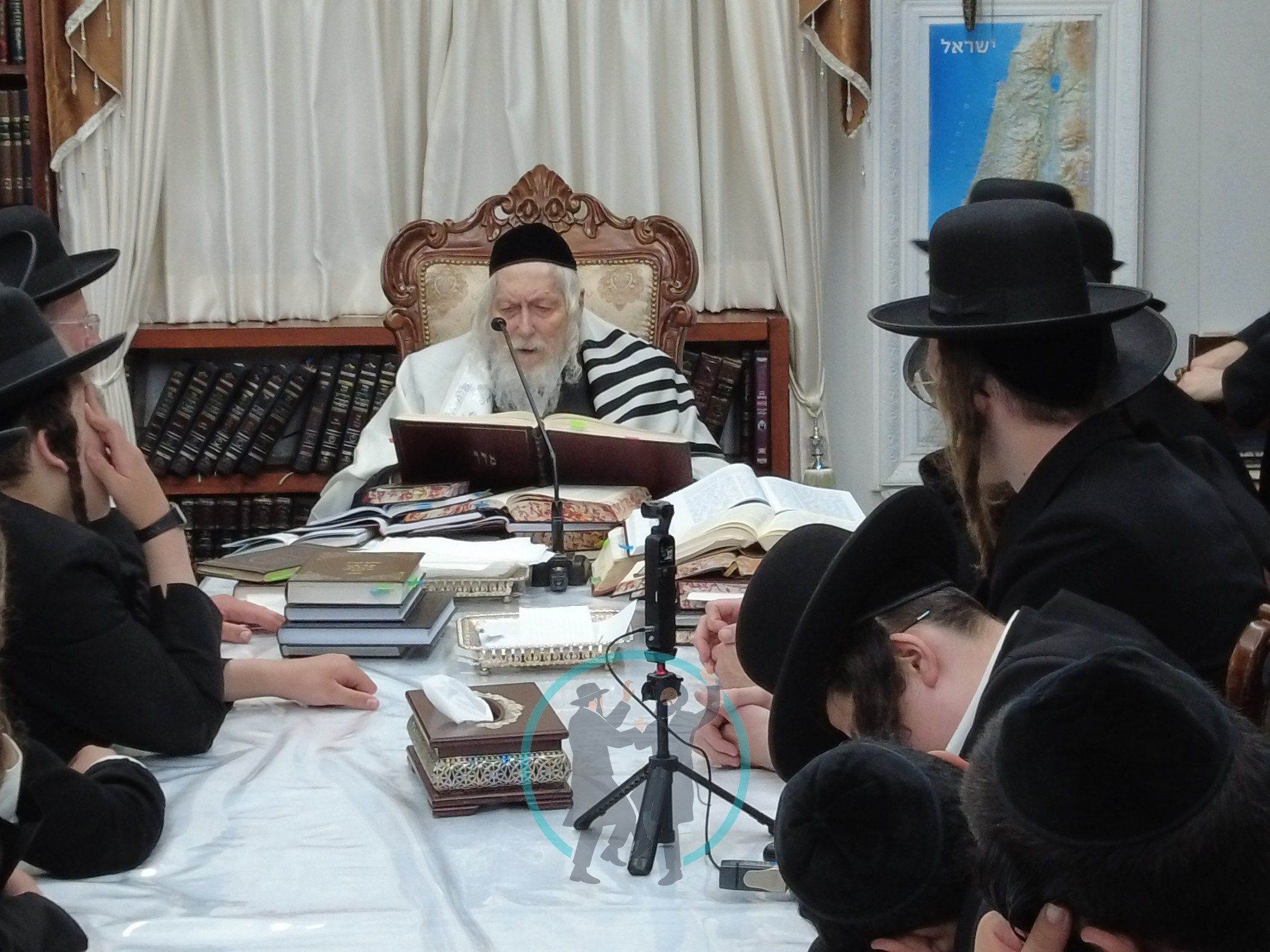
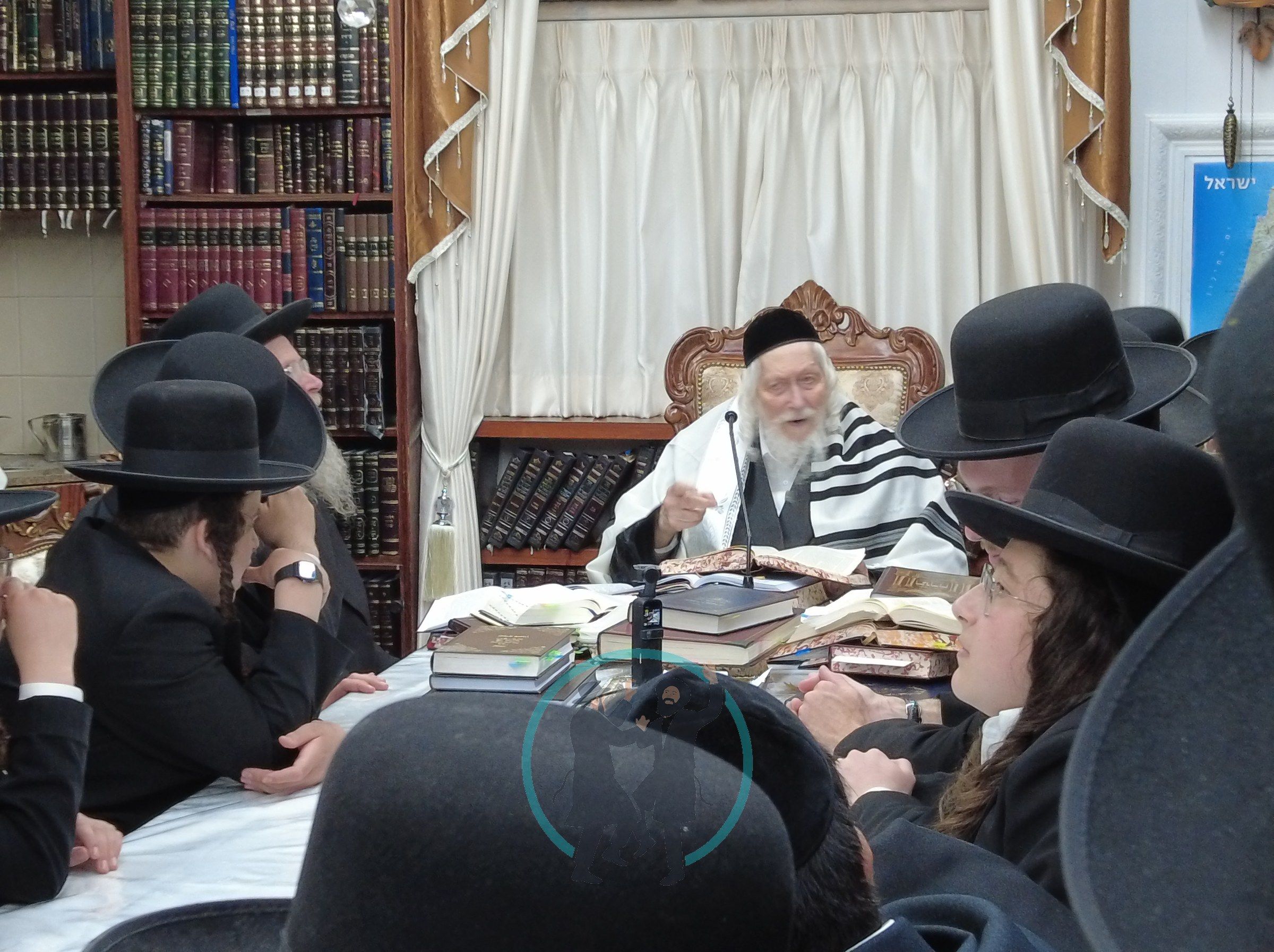
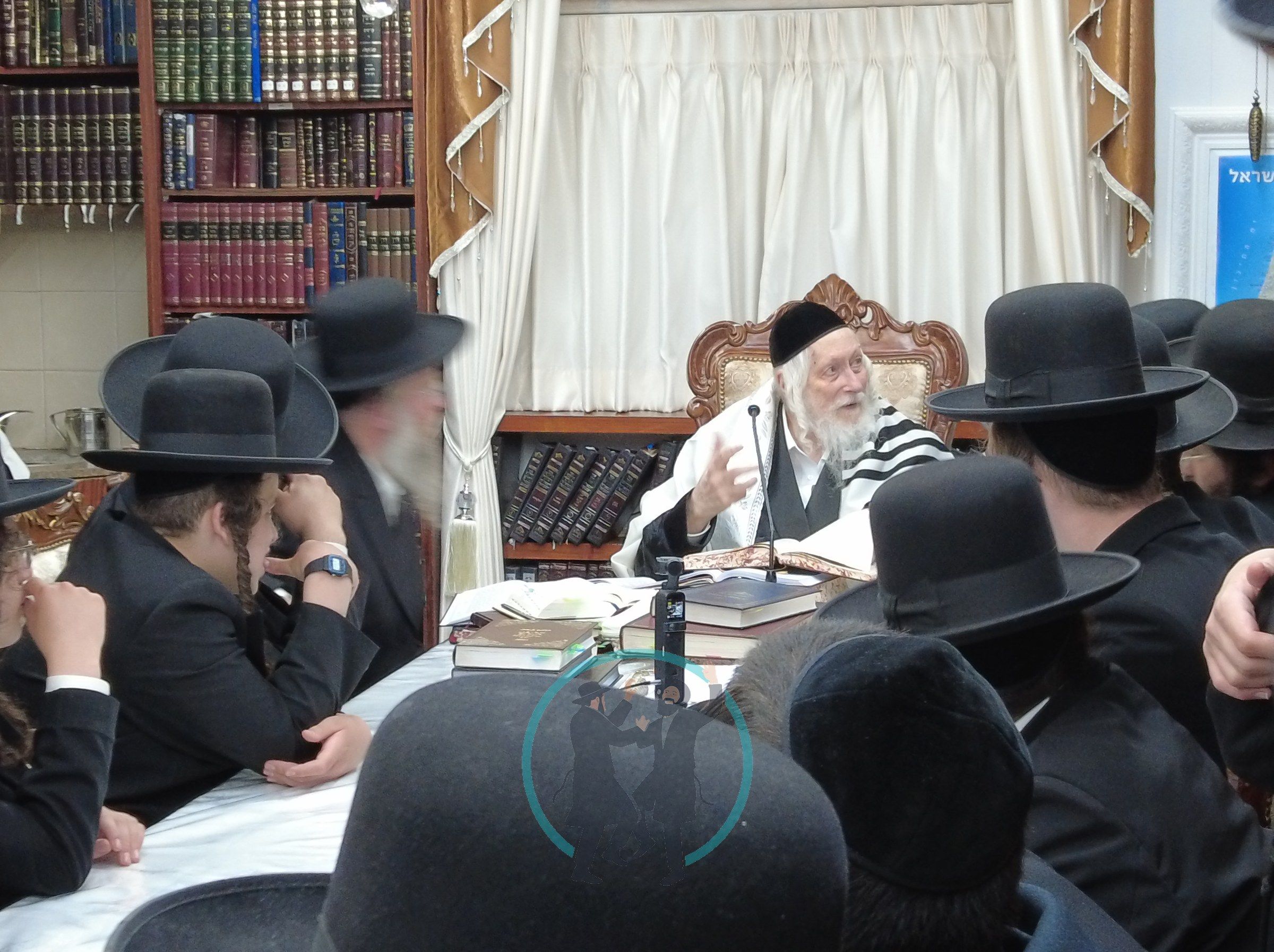
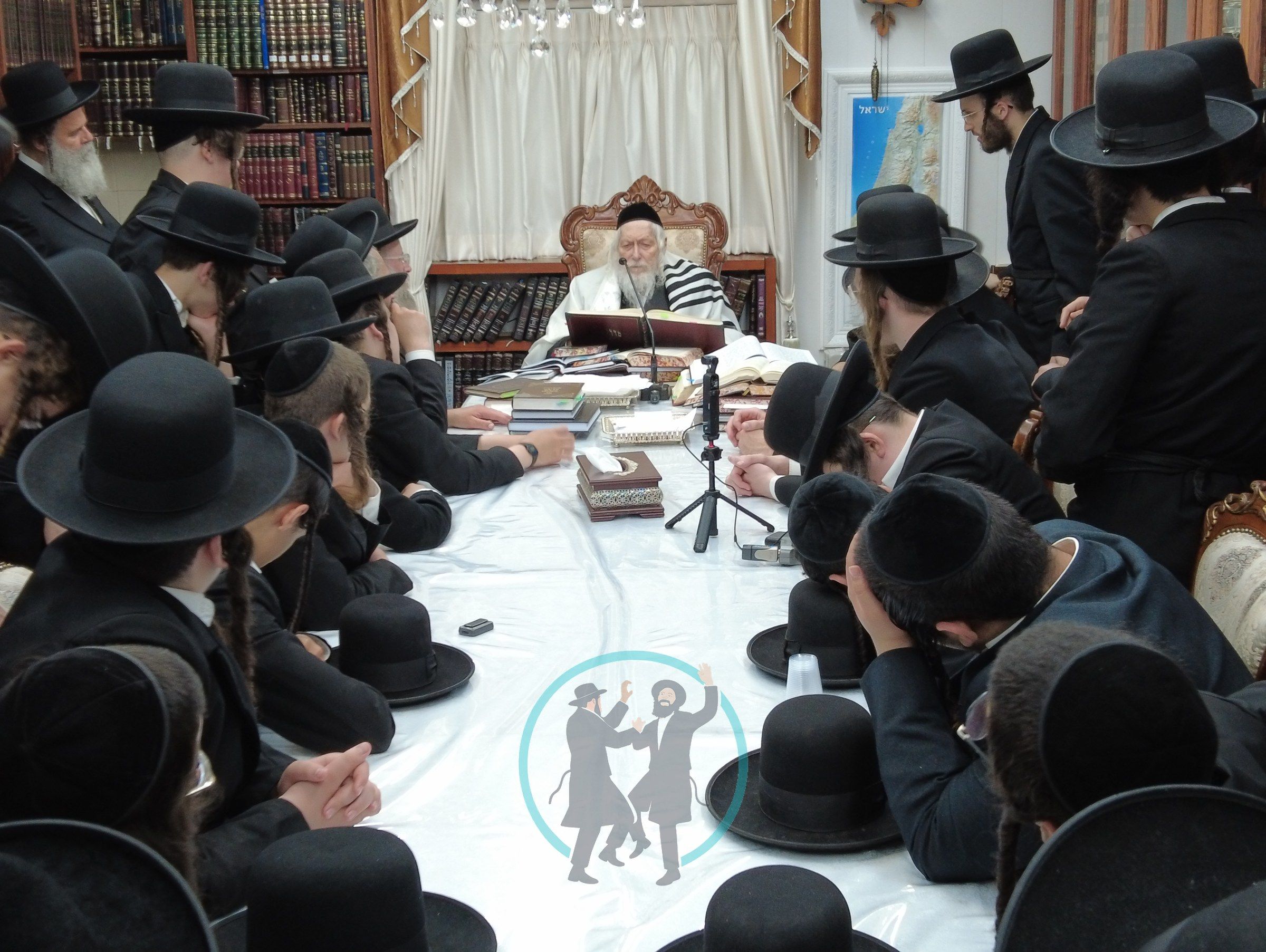
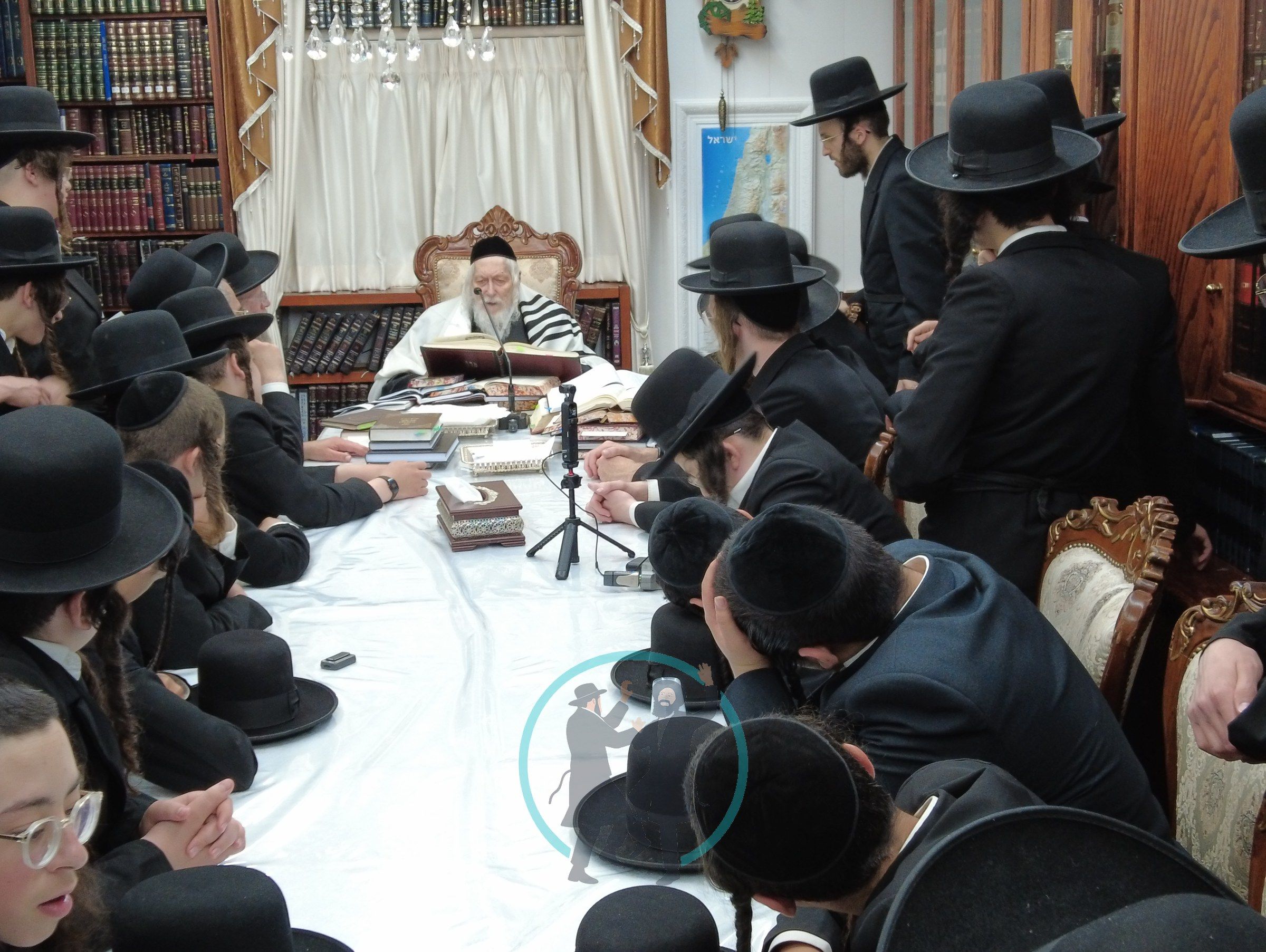
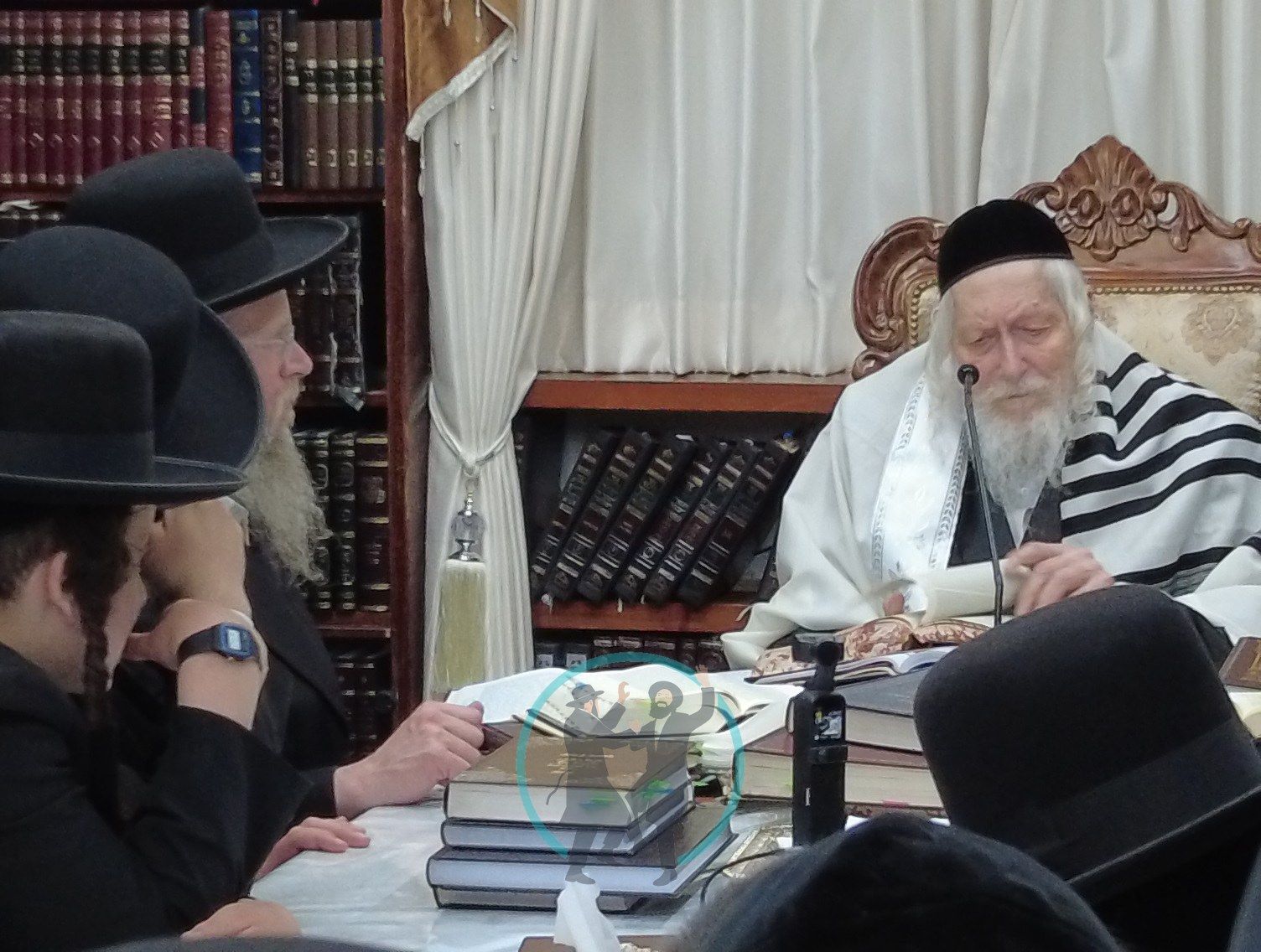
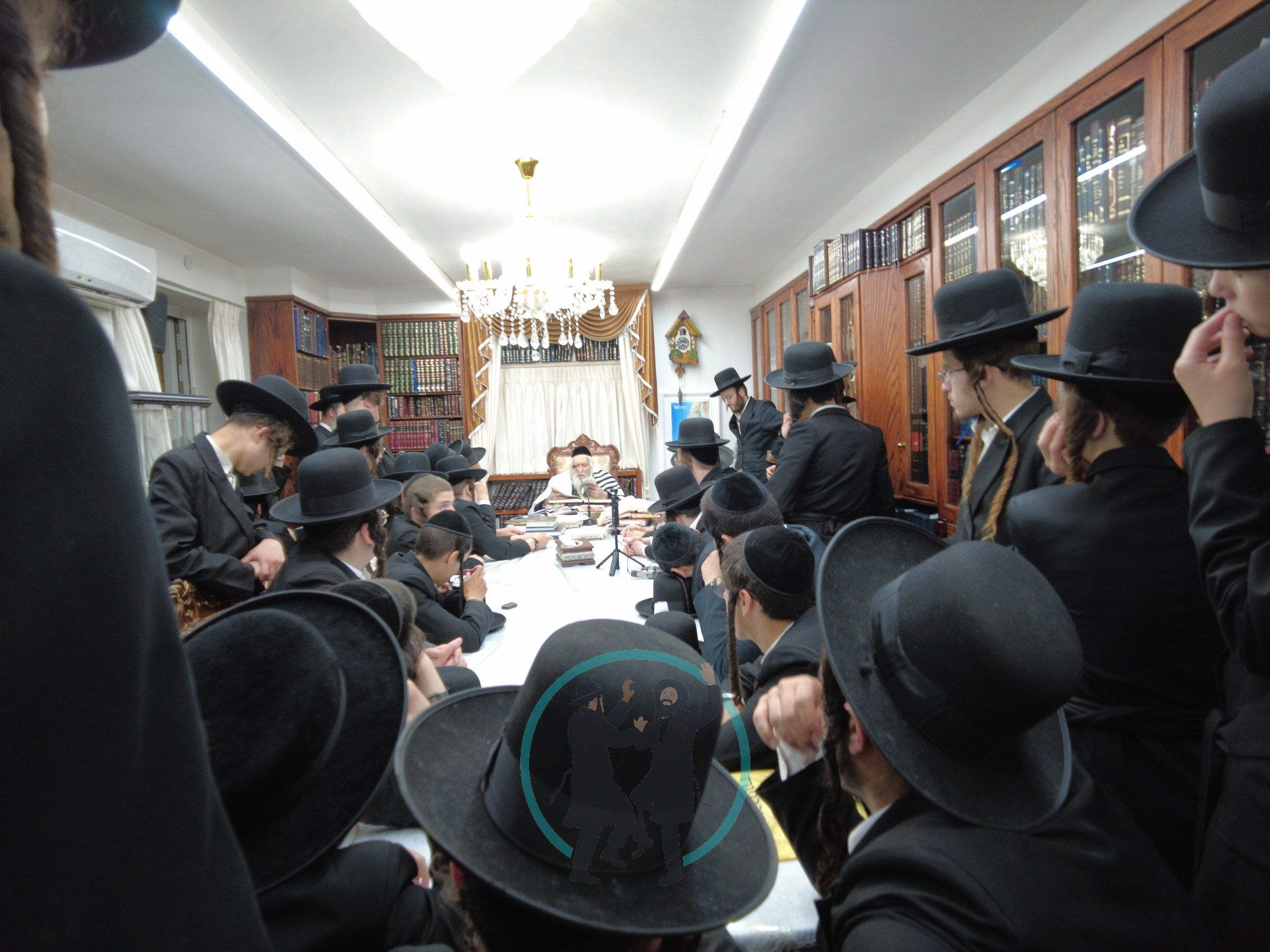
The students of the "Chochma V'Daas" Yeshiva had the merit to enter the home of Rabbi Berland shlit"a and hear words of Torah from him for a long hour. The class, as is the way of the Rav, moved swiftly from topic to topic and from world to world — but running through it like a golden thread was the love of Torah and the encouragement for the students to be diligent in their studies and in the service of prayer.
A Broad Canvas — From the Weekly Torah Portion to the End of Days
At the beginning of the class, Rabbi Berland shlit"a discussed the figures of those born to a "second wife" — Yosef the Tzaddik who was sold, and Yiftach the Gileadite who was driven from his father's house — and the words of our Sages regarding what even Moshe Rabbeinu did not initially know. From there, he moved to the claims of Korach and the generation's complaints about the Manna, and to deep topics in the Talmud and Midrashim.
Later, Rabbi Berland shlit"a wove in wondrous historical stories — about Haim Farhi, the Jew who served as vizier and finance minister and managed the Sultan's wars; and about the great miracle of Purim 5713 (1953), when Stalin died exactly on Purim, saving Russian Jewry from deportation to Siberia, as brought by Rabbi Yitzchak Zilber in his book "To Remain a Jew". Rabbi Berland shlit"a also dwelled on the recent days of war, the miracles within them, and the signs of the Geulah (Redemption) according to the words of our Sages and Pirkei DeRabbi Eliezer.
 Preparation for Prayer — "One Must Pause for an Hour Before Prayer"
One of the central foundations that Rabbi Berland shlit"a emphasized was the obligation to prepare for prayer. The Rav cited the words of the Shulchan Aruch and the Mishnah Berurah, that a person is forbidden to begin praying immediately upon arriving from worldly distractions:
"Here is the Shulchan Aruch, Mishnah Berurah in Siman 93 — it is forbidden to start praying immediately. A person arrives from his business, from commerce, from collecting debts — and this is forbidden. One must pause before prayer, Seif 1: 'He should wait one hour.' We do this for fifteen minutes, twenty minutes, sometimes ten — but one must pause for one hour before prayer."
Rabbi Eliyahu Lopian — "He Would Cry Like a Baby"
As a living example of true preparation for prayer, Rabbi Berland shlit"a described the figure of the great Mashgiach (spiritual supervisor), Rabbi Eliyahu Lopian zt"l:
"Rabbi Eliyahu Lopian — he was the greatest Mashgiach in all generations. When he would give mussar (ethical instruction), he could be heard up to two kilometers away; a voice as strong as fire. Fifteen minutes before Maariv (evening prayer), they would learn Mesillas Yesharim, or Shaarei Teshuvah, or Orchos Tzaddikim, or Pele Yoeitz — and he would literally cry like a baby. All of this is written in the Shulchan Aruch in Siman 93, that one must wait before prayer; it is impossible to start straight away."
Preparation for Prayer — "One Must Pause for an Hour Before Prayer"
One of the central foundations that Rabbi Berland shlit"a emphasized was the obligation to prepare for prayer. The Rav cited the words of the Shulchan Aruch and the Mishnah Berurah, that a person is forbidden to begin praying immediately upon arriving from worldly distractions:
"Here is the Shulchan Aruch, Mishnah Berurah in Siman 93 — it is forbidden to start praying immediately. A person arrives from his business, from commerce, from collecting debts — and this is forbidden. One must pause before prayer, Seif 1: 'He should wait one hour.' We do this for fifteen minutes, twenty minutes, sometimes ten — but one must pause for one hour before prayer."
Rabbi Eliyahu Lopian — "He Would Cry Like a Baby"
As a living example of true preparation for prayer, Rabbi Berland shlit"a described the figure of the great Mashgiach (spiritual supervisor), Rabbi Eliyahu Lopian zt"l:
"Rabbi Eliyahu Lopian — he was the greatest Mashgiach in all generations. When he would give mussar (ethical instruction), he could be heard up to two kilometers away; a voice as strong as fire. Fifteen minutes before Maariv (evening prayer), they would learn Mesillas Yesharim, or Shaarei Teshuvah, or Orchos Tzaddikim, or Pele Yoeitz — and he would literally cry like a baby. All of this is written in the Shulchan Aruch in Siman 93, that one must wait before prayer; it is impossible to start straight away."
 The Rescue of His Son, Rabbi Nachman — Details Heard for the First Time from the Rav
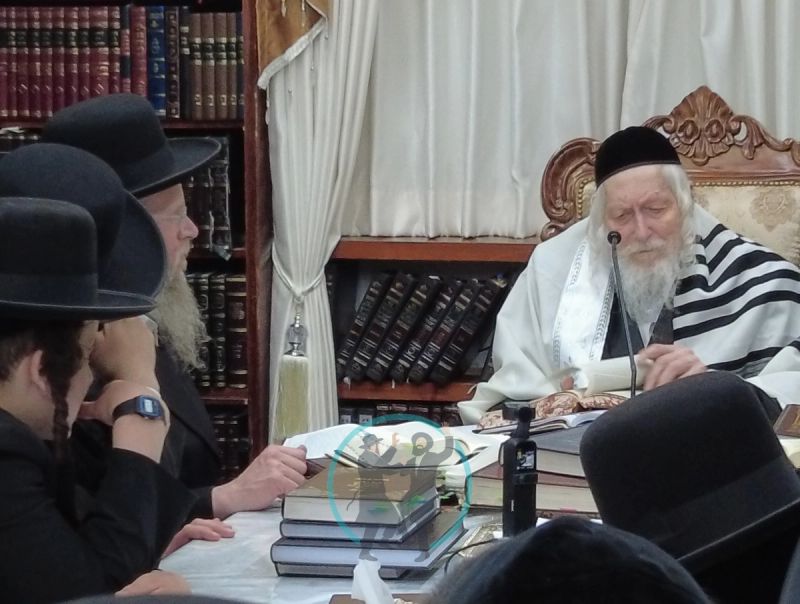
Rabbi Eliezer Berland shlit"a turned to his son, Rabbi Nachman, who sat beside him, and spoke to him and about him — and thus we merited to hear from his holy mouth the background story: how he saved his son Nachman while he was still a baby, after the doctors had already given up hope of saving him.
The baby Nachman fell from an overturned stroller and suffered a fatal blow to his head, until his entire brain filled with blood. The doctors despaired and wanted to perform a desperate surgery to open his skull — but Rabbi Berland shlit"a refused. Instead, the Rav sold his entire house and everything he owned, and with all the money, he gave an enormous Pidyon Nefesh (redemption of the soul) for his son; and he stood in continuous Hisbodedus (secluded prayer) for days and nights in Meron, without eating and without sleeping — until, by the grace of Heaven, Nachman returned to full health, to the astonishment of the doctors who had already given up hope.
The story itself is known and often told, but this time Rabbi Berland shlit"a added details that were previously unknown — offering a rare glimpse into the self-sacrifice of a father for his son.
The Tzaddik as the Atoning "Red Heifer"
Later, Rabbi Berland shlit"a explained, based on the words of our Sages at the end of "Parashas Arba'im", that the tzaddik is like a "Red Heifer" — just as the Red Heifer purifies the impure, so too the tzaddik atones for all sins and purifies Israel. He also spoke about the virtue of Kiddush Hashem (sanctification of God's Name) and about the tzaddikim who are buried having died for the sanctification of God's Name, stating that no creature can stand in their heavenly enclosure.
The Rescue of His Son, Rabbi Nachman — Details Heard for the First Time from the Rav
Rabbi Eliezer Berland shlit"a turned to his son, Rabbi Nachman, who sat beside him, and spoke to him and about him — and thus we merited to hear from his holy mouth the background story: how he saved his son Nachman while he was still a baby, after the doctors had already given up hope of saving him.
The baby Nachman fell from an overturned stroller and suffered a fatal blow to his head, until his entire brain filled with blood. The doctors despaired and wanted to perform a desperate surgery to open his skull — but Rabbi Berland shlit"a refused. Instead, the Rav sold his entire house and everything he owned, and with all the money, he gave an enormous Pidyon Nefesh (redemption of the soul) for his son; and he stood in continuous Hisbodedus (secluded prayer) for days and nights in Meron, without eating and without sleeping — until, by the grace of Heaven, Nachman returned to full health, to the astonishment of the doctors who had already given up hope.
The story itself is known and often told, but this time Rabbi Berland shlit"a added details that were previously unknown — offering a rare glimpse into the self-sacrifice of a father for his son.
The Tzaddik as the Atoning "Red Heifer"
Later, Rabbi Berland shlit"a explained, based on the words of our Sages at the end of "Parashas Arba'im", that the tzaddik is like a "Red Heifer" — just as the Red Heifer purifies the impure, so too the tzaddik atones for all sins and purifies Israel. He also spoke about the virtue of Kiddush Hashem (sanctification of God's Name) and about the tzaddikim who are buried having died for the sanctification of God's Name, stating that no creature can stand in their heavenly enclosure.
 With the Blessing of the Rav for the Yeshiva Students
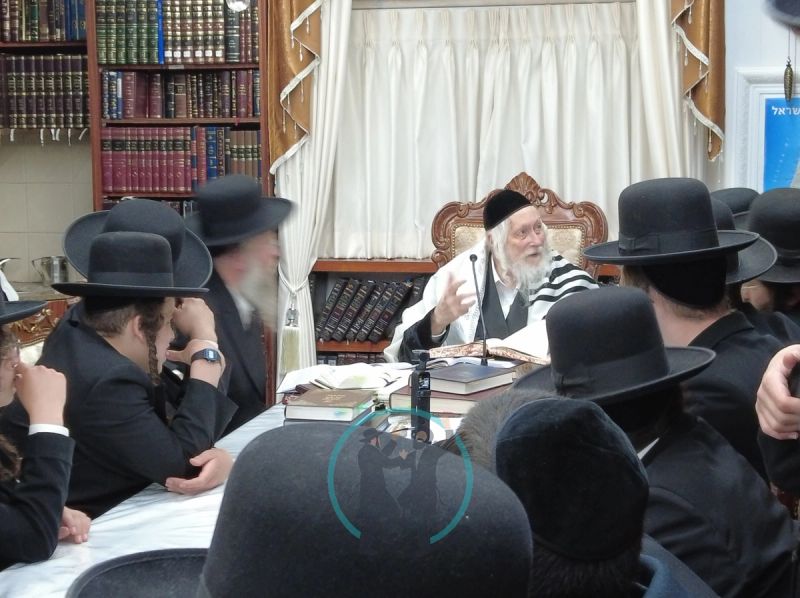
At the end of the class, Rabbi Berland shlit"a encouraged the students of the "Chochma V'Daas" Yeshiva to be diligent in their Torah study and to be meticulous in the service of prayer with true preparation. May the merit of Rabbi Berland shlit"a protect them and all of Israel.
Photo Gallery from the Class
With the Blessing of the Rav for the Yeshiva Students
At the end of the class, Rabbi Berland shlit"a encouraged the students of the "Chochma V'Daas" Yeshiva to be diligent in their Torah study and to be meticulous in the service of prayer with true preparation. May the merit of Rabbi Berland shlit"a protect them and all of Israel.
Photo Gallery from the Class
Preparation for Prayer — "One Must Pause for an Hour Before Prayer"
One of the central foundations that Rabbi Berland shlit"a emphasized was the obligation to prepare for prayer. The Rav cited the words of the Shulchan Aruch and the Mishnah Berurah, that a person is forbidden to begin praying immediately upon arriving from worldly distractions:
"Here is the Shulchan Aruch, Mishnah Berurah in Siman 93 — it is forbidden to start praying immediately. A person arrives from his business, from commerce, from collecting debts — and this is forbidden. One must pause before prayer, Seif 1: 'He should wait one hour.' We do this for fifteen minutes, twenty minutes, sometimes ten — but one must pause for one hour before prayer."
Rabbi Eliyahu Lopian — "He Would Cry Like a Baby"
As a living example of true preparation for prayer, Rabbi Berland shlit"a described the figure of the great Mashgiach (spiritual supervisor), Rabbi Eliyahu Lopian zt"l:
"Rabbi Eliyahu Lopian — he was the greatest Mashgiach in all generations. When he would give mussar (ethical instruction), he could be heard up to two kilometers away; a voice as strong as fire. Fifteen minutes before Maariv (evening prayer), they would learn Mesillas Yesharim, or Shaarei Teshuvah, or Orchos Tzaddikim, or Pele Yoeitz — and he would literally cry like a baby. All of this is written in the Shulchan Aruch in Siman 93, that one must wait before prayer; it is impossible to start straight away."
The Rescue of His Son, Rabbi Nachman — Details Heard for the First Time from the Rav
Rabbi Eliezer Berland shlit"a turned to his son, Rabbi Nachman, who sat beside him, and spoke to him and about him — and thus we merited to hear from his holy mouth the background story: how he saved his son Nachman while he was still a baby, after the doctors had already given up hope of saving him.
The baby Nachman fell from an overturned stroller and suffered a fatal blow to his head, until his entire brain filled with blood. The doctors despaired and wanted to perform a desperate surgery to open his skull — but Rabbi Berland shlit"a refused. Instead, the Rav sold his entire house and everything he owned, and with all the money, he gave an enormous Pidyon Nefesh (redemption of the soul) for his son; and he stood in continuous Hisbodedus (secluded prayer) for days and nights in Meron, without eating and without sleeping — until, by the grace of Heaven, Nachman returned to full health, to the astonishment of the doctors who had already given up hope.
The story itself is known and often told, but this time Rabbi Berland shlit"a added details that were previously unknown — offering a rare glimpse into the self-sacrifice of a father for his son.
The Tzaddik as the Atoning "Red Heifer"
Later, Rabbi Berland shlit"a explained, based on the words of our Sages at the end of "Parashas Arba'im", that the tzaddik is like a "Red Heifer" — just as the Red Heifer purifies the impure, so too the tzaddik atones for all sins and purifies Israel. He also spoke about the virtue of Kiddush Hashem (sanctification of God's Name) and about the tzaddikim who are buried having died for the sanctification of God's Name, stating that no creature can stand in their heavenly enclosure.
With the Blessing of the Rav for the Yeshiva Students
At the end of the class, Rabbi Berland shlit"a encouraged the students of the "Chochma V'Daas" Yeshiva to be diligent in their Torah study and to be meticulous in the service of prayer with true preparation. May the merit of Rabbi Berland shlit"a protect them and all of Israel.
Photo Gallery from the Class
Subscribe to Our Newsletter
Receive Torah articles and inspiration directly in your inbox