Daniel in the Lions' Den and the Hundred Tears of Sisera's Mother: A Class in the Home of Rabbi Berland for a Group from Kiryat Malachi
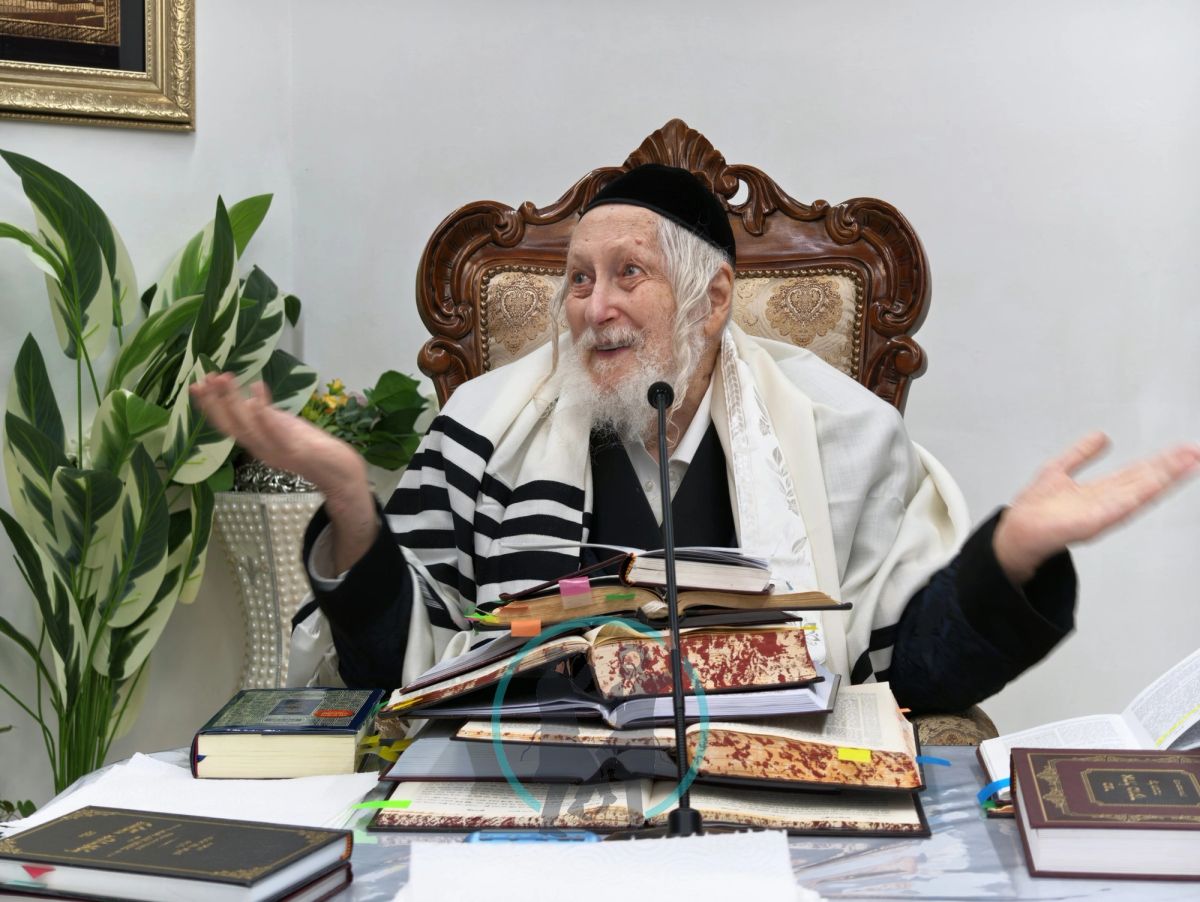
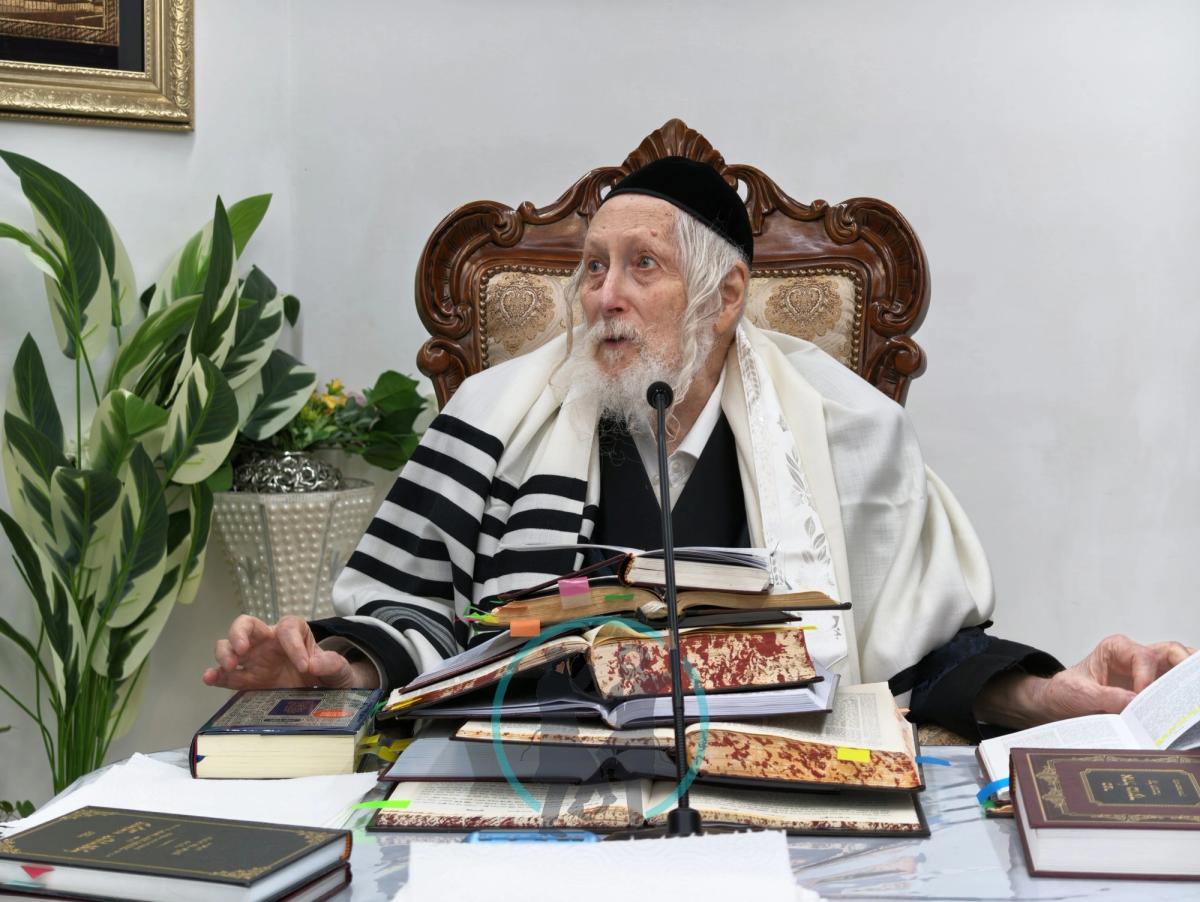
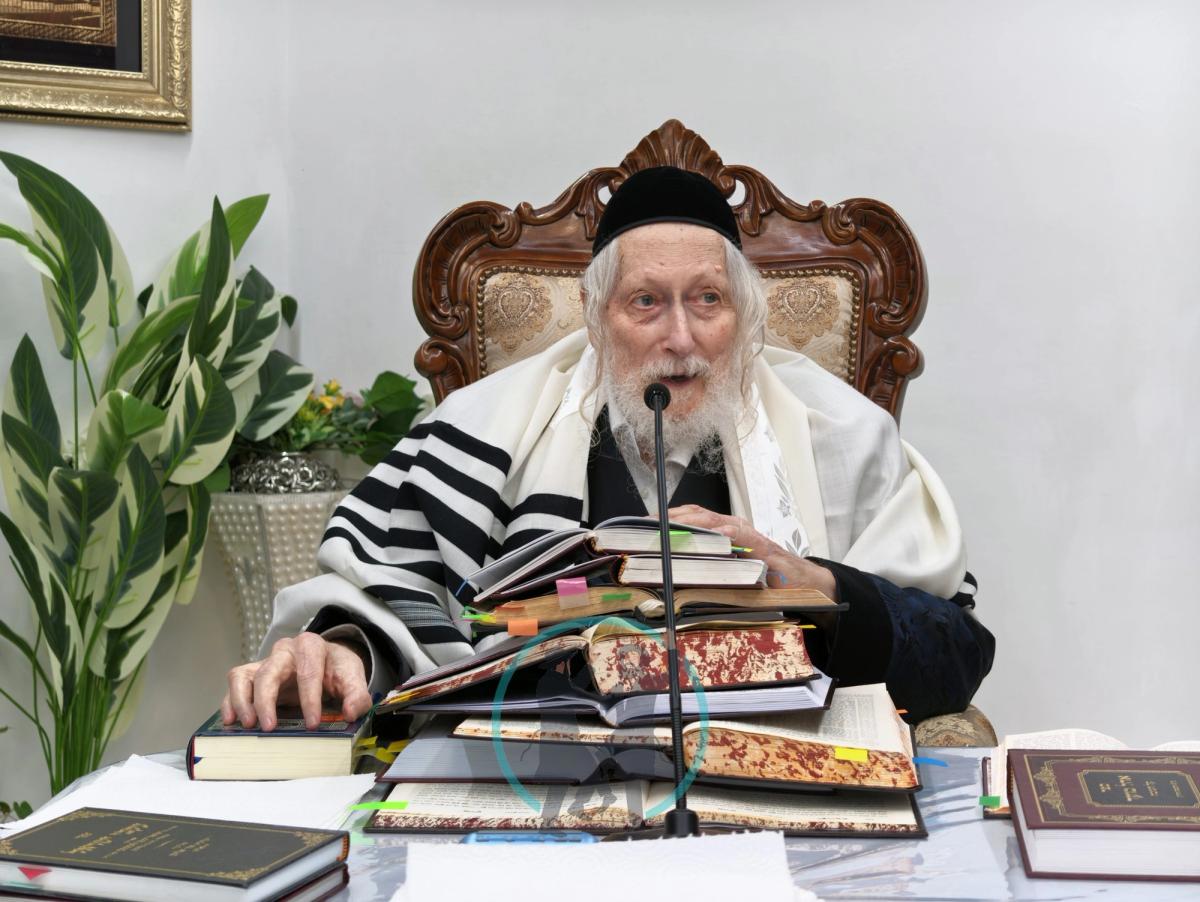
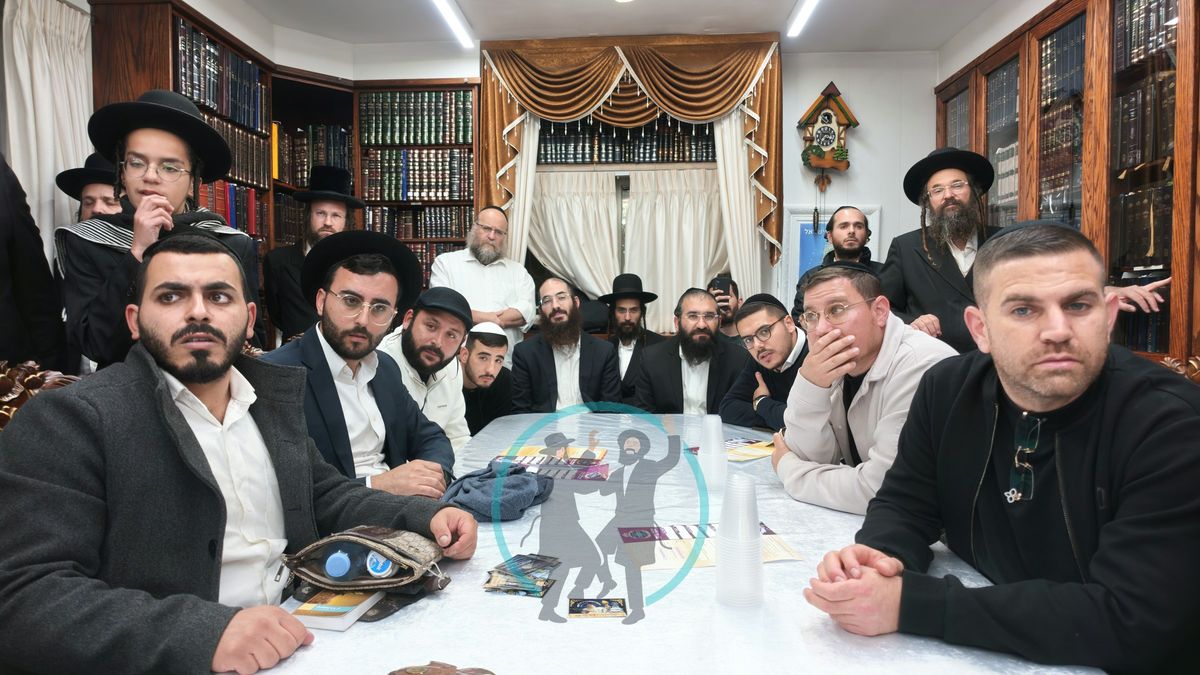
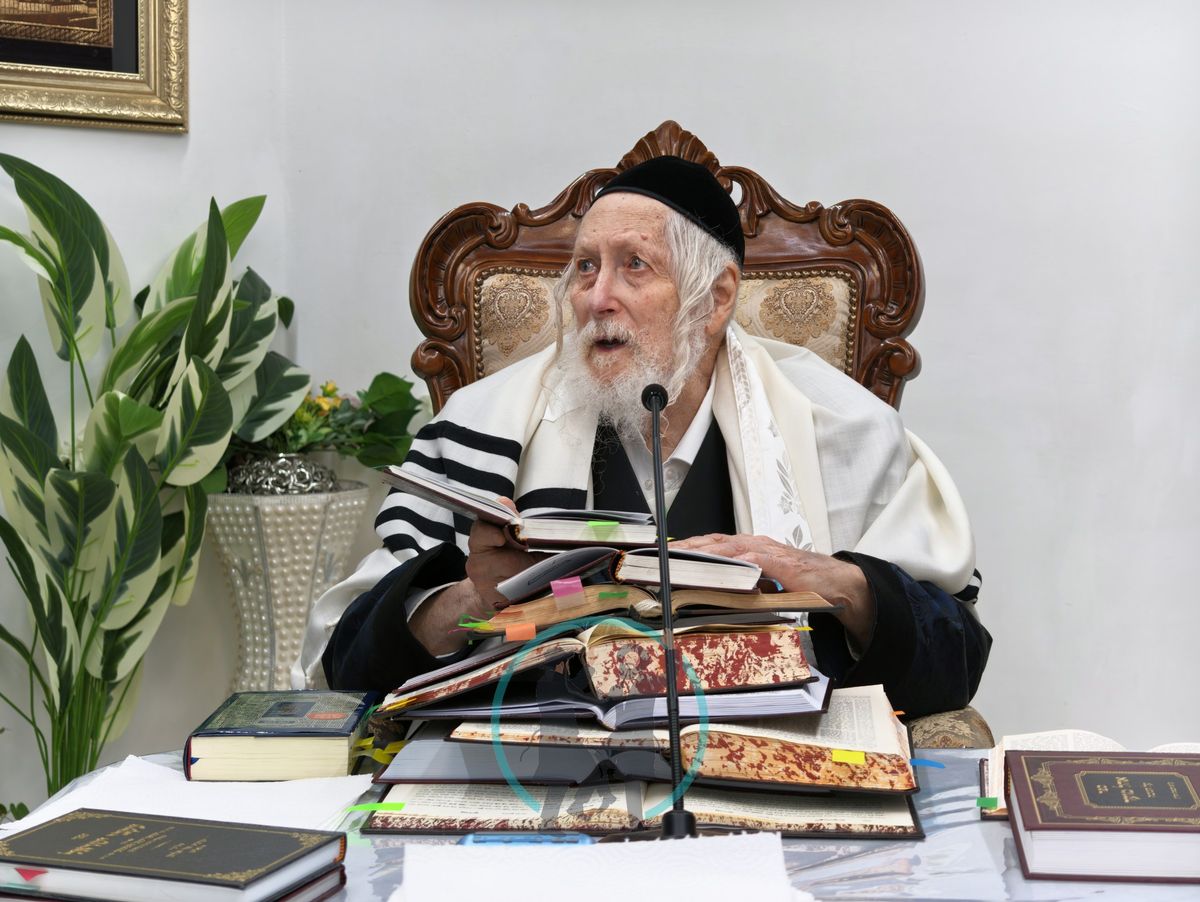
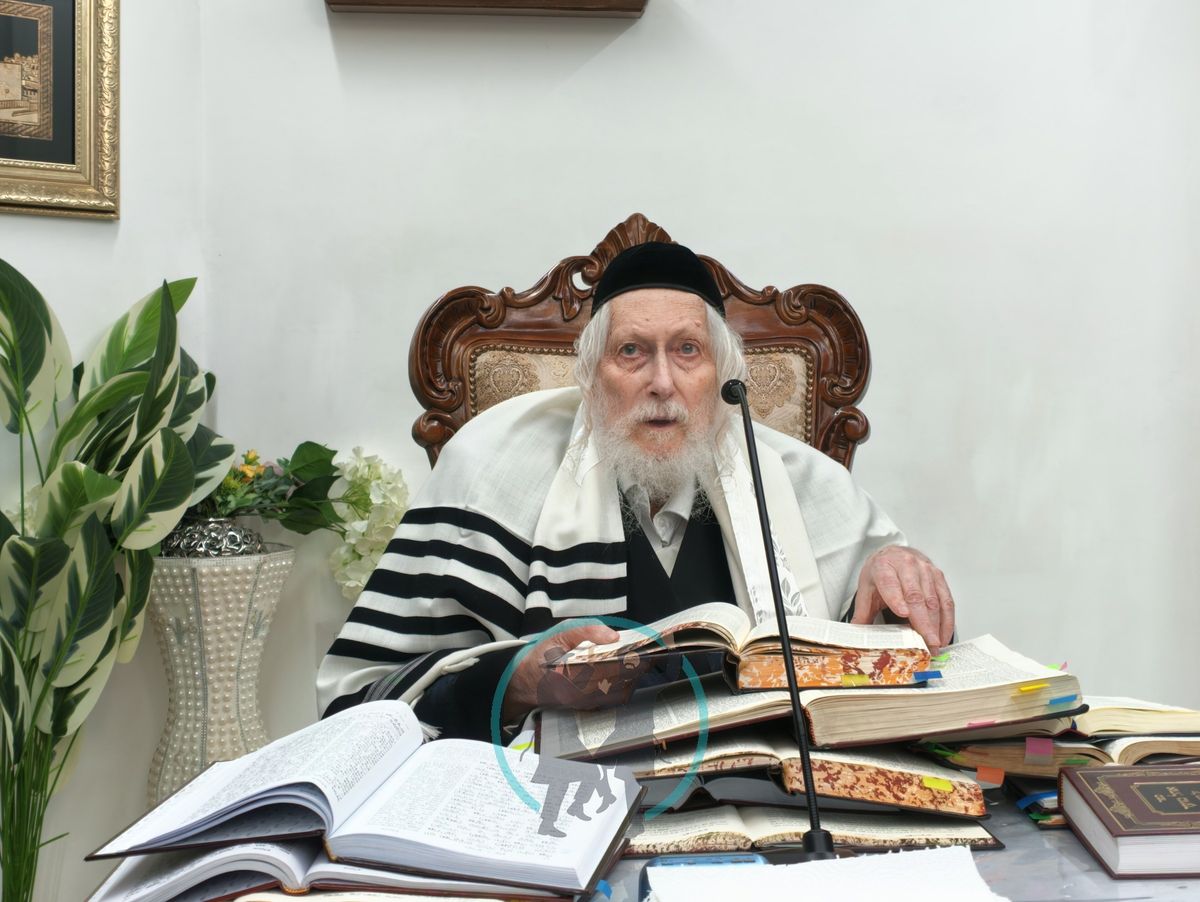
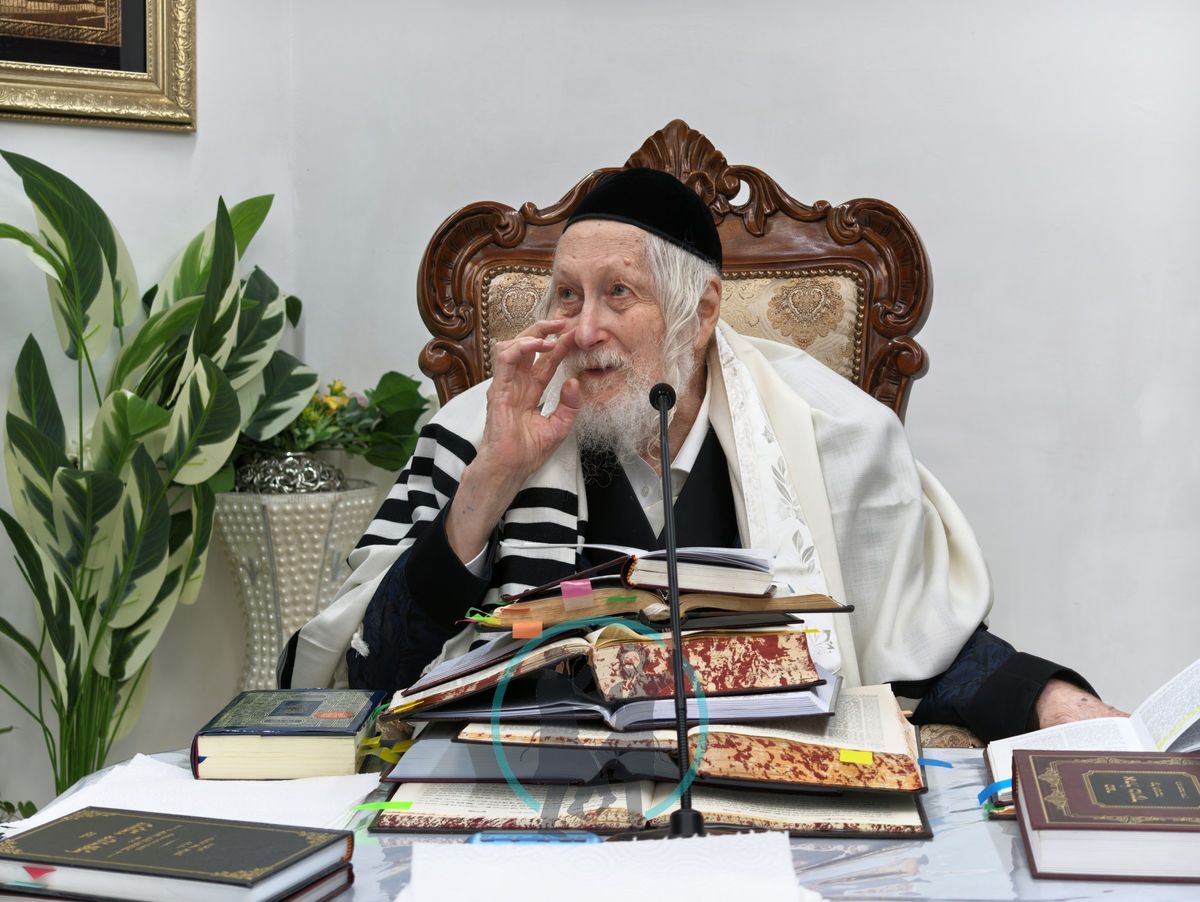
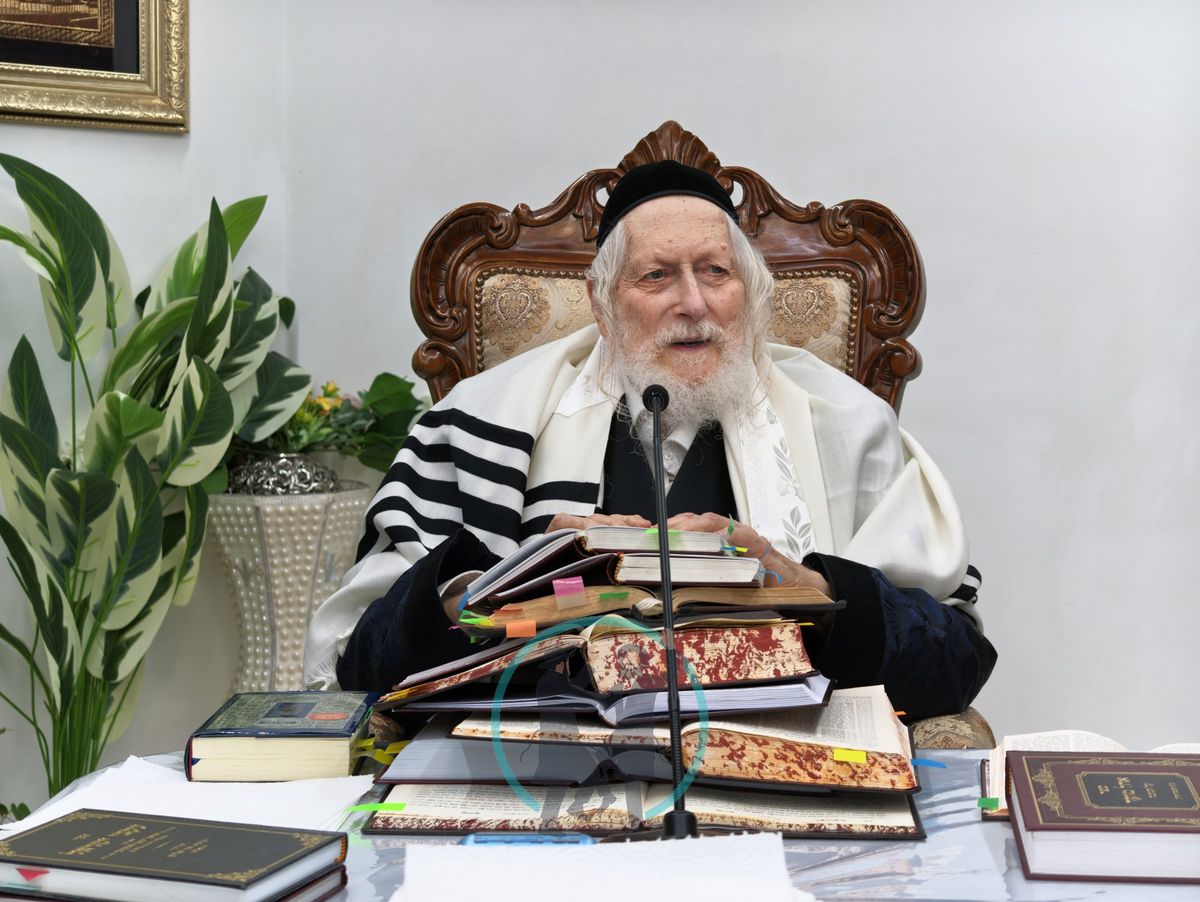
On Monday evening, the night of the 14th of Kislev 5785, Morinu HaRav Eliezer Berland shlit"a delivered a class in his home to a group that arrived from Kiryat Malachi. The Rav opened with the secret cave that only Moshe Rabbeinu and Eliyahu HaNavi merited to enter, moved on to Daniel who rode on the lions all night, and from there to the tribe of Zevulun who went to war with Devorah "without a heart," and to the hundred tears of Sisera's mother. And the conclusion of the Rav: Whoever trusts in Hashem has nothing to fear.
"The fast is the visa"
"There is a cave, and whoever enters this cave must fast for forty days and forty nights," the Rav began. "A cave that only Moshe and Eliyahu entered." In order to enter, the Rav described with a smile, one needs a visa, "because the fast is the visa for this." Moshe submitted a request and they approved it for him, and after him Eliyahu HaNavi, and they approved it for him too. "Only the two of them managed to enter this cave."
In this cave, the Rav explained, Hashem concealed the Hidden Light, and there one serves Hashem face to face. This is the cleft of the rock, about which Hashem said to Moshe: "And I will put you in the cleft of the rock." And there is a way to reach this light even today:
"There is a Hidden Light, and only in Uman is there such a Torah. Whoever arrives in Uman merits the Hidden Light."
"And I will make you into a great nation"
After the sin of the Golden Calf, the Rav described, Hashem said to Moshe: "Leave Me alone, and My wrath will burn against them and I will consume them, and I will make you into a great nation." "In the midst of the Giving of the Torah they make a calf?" the Rav asked. "Forty days have not even passed, and you have already made a calf?"
But Moshe Rabbeinu only had two sons, Gershom and Eliezer. "Whoever wants to come here to get a visa needs six children," the Rav said with a smile to the audience. And nevertheless, the promise was fulfilled: from Rechavia, the son of Eliezer, came forth more than six hundred thousand descendants. "Rechavia is the actual grandson," the Rav explained, and these children of Moshe crossed the Sambatyon River. "Whoever has never sinned can cross the Sambatyon. And now they are waiting for Mashiach, for him to gather them."
"Why should they eat me?"
The Rav dedicated the majority of the class to Daniel in the lions' den. "Because Daniel knew the secret of the lion," the Rav said, and brought from the Midrash that Daniel was not only saved, but "he simply rode on them, played with them." "Daniel was altogether sent to take a stroll in the zoo," the Rav smiled, "and he walked around among the lions, rode on them."
"He sits on the lions and plays with them all night," the Rav described. "I ride on them, play with them, jump with them, dance with them." And when the king came in the morning and asked him if the lions had not yet eaten him, Daniel answered:
"Why should they eat me? Lions are a very friendly animal, they are called pets."
"A human being is more dangerous than lions"
So why did the king place a stone over the mouth of the pit? The Rav explained: "A human being is more dangerous than lions. A human being has free will, a lion does not have free will." "Hashem gave power to man, the power of free will, that he can destroy the entire world." And therefore, the Rav said, the king prayed that a stone would come: not because of the lions, but because of human beings.
"With a lion, you can get along," the Rav said, "but you must be certain that there is only Hashem, there is none besides Him." And he told a story about a lion that escaped from its cage in the zoo during the days of the holy Ohr HaChaim, and was found sitting quietly "listening to the Zohar"; about a tzaddik in Babylon to whom a lion came on Motzaei Shabbos (Saturday night) and told him, "Ride on me"; and about Bar Kochba, who was thrown into a lions' den in a stadium in front of a hundred thousand people, and the lion lay down next to him, because it was a lion from which Bar Kochba had once removed a thorn, "so he remembered him."
"And if a person is certain in Hashem, may He be blessed, that He will perform a miracle for him, He will save him even from lions. He can enter a lions' den, he does not need to be afraid."
"Take your wife, take your child"
From the story of Daniel, the Rav moved on to give advice to the fathers sitting before him. "Wherever you go, you take your wife," he said. "You come to a class, you come to Jerusalem, you come to the Kotel (Western Wall), you go to the zoo, take your wife." And also the children:
"You must always make sure that the child has fun. If he doesn't have fun, he becomes secular."
"Make attractions for him, take him on visits, to all kinds of places," the Rav said. "Everywhere you go, take your child with you."
Four Hundred Years of Yishmael
Last week, the Rav spoke about Esav, Yishmael, and their plan against Yitzchak, and this time he brought from the Zohar that the ministering angel of Yishmael asked for dominion in the merit of circumcision, and received four hundred years. "Yishmael, they do not know pri'ah (the uncovering of the corona during circumcision)," the Rav said, "that is not considered circumcision at all." During those years, he recounted, Suleiman the Magnificent built the walls of Jerusalem, as well as the first structure over Kever Rachel (Rachel's Tomb), four pillars and a dome, "until Moshe Montefiore came and made two rooms there." And at the end of the four hundred years, Allenby entered Jerusalem on the eve of Chanukah. "Now it is the eve of Chanukah, in another ten days," the Rav remarked.
"The Tzaddik Says Go, We Go"
From there, the Rav moved to the Song of Devorah, and to the tribe of Zevulun who went to war against Sisera "without a double heart." "What does it mean 'without a heart'?" the Rav asked, and brought from the Midrash that whoever goes out to war without proper intention "will ultimately fall in battle." Rather, he explained, "they do not pay attention [to their own thoughts], because Devorah said to go, so they go, they don't think twice."
"We Don't Need a Heart, the Tzaddik Says Go, We Go"
"Whoever performs mitzvot doesn't need any heart," the Rav said. "He can be in a lion's den, he can fight with Sisera, fight with the King of Chatzor."
The Hundred Tears of Sisera's Mother
And at the end of the shiur (Torah class), the Rav reached the verse, "Through the window she looked forth, and wailed, the mother of Sisera." "What is a window?" the Rav asked. According to his words, the window of Sisera's mother was sorcery, "a screen on the wall," through which she saw everything that happened in the battle, "like a video." She saw Yael taking the tent peg, and tried with all her might to reverse what was about to happen. "She didn't succeed in reversing it. With all her power she didn't succeed, so she shed a hundred tears."
"Therefore, we need to blow a hundred blasts [of the shofar]," the Rav explained, as the Tosafot bring in Tractate Rosh Hashanah: "Thirty, thirty, thirty, and another ten, to nullify the cries of the mother."
"There is No Fear, Not from Sisera, Not from Lions"
And thus the Rav concluded the shiur: "If someone is thrown into a lion's den, he can play with them all night until the morning."
Subscribe to Our Newsletter
Receive Torah articles and inspiration directly in your inbox