
For the Yahrzeit Day — Rabbi Elimelech of Lizhensk, the “Noam Elimelech”
21 Adar 5547 (1787)
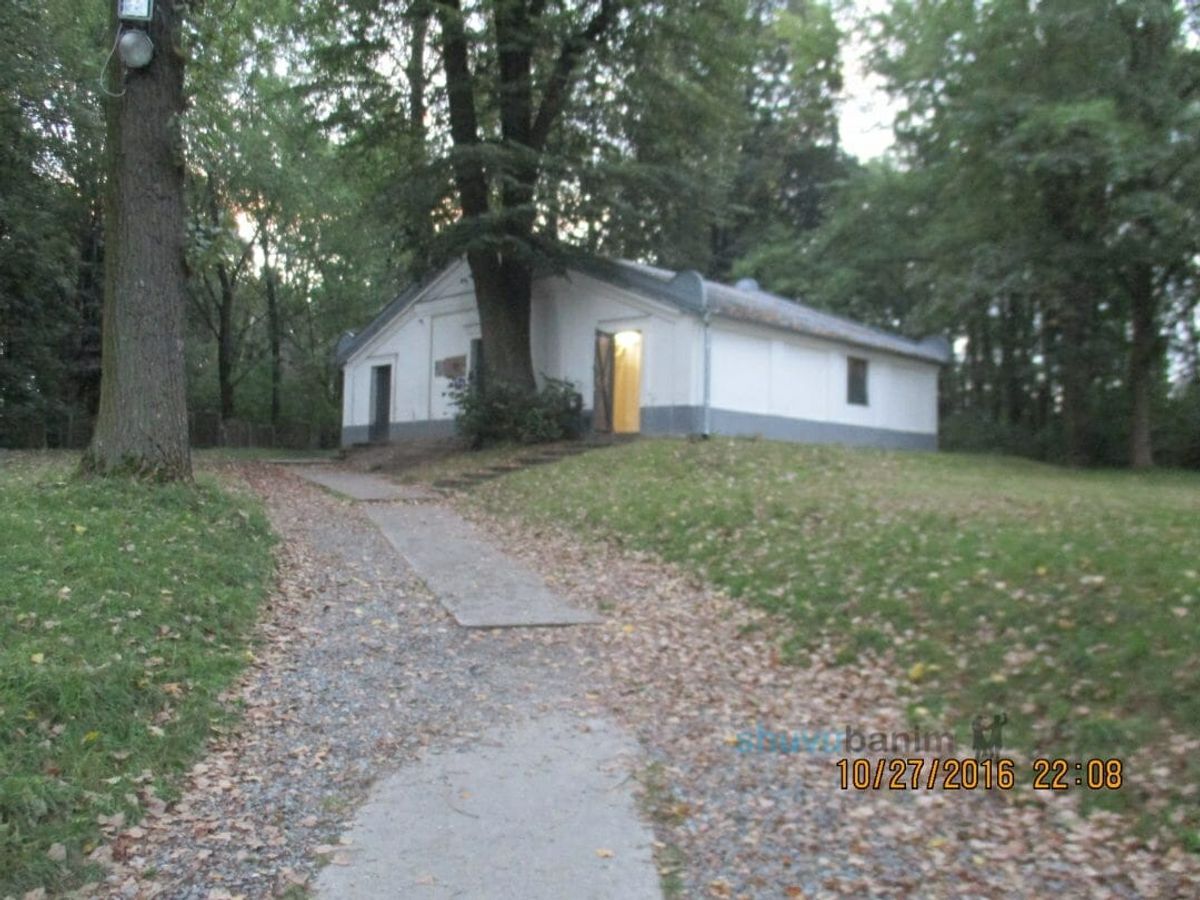
Words heard from our teacher Rabbi Levi Yitzchak Bender zt"l regarding Rabbi Elimelech of Lizhensk ■ The greatness of his perception ■ The destruction of his holy gravesite during the Holocaust
The Blind Beggar
It is accepted among Anash (the members of the Breslov community) that one of the beggars mentioned in the holy book 'Sipurei Ma'asiyot' (Tales of the Wise and the Simple) by our holy Rebbe, Rebbe Nachman of Breslov, in the 13th tale – of the seven beggars, in the story of the blind beggar, is Rabbi Elimelech of Lizhensk, who, as is known, had an extraordinary memory and remembered striking his mother while he was nursing from her, and even performed teshuvah (repentance) for this. (Siach Sarfei Kodesh, Part 4, 125)
His Greatness and His Service
When the Chozeh of Lublin was young, he saw Rabbi Zusha of Anipoli. Rabbi Zusha looked at him for a long time and then said to him: "I have given you the nefesh and the ruach; if you desire the neshamah as well, go to my brother, Rabbi Elimelech." (Ibid., Part 5, 507)
Our teacher Rabbi Levi Yitzchak Bender related in the name of Rabbi Elchanan Spector that the Chozeh of Lublin expressed regarding his teacher, the holy Rabbi Elimelech of Lizhensk, that he is the Rebbe of the entire world. (Ibid., Part 5, 506)
Rabbi Elimelech of Lizhensk ate his bread for six years while it was soaked in his tears. (Ibid., Part 3, 734)
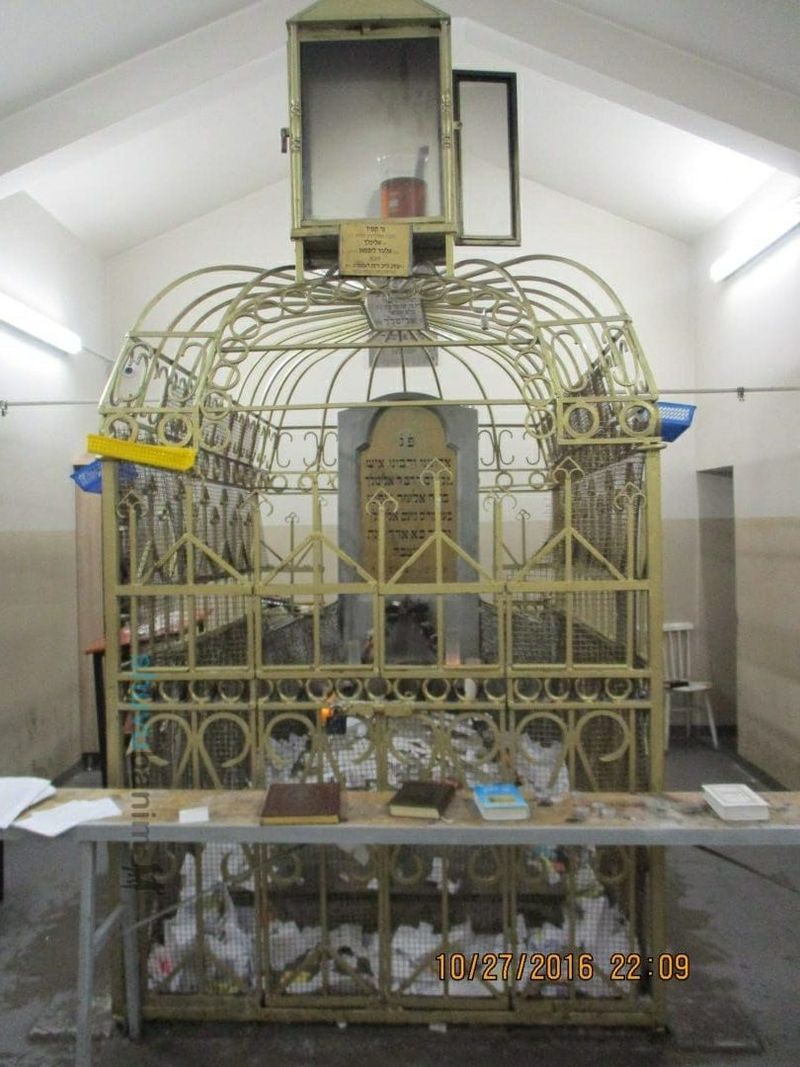
His Teachings
The Noam Elimelech explained the difference between Mashiach and other tzaddikim: Mashiach is 'like a child weaned from his mother'; Mashiach will begin his service every day from nothing, like a small child – without any accounting of the past at all – and he will serve Hashem with the ultimate level of perception and stature, and he will add to his service beyond all the previous days that he served Hashem. This is not the case for other tzaddikim, who serve Hashem each day by adding to what they had already attained in previous days. (Ibid., Part 6, 542)
The Destruction of His Gravesite During the Holocaust
Our teacher Rabbi Levi Yitzchak related that when he was in Germany after the Holocaust, he met a young man born in Lizhensk, and the young man told him that before the Nazis (may their names be blotted out) entered Lizhensk, many, many of the Jews of Lizhensk went and prostrated themselves at the gravesite of the Noam Elimelech. The next day, the Nazis arrived in the city, and the gentile residents told them that the Jews had gone yesterday to the cemetery to the gravesite of Rabbi Elimelech, and surely they had hidden their treasures and money there. The Nazis went and opened the holy gravesite of the Noam Elimelech, but of course, they found nothing.
When that young man learned of the desecration of his gravesite by the Nazis, he went to the Rabbi of the city who was hiding in a place of concealment and told him about it. The Rabbi of the city told him that if he would go and cover the holy gravesite and arrange it properly, he promised him that he would be saved and no harm would befall him. Indeed, the young man went at the risk of his life and arranged the gravesite of the Noam Elimelech properly, and the young man told Rabbi Levi Yitzchak how he was saved during the Holocaust by literal open miracles, just as the Rabbi of the city of Lizhensk had promised. (Ibid., Part 5, 375)
Subscribe to Our Newsletter
Receive Torah articles and inspiration directly in your inbox