The Idra Zuta – The Secret of the Rashbi's Passing and the Reason for Joy on Lag BaOmer
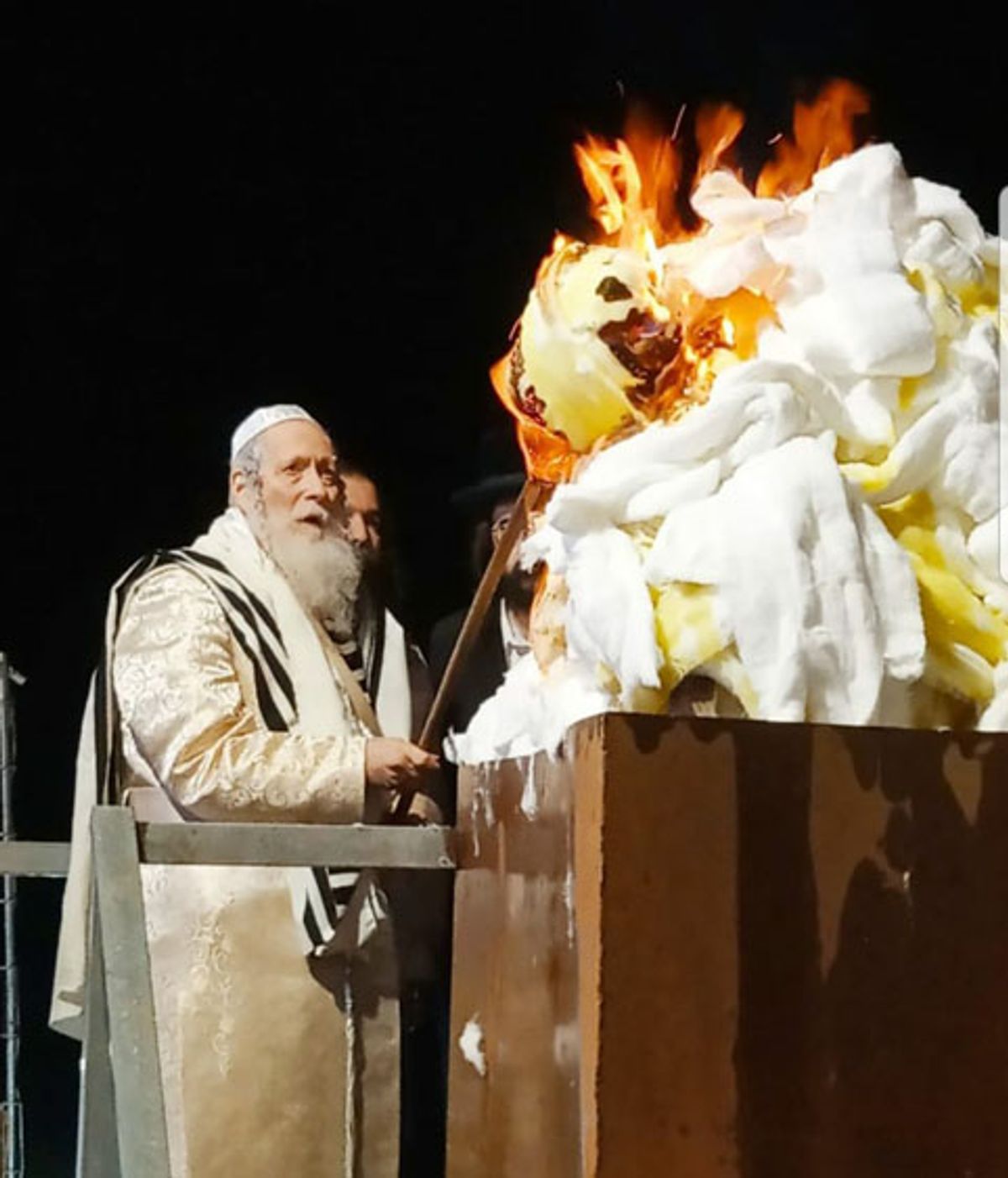
Anyone who examines the customs of Israel on Lag BaOmer initially stands in wonder: this is the day of the passing of the greatest of the tannaim of the secrets of Torah, the pillar of hidden wisdom, Rabbi Shimon bar Yochai. And yet – we celebrate. We sing. We dance. We light massive bonfires by the light of the moon. We distribute meat, wine, and songs to tens of thousands. How does a day of passing become a day of joy?
The answer lies in one ancient and holy discourse in the Zohar – the Idra Zuta.
"Idra" – The Place of Gathering
The word "Idra" in Aramaic means a wide space, a place where people gather. In the Holy Zohar there are three great "Idrot", three gatherings in which supernal secrets were revealed that were never revealed before or since:
- Idra Kadma'ah – The First Idra, in Parashat Bereishit.
- Idra Rabba – The Great Idra, in Parashat Nasso.
- Idra Zuta – The Small Idra, in Parashat Ha'azinu (Zohar Part III, 287b and onwards).
Seemingly, "Zuta" means small, lesser. And indeed, it is the smallest in the number of its participants – in the Idra Rabba sat ten tzaddikim, and in the Idra Zuta only eight remained. But in the depth and heights of the secrets revealed within it – it is the greatest.
The Assembly of the Idra Zuta
The Zohar describes: on the day of the Rashbi's passing, he gathered his kabbalist companions around him and revealed to them the secret of Atika Kadisha – the root of the highest supernal secrets. Rabbi Elazar his son, Rabbi Abba, Rabbi Yehuda, Rabbi Yossi, Rabbi Chizkiyah, Rabbi Yitzchak, Rabbi Yossi ben Yaakov, and Rabbi Chiya – they are the eight who merited to hear these things from the mouth of the Rashbi.
The Rashbi himself said these exalted words about that assembly (Zohar Part III, 288a):
"Yoma da la yit'atra ba'atara de'acharanei, ella bi it'atra"
– This day will not be crowned with the crowns of others, rather with me it is crowned.
And further on:
"Hai yoma bechedva dili ka'eim"
– This day stands in my joy. Meaning, the day of my passing is a day of great joy, of the ascent of the neshamah to the source of life.
"The Great Joy Like the Day of the Giving of the Torah"
Rabbi Abba, one of the disciples of the Rashbi, describes that day in wondrous language (Zohar ibid.):
"Amar Rabbi Abba: La siyeim Butzina Kadisha lemeimar 'Chayim', ad de'ishteka'u miloi"
– The Holy Luminary (the Rashbi) did not finish saying the word "Chayim" (Life), before his words subsided. And his neshamah ascended to the heavens on that very word.
The Zohar continues and reveals that this day was shining with a great light like the day of the Giving of the Torah. And therefore the Rashbi commanded: "On the day of my passing they shall not mourn for me, but rather they shall rejoice, and make it a day of gladness."
The holy Arizal on Lag BaOmer in Meron
The one who revealed the importance of this occasion to the later generations was the holy Arizal, Rabbi Yitzchak Luria Ashkenazi, who about four hundred and fifty years ago would ascend on Lag BaOmer with his disciples to the tziun of the Rashbi in Meron, and there he would play niggunim, dance, and rejoice with the people of the tziun. His disciples asked him: "Our teacher, how are we rejoicing on the day of the Rashbi's passing?" The Arizal replied to them: "Whoever participates in the joy of the Rashbi on the day of his passing, merits a great yeshua (salvation)", for this is the joy of the Rashbi himself, the joy of his neshamah's ascent to the source.
And therefore, from then until today, thousands of Jews descend from all corners of the globe and gather around the tziun of the Rashbi on the night of Lag BaOmer. Everyone is a partner in that eternal Idra, in that joy of the passing of the tzaddik which is essentially the ascent of the neshamah to the supernal life.
Moreinu HaRav shlita and the Secret of the Idra
Moreinu HaRav Berland shlita teaches that whoever participates in the holy hadlakah (bonfire lighting) in Meron on Lag BaOmer – it is as if he stands in that very Idra of the Rashbi. Because the Idra Zuta did not end. It continues every single year in every place that upholds the holiness of the day.
"You have no greater hour in the entire year than the night of Lag BaOmer in Meron, for whoever requests there – his prayer is accepted before the Creator of the world." (From the words of Moreinu HaRav shlita)
What to Ask For on the Night of Lag BaOmer
The Zohar hints that on the night of Lag BaOmer, the heavenly gates of children, life, and livelihood (bnei chayei u'mzonei (children, life, sustenance)) are opened. This is the reason that childless couples pray at the grave of the Rashbi and merit to be remembered. For this is the best time of the year to ask for shidduchim, for refuah (healing), and for parnassah (livelihood). For every request that comes from the heart on that night is accepted before the Creator of the world.
Becoming a Partner in the Holiness of the Day
Every Jew, even one who cannot reach the tziun of the Rashbi this year, can be a partner in the segulah of the day by sending a name for prayer at the Chai Rotel gathering. The names for prayer are submitted by rabbinic emissaries during the distribution of the Chai Rotel at the tziun, and are included in the prayer of Moreinu HaRav shlita during the hadlakah (bonfire lighting).
➤ To submit names for prayer and donate Chai Rotel in honor of the Rashbi
May the merit of the Idra Zuta and the holy Rashbi protect you, amen.
Subscribe to Our Newsletter
Receive Torah articles and inspiration directly in your inbox