The Feet of Leah and the Tears of Esav: A Class at the Home of Rabbi Berland, the Night of 7 Kislev 5787
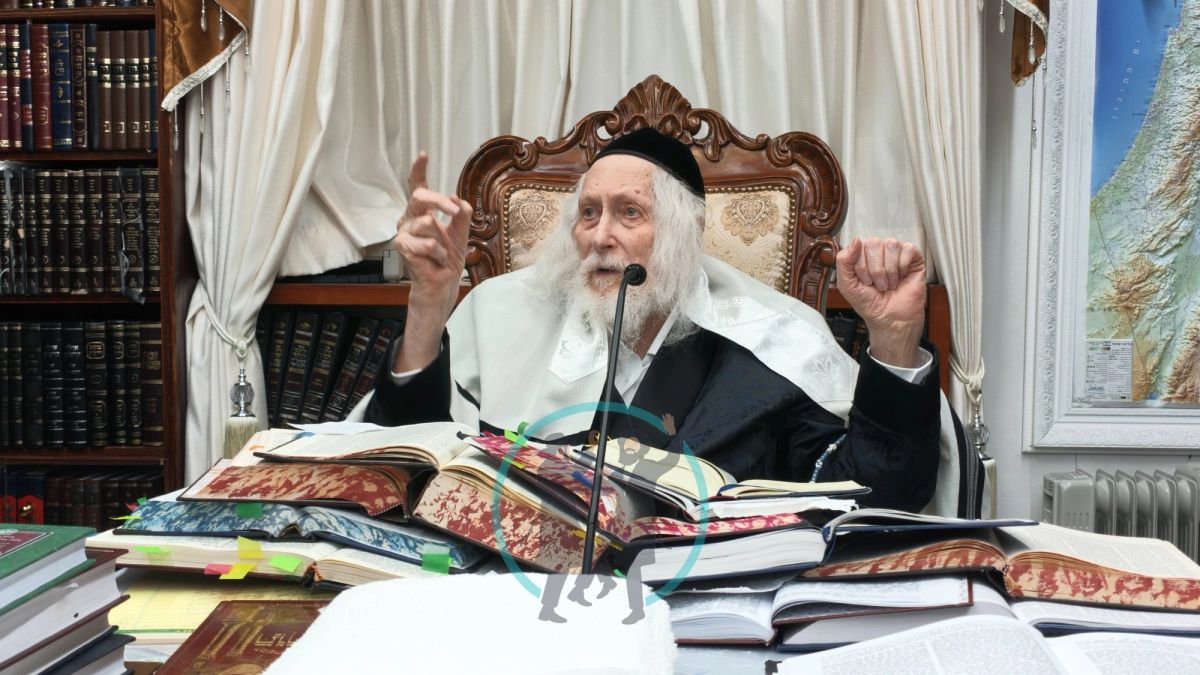
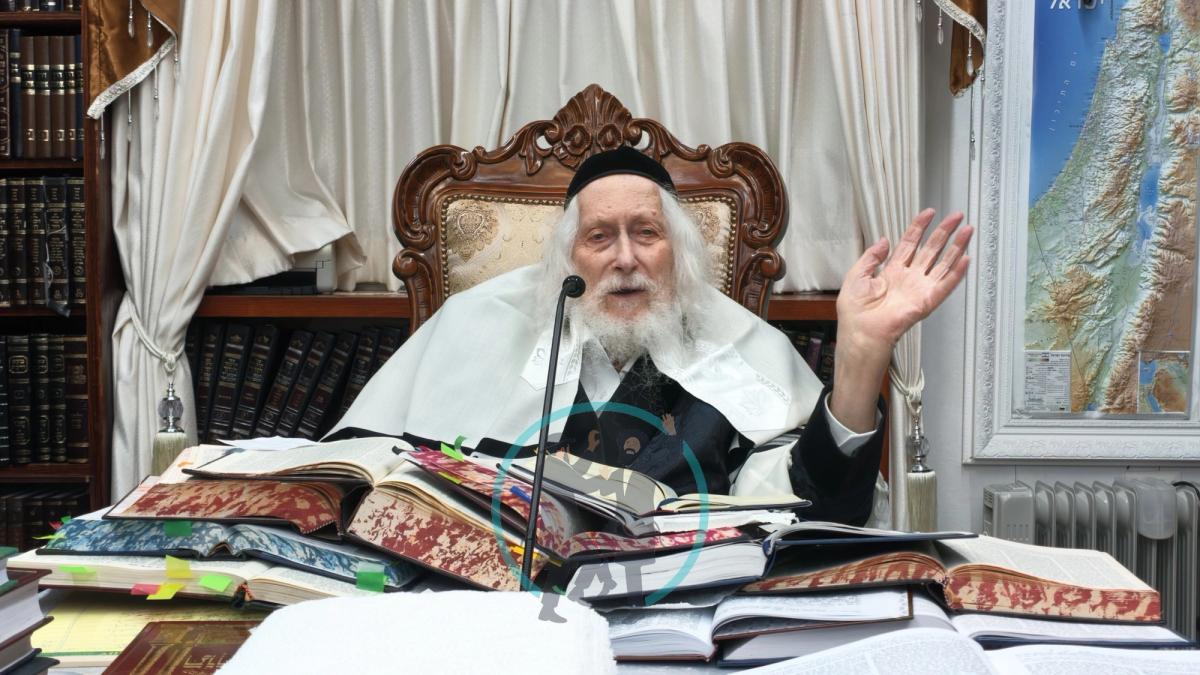
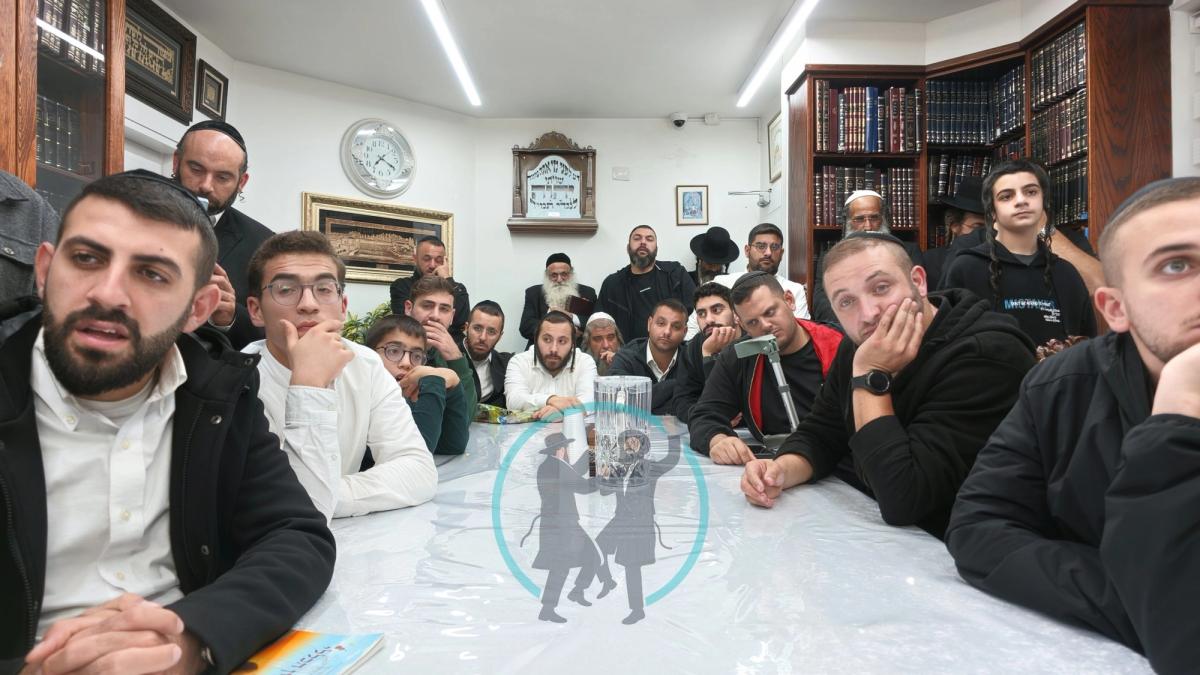
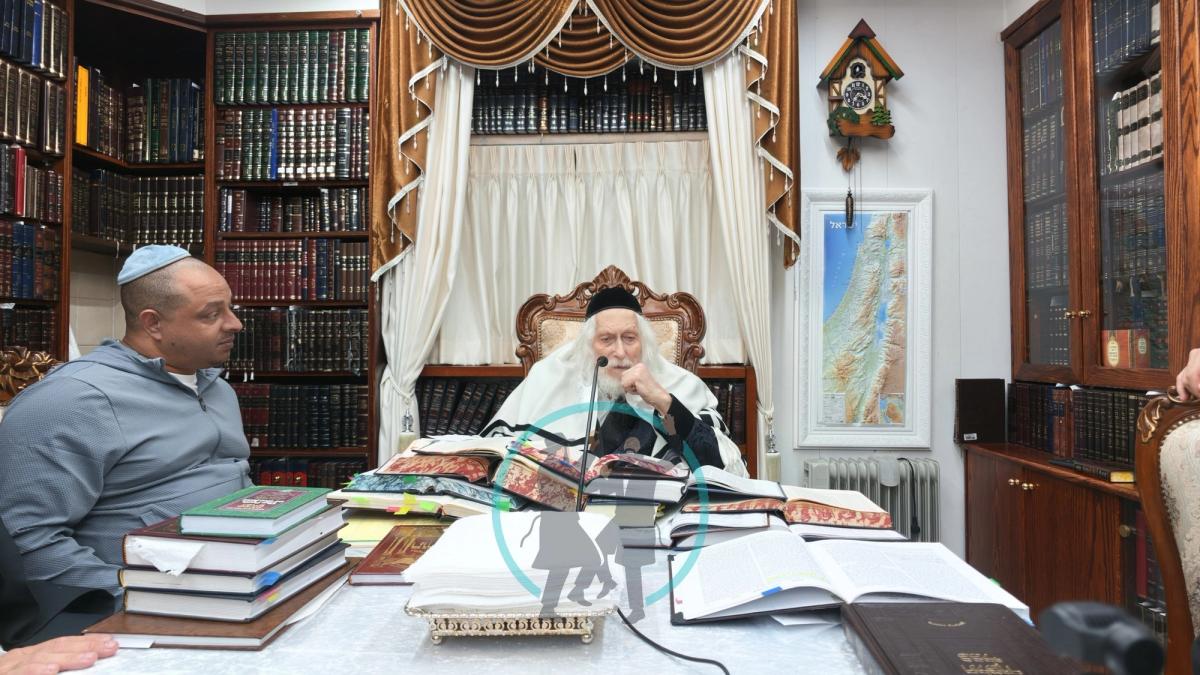
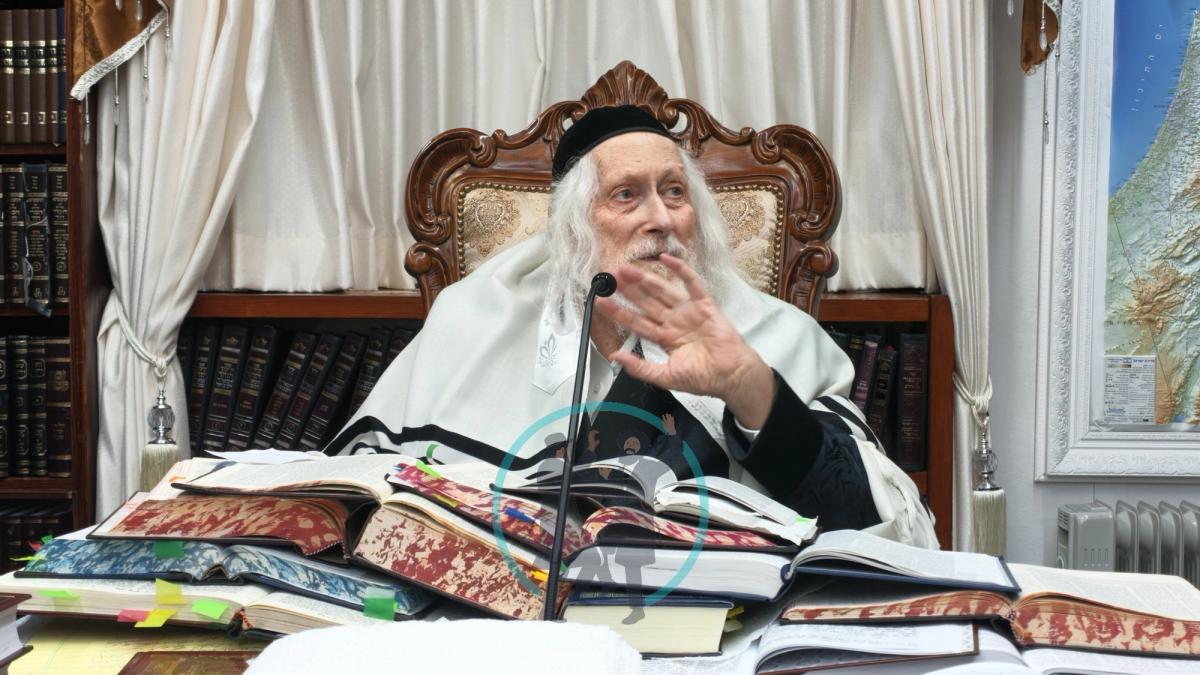
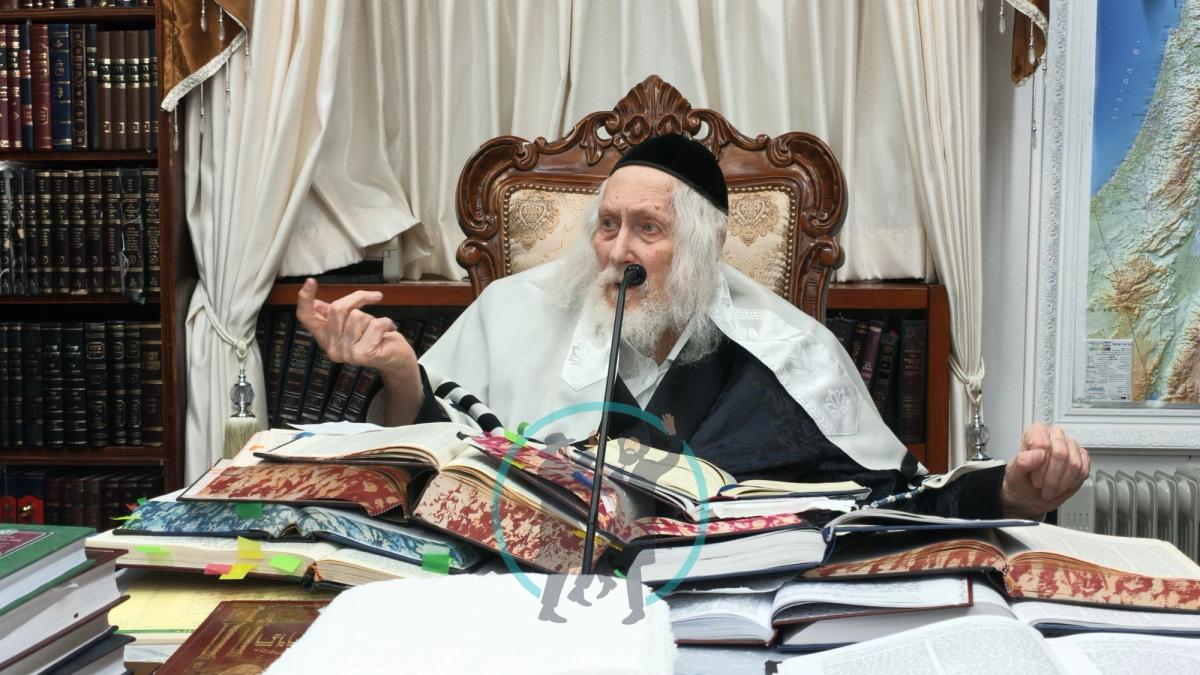
In a class delivered by our teacher, Rabbi Eliezer Berland shlit"a, at his home on Monday evening, the night of 7 Kislev 5787, to a group of young men who came to him, the Rav opened with the humility of our matriarch Leah. He spoke about the anticipation for Mashiach "today," about Rabbi Chanina who stopped on the way to save a dying man, about Nakdimon ben Gurion and the sun, and about the three tears of Esav. Finally, he concluded with the twelve things that Moshe Rabbeinu did not know, and the power of Rabbi Akiva to judge every person favorably.
"The feet of Leah are greater than the crown of Rachel"
The Rav opened with the words of our Sages regarding humility, that what others make as a crown for their heads, humility makes as a heel for its feet. "So Leah represents humility," the Rav said, "therefore, the feet of Leah are greater than the crown of Rachel." The Rav had already spoken about the virtue of the humility of our matriarch Leah back in the month of Cheshvan.
From there, he moved on to gematria (numerical value): Rachel has the numerical value of 238, Leah is 36, and together they equal 274, which is the same value as "Ra'ad" (trembling) and "Mordechai." "Wherever they say Mordechai and Esther, at that very moment, a trembling will fall upon all the nations of the world." Regarding our matriarch Rachel, who is buried on the road to Efrat, he said: "Rachel is at Bethlehem of Efrat, at Migdal Eder; that is where the King Mashiach will arrive."
"We are not willing to wait even one more day"
"Everyone is waiting for Mashiach; Mashiach should have arrived today. We are not willing to wait even one more day."
"Today is already the 7th of Kislev," the Rav said. "Everyone is waiting for Mashiach; Mashiach should have arrived today. We are not willing to wait even one more day." He then cited the Zohar on Parashas Shlach, which explains that the verse "But I am like a flourishing olive tree" refers to Mashiach ben Yosef.
The Rav told a story about the Klausenburger Rebbe zt"l, who, during the days of the Holocaust, saw the trains arriving and fainted, because he thought that Mashiach would surely come right then: "What, after such a six-year period where six million Jews were slaughtered, is it not fitting that Mashiach should arrive?"
"As soon as they are born, they are already dancing"
Regarding the generation of the Flood, the Rav brought the verse in Iyov (Job), "And their children dance." "The generation of the Flood committed every sin, robbery was right before them, and yet they are dancing. As soon as they are born, they are already dancing," the Rav described. They were giants, they built palaces and towers, they played the harp and the tambourine; "They had musical notes, there were musical notes even back then."
"First, let us save the person"
The Rav told the story of Rabbi Chanina, who brought new shoes for his children on the eve of Pesach. "In the past, people only got shoes once a year," the Rav explained. "They would bring them on Pesach, and by the time Rosh Hashanah arrived, the shoes were already torn, the sole was ripped. You would walk in the snow with a torn sole."
On the way home, Rabbi Chanina saw a dying man. "In another minute it will be sunset, it will start to get cold, a terrible cold, and I will die on the spot." Rabbi Chanina took him on his shoulders and said: "Okay, I will save you, come what may. First, let us save the person." He brought him to the first house on the way, and when he returned to retrieve his package, bandits had already stolen it.
The darkness of Egypt, and light from all directions
"Today there is a panorama," the Rav said about the view from his home. "There is light from all directions, on Highway 1, and from here, and from there, from Beit Hanina, and from Kfar Bidu, and from Beit Iksa." But in the past, during the darkness of Egypt, "you could feel it. You couldn't see how to walk." Therefore, he said, Ner, the grandfather of King Shaul, was named as such (Ner means candle), because he would light candles for the public.
"The Carmel will connect with Mount Moriah"
Regarding Avigail the Carmelite, the wife of King David, the Rav said: "They called her the Carmelite, she came from the Carmel." The Rav recounted that on the way back from Ma'ale Amos, they passed through the settlement of Carmel in the southern Hebron Hills. "There is a Carmel near Hebron and there is a Carmel near Haifa. In the future to come, the Carmel will connect with Mount Moriah." He also added: "We once wanted to go up to the Carmel on Rosh Chodesh to see the entire Land; you can see the entire Land from there."
Nakdimon ben Gurion: "So that he will have enough left for a thousand years"
The Rav returned to the story of Nakdimon ben Gurion, who committed to returning twelve cisterns full of water to a Roman official for the festival pilgrims, and when the deadline arrived, the sun shone anew in the merit of his prayer. The Rav described his immense wealth: "He would lay down carpets of gold from his house," all the way to the Beis HaMikdash (Holy Temple). And in the end, the Rav recounted, his daughter was seen gathering barley. "No matter how much they gave, it was nothing," the Rav said. "So a person must always ensure that he has enough left for a thousand years; that is what is important."
He also mentioned the sun that stood still for Yehoshua, "and did not hasten to set for a whole day," which, according to his calculation, did not move for sixty hours.
The Three Tears of Esav
In this week's Torah portion, Parashat Vayetzei, the Rav said: "'And Yaakov left' (Vayetzei Yaakov) - this is when Esav began to cry. It is written that he cried three tears. Two fell to the earth, and so the two Holy Temples were destroyed. The third dried up on his face." Last week, the Rav spoke about the plan of Esav and Yishmael against Yitzchak, and this time he also returned to the blessing that Esav received, "from the fat of the earth." "Rashi says this is the Italy of Greece," and from there to the wine vineyards of Italy and Hungary: "Tokaji wine."
"Everything is Directed from Above"
The Rav shared a story from his youth: "Immediately after Tisha B'Av, we would travel to the kibbutzim and pick grapes. In Sa'ad and Kfar Darom, we would pick." And on Sukkot, they picked citrus fruits. "I was a 17-year-old boy," he recounted. He went to the rabbi there and asked for permission not to work on Sukkot. "He said: What will you do if it rains?" And in the end, "On the night after the holiday, it actually rained. And everything is directed from Above (Divine Providence), nothing is for naught."
Twelve Things That Moshe Rabbeinu Did Not Know
The Rav dedicated the end of the shiur (Torah class) to the things that Moshe Rabbeinu did not know: the law of the wood-gatherer (Mekoshesh), the law of the blasphemer (Mekalel), the inheritance laws of the daughters of Tzelafchad, Pesach Sheni (the Second Passover), what to make first—the Ark or the Mishkan (Tabernacle), how to make the Menorah, and the one thousand seven hundred and seventy-five shekels from which the hooks (Vavim) were made. "The hooks are the crown," the Rav explained, "this is the Fiftieth Gate."
And also regarding Cozbi, Moshe did not know what to do, because "Cozbi wanted to bring Mashiach." She was the daughter of Balak, "It is written Cozbi the daughter of Tzur; Tzur is Balak."
And regarding Rabbi Akiva, the Rav said: "Rabbi Akiva is a reincarnation of Moshe Rabbeinu," and therefore he always judged favorably (dan lekaf zechut). "We need someone to judge favorably." The Rav brought a long halachic example of a person who stands before the Sanhedrin and says that he desecrated Shabbat on purpose, and how the Sanhedrin searches for every opening to acquit him, as it is written, "And the congregation shall save him": "Perhaps you are crazy?" And at the end, the Rav said with humility: "I am not getting involved, I do not want to give you opinions now, everyone should decide for themselves."
The Rav concluded the shiur by reciting Kaddish.
Subscribe to Our Newsletter
Receive Torah articles and inspiration directly in your inbox