
Purim in the Presence of Rabbi Eliezer Berland shlit"a
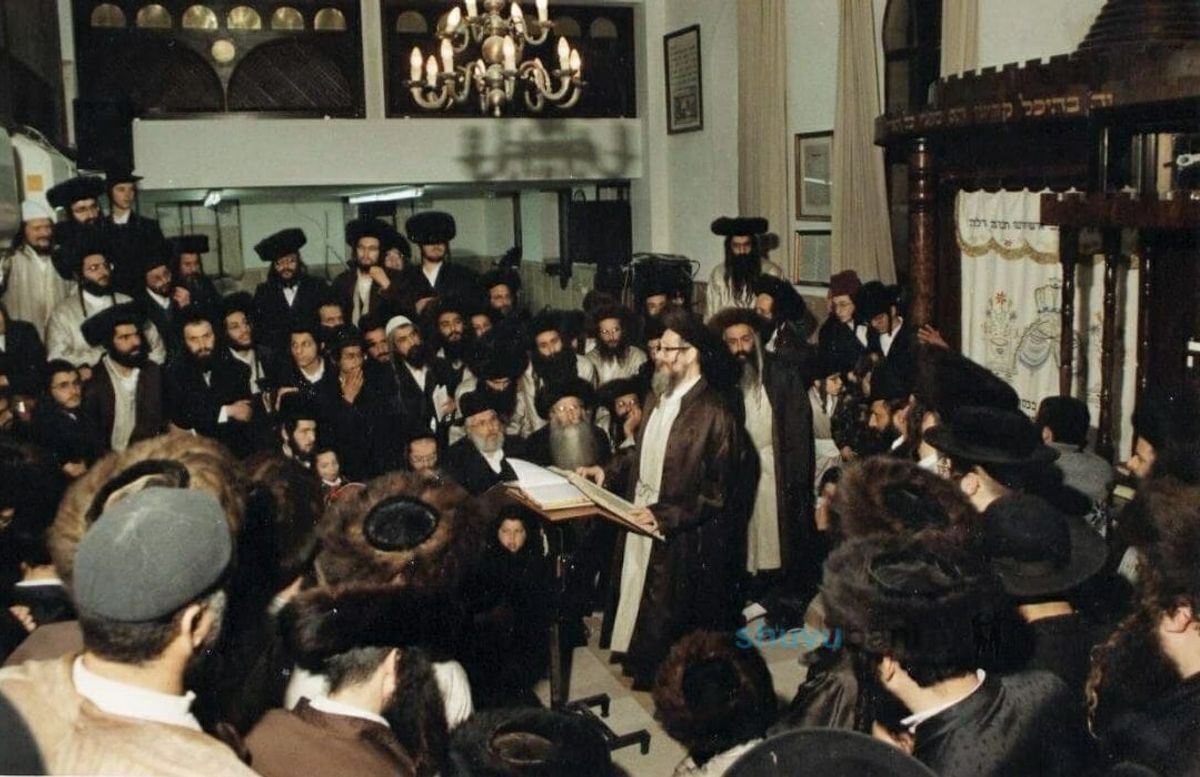
Rabbi Natan Heller shares special, lofty memories from the days of Purim at the Shuvu Banim Yeshiva in the Old City nearly forty years ago: The wine that had no effect > The 'chatzot' (midnight) of Haman and his sons > How Rav Berland reacted when he saw 'Rabin' and 'Arafat' dancing on Purim > The special study schedule that Rav Berland established on Purim day > And to which story did Rav Berland compare the day of Purim?
Lofty Memories
Purim, the greatest day of the year, when all the gates are opened, and whoever reaches out their hand is given. A day when the light of the tzaddik shines with precious brilliance, and his fame spreads throughout all the lands. In Breslov, this sublime day receives a double reinforcement of service to Hashem; alongside all the joy, the plays, and the costumes, they place a special emphasis in Breslov on hitbodedut (secluded prayer) at midnight, and in general on prayer and crying out to Hashem amidst all the day's activities. To enter into the holy and joyful atmosphere of the days of Purim, we spoke with Rabbi Natan Heller, one of the veteran students of Rav Berland, who shares lofty memories from the days of Purim in the shadow of our teacher, Rav Berland.
A Lesson of Flaming Fire
"I remember," recalls Rabbi Heller, "the first Purim I was privileged to be at Shuvu Banim. After the morning prayer, Rav Berland gave a lesson full of flaming fire. I remember that while he was speaking, they poured a special, homemade wine into a large cup for the Rav. Rav Berland drank and spoke, finished one cup, and they filled another for him, and then another, and he continued to speak words of Torah without showing any change, while anyone else would have been drunk long ago from such wine... And afterwards, there was dancing, and Rav Berland danced with everyone as if he hadn't drunk any wine at all."
Witty Words from Rav Berland: When Ahasuerus Wanted to Catch the Breslovers
"That same year," he recalls an interesting anecdote, "when I arrived at the yeshiva, Rav Berland had just arrived as well and was walking up the stairs with me. He said to me in jest that Ahasuerus was one of the opponents, and every night the Breslovers would disturb his sleep because they would perform hitbodedut at midnight in the garden of the pavilion, saying Tikkun Chatzot with voices and shouts... Every night he wanted to banish them and catch them, waiting for midnight to arrive so he could go out and catch them, but in the end, he would always fall asleep at midnight... until one day he decided to stay awake at any cost, and the first Breslover he caught, he would hang. And that very night... 'And Haman came'... he was the first to arrive, was caught, and was hanged on a high tree...
Rav Berland told me this in the context that at that time, people were talking about the Breslovers doing hitbodedut at night and disturbing people's sleep, so behold, they also disturbed Ahasuerus..."
A Special Study Schedule on Purim Day at Shuvu Banim
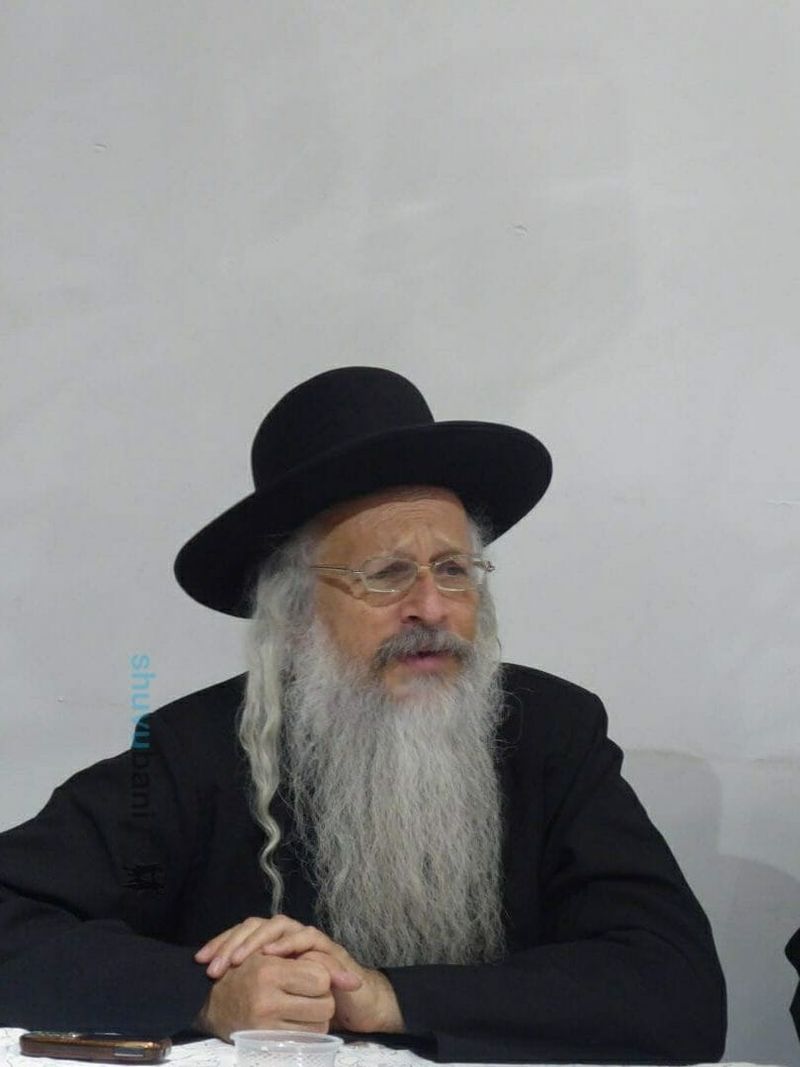
"At that time," continues Rabbi Heller, "I was constantly in doubt whether to stay at Shuvu Banim, and the holiday of Purim made a very special impression on me to stay in this holy place. On Purim night after the prayer, there were buses to the field, and afterwards, there was Shacharit prayer at sunrise. After the reading of the Megillah, Rav Berland would give a lesson, and afterwards, there was dancing. There were also years when, after the morning Megillah reading, Rav Berland made sure that everyone sat and studied for two or three hours. I remember Rav Berland shouting this in the lesson; he said that they should not return home without studying, that the dancing and all the matters of Purim joy should not be without intellect and without study. And indeed, everyone stayed; the entire study hall was full as on a regular day, and when Rav Berland left, everyone followed him..."
A Serious Play
"On Purim day," he recalls, "already at 12:00, the dancing would begin in our study hall and continue until the small hours of the night. In the early years, our teacher Rav Berland would also participate in all the dancing. There was one time—it was during the time of the Oslo Accords—Meir Rubinstein dressed up as Rabin; he knew how to imitate him very well. And R' Yisrael Sabag, who knew how to imitate Arafat, dressed up as him. They approached Rav Berland in the middle of the dancing to cheer him up, but Rav Berland suddenly became very serious, and he spoke to them as if he were actually speaking to Rabin and Arafat. He asked them why they were making all these terrible agreements, and he spoke to them with real pain; everyone was truly shocked by it. And those 'peace agreements' were indeed terrible at the time, as the Arabs were carrying out terror attacks the whole time. There was also one Purim when a cursed terrorist blew himself up in Tel Aviv in a group of children, may Hashem avenge their blood. (This is very reminiscent of the story about Rebbe Yisrael of Ruzhin, with the chassid who dressed up as the Tsar)."
'Whoever Reaches Out Their Hand' – The Drunkard Whose Blessings All Come True and the Day of Purim – A Special Parable from Rav Berland
In conclusion, Rabbi Heller brings the words of our teacher Rav Berland from one of the lessons on Purim day: "The Rav said that Purim is just like the story of the one who performed the redemption of captives with self-sacrifice, and he was given a gift from Heaven that everything he blessed would come true, only the 'Baal Davar' (the adversary) made him drunk, and thus he could not bless. There was one man who needed salvation, and his Rav sent him to that drunkard, saying that only through him would he see the salvation. What did that chassid do? He made sure they didn't bring him any more wine, and then between bottles, he managed to extract the blessing from him, which indeed came true. And our teacher Rav Berland said that this is how Purim is—a special time of favor that must be utilized; on one hand, there are many distractions, albeit of the mitzvot of the day, but one does not always manage to utilize it properly."
Subscribe to Our Newsletter
Receive Torah articles and inspiration directly in your inbox