Rabbi Berland shlit"a to the Students of "Nachalei HaTorah" Yeshiva: "All the Abundance Descends in Jerusalem" — A Special Class on Parashat Matot-Masei
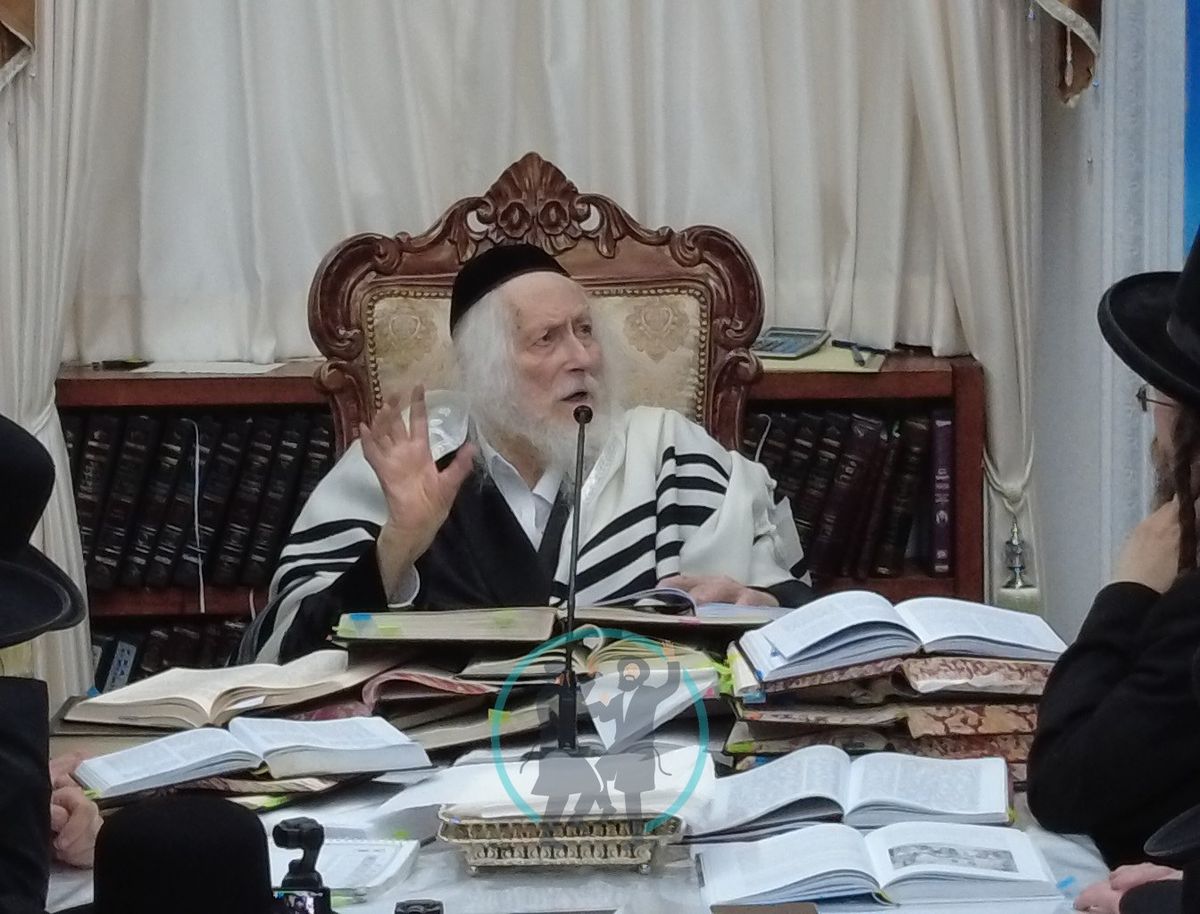
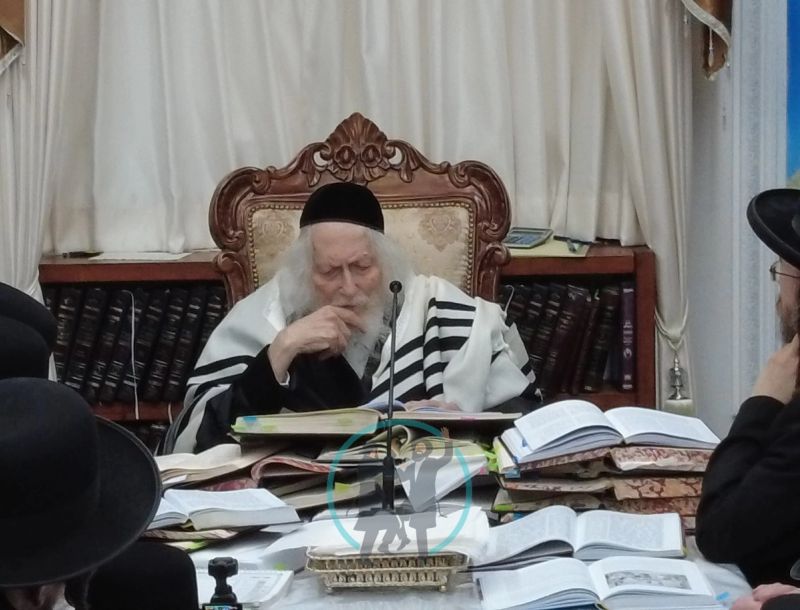
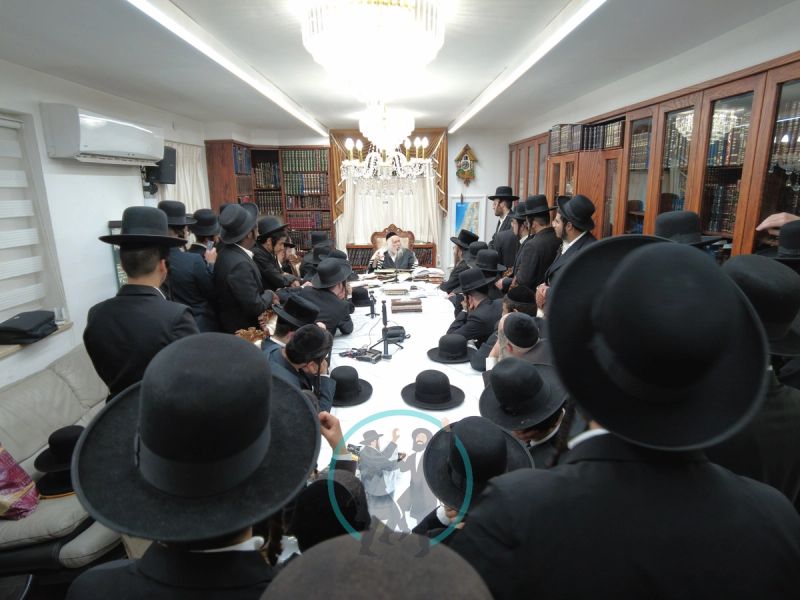
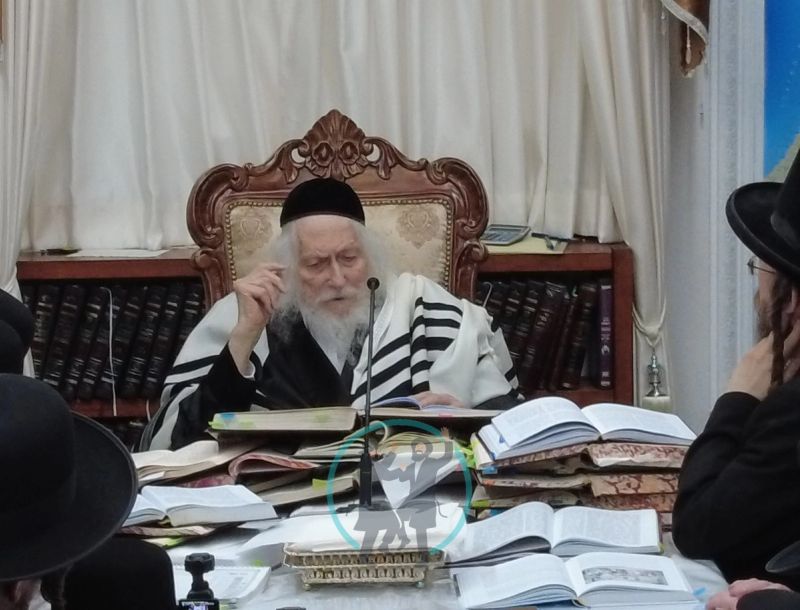
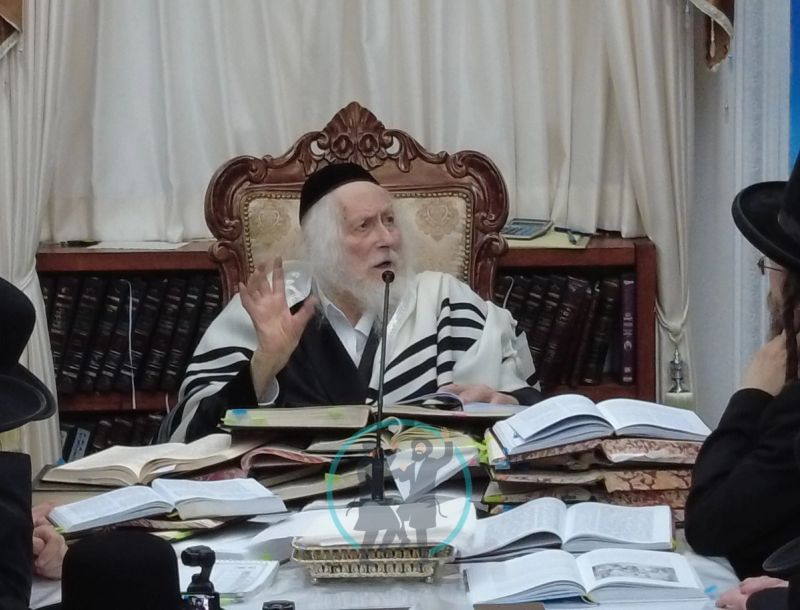
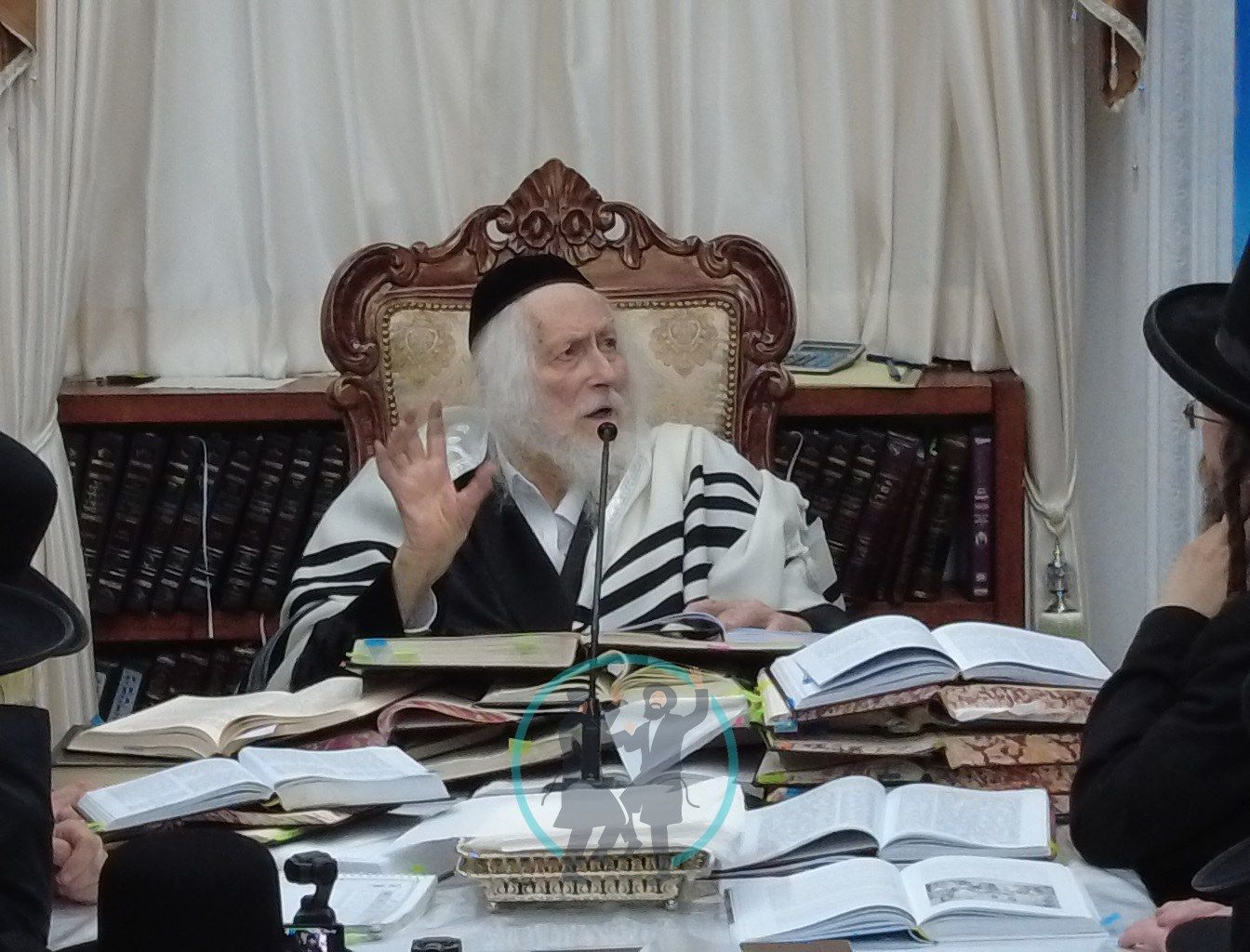
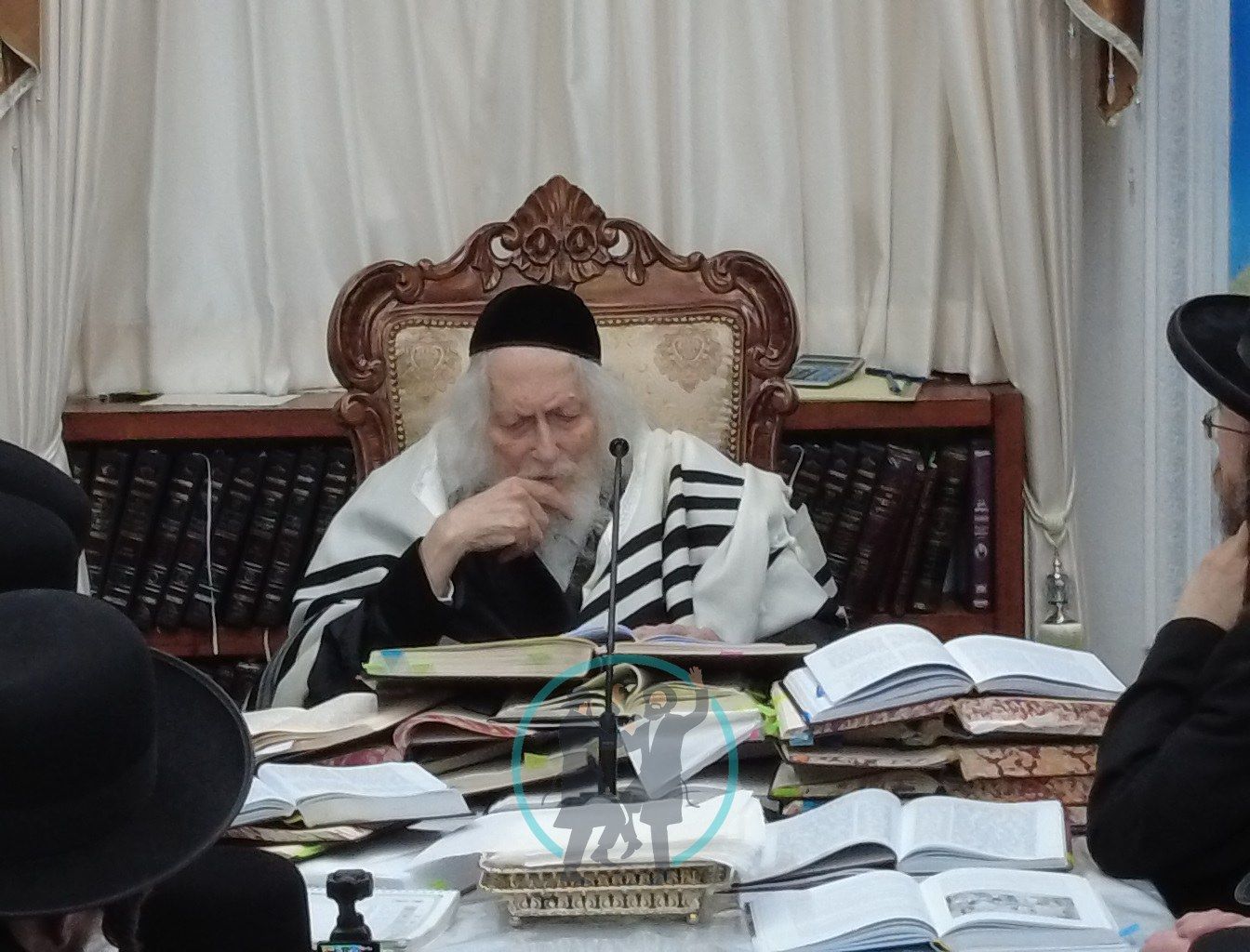
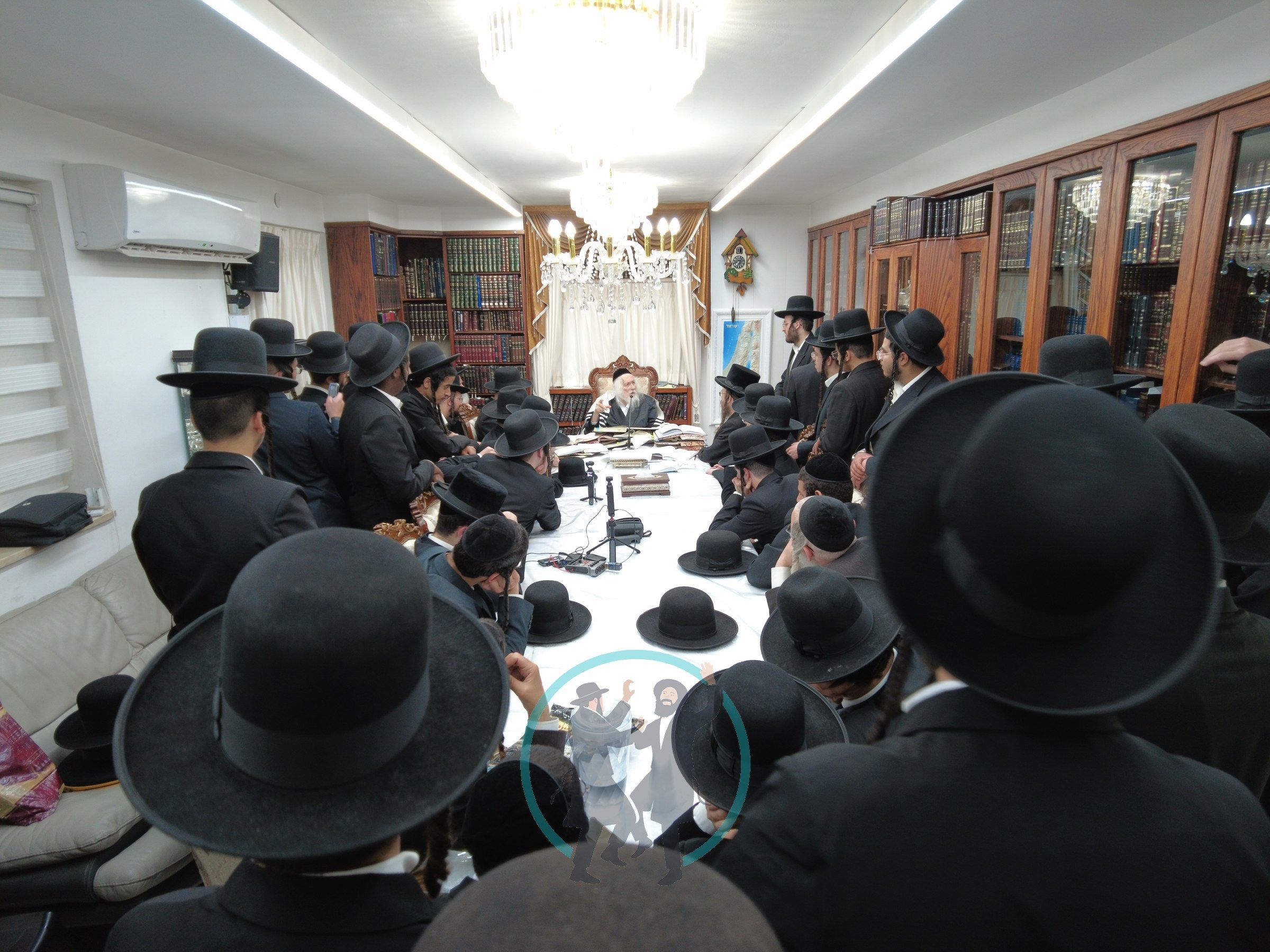
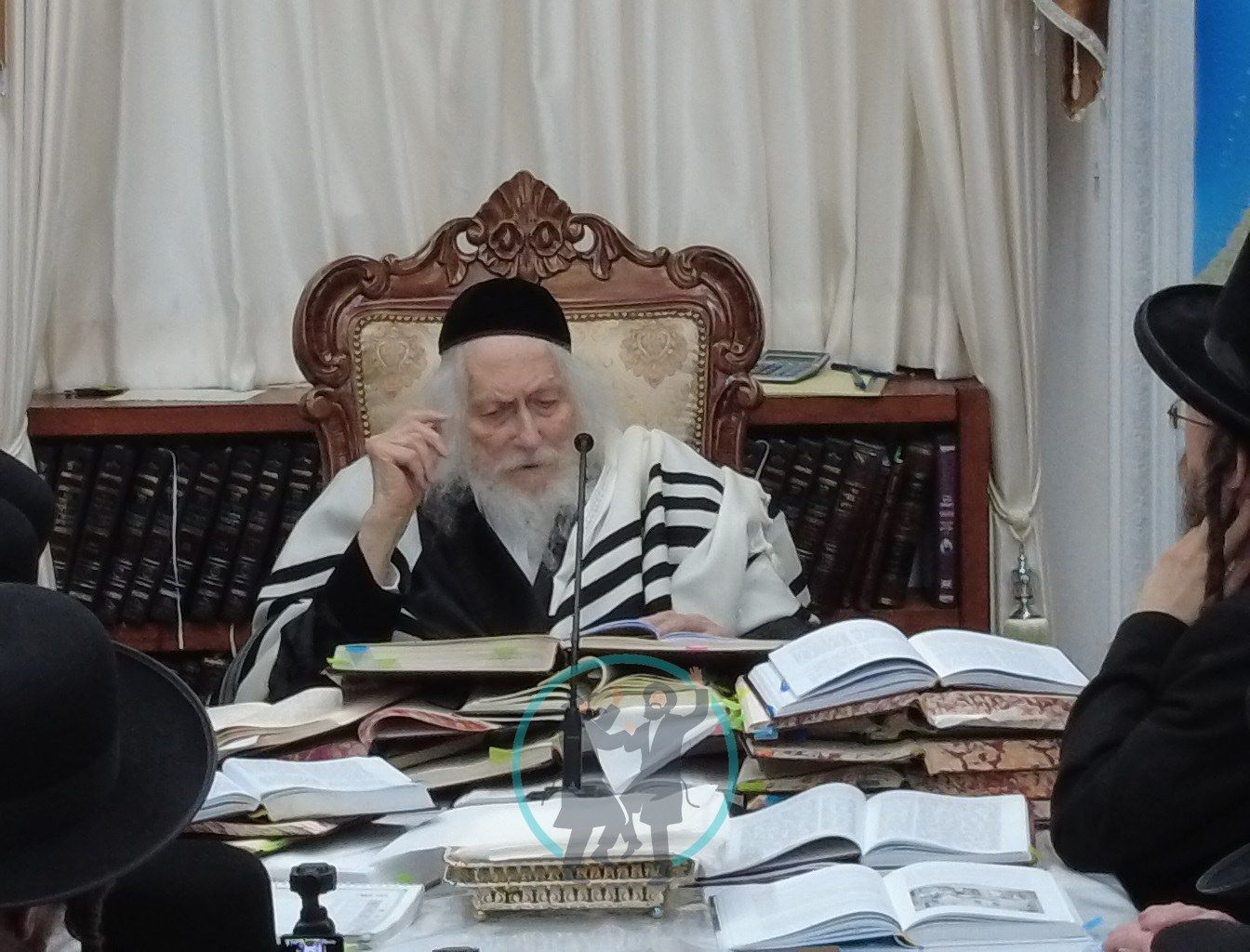
**In the home of Rabbi Eliezer Berland shlit"a, around a table laden with dozens of open books, the students of the "Nachalei HaTorah" yeshiva crowded together to hear a special class on the weekly Torah portion, Matot-Masei. For about an hour, the Rav navigated between the profound depths of the Parashah and vibrant, practical guidance for the young men — from the hidden reincarnations within the portion, through a piercing call to toil in Gemara, to the great secret of drawing the Shechinah (Divine Presence) into a Jewish home. We have compiled the main points.**
"Nachalei HaTorah — Streams of Eternity": Never Despair
Several times during the class, the Rav addressed the students by the name of their yeshiva, playfully praising it: "Nachalei HaTorah (Streams of Torah), Streams of Zion, Streams of Eternity." He connected these words to Eliyahu HaNavi (Elijah the Prophet), who was not intimidated by the king and did not surrender to his messengers — "Man of God, come down" — but rather stood his ground with zealotry until the very end. "Eliyahu HaNavi did not despair," said the Rav; the king sent messenger after messenger, and he did not break. This, he explained, is the strength of a student from the "Streams of Eternity" yeshiva: a true servant of Hashem who does not let go, who never despairs, and who does not compromise on the truth even when the entire world is applying pressure from the outside.
 "Learn Gemara!" — The Recurring Call
At the heart of the class was the story of Korach, as brought down in the Gemara in Tractate Sanhedrin. The Rav described how, after the sin of the Golden Calf, the mockers had their beards and peyos (sidelocks) shaved off to disgrace them — and how Korach returned home without peyos and without a beard, and his wife incited him. From here, the Rav raised a wonder: How could this be, considering the prohibition "You shall not destroy the corners of your beard"? "All of this is the Gemara in Sanhedrin," he repeatedly emphasized. "It is the most interesting thing in the world."
Are you not learning Gemara? What are you learning, then? Learn Gemara, Gemara.
The Rav awakened the students of "Nachalei HaTorah" not to settle for stories and light study, but to dive into the depths of the Talmudic topics — "By seven-thirty in the morning, you can finish the entire chapter of Chelek in Sanhedrin."
"Learn Gemara!" — The Recurring Call
At the heart of the class was the story of Korach, as brought down in the Gemara in Tractate Sanhedrin. The Rav described how, after the sin of the Golden Calf, the mockers had their beards and peyos (sidelocks) shaved off to disgrace them — and how Korach returned home without peyos and without a beard, and his wife incited him. From here, the Rav raised a wonder: How could this be, considering the prohibition "You shall not destroy the corners of your beard"? "All of this is the Gemara in Sanhedrin," he repeatedly emphasized. "It is the most interesting thing in the world."
Are you not learning Gemara? What are you learning, then? Learn Gemara, Gemara.
The Rav awakened the students of "Nachalei HaTorah" not to settle for stories and light study, but to dive into the depths of the Talmudic topics — "By seven-thirty in the morning, you can finish the entire chapter of Chelek in Sanhedrin."
 The Students of Torah — The Shield of the Jewish People
From the Torah portion, in which the tribes of Israel were counted, the Rav transitioned to the immense power of Torah study during a time of war. He cited the words of "Tanna D'Vei Eliyahu": Any two people who learn Torah protect forty thousand — and even one person protects forty thousand.
Anyone who learns Torah protects forty thousand soldiers — including secular soldiers who do not keep Shabbat.
The Rav connected these concepts to Mount Hermon, which he described as "the barometer of the Jewish people": When the Hermon is in our hands, it is a sign that Hashem forgives sins and overlooks transgressions, in the merit of those who study Torah in the Land.
The Students of Torah — The Shield of the Jewish People
From the Torah portion, in which the tribes of Israel were counted, the Rav transitioned to the immense power of Torah study during a time of war. He cited the words of "Tanna D'Vei Eliyahu": Any two people who learn Torah protect forty thousand — and even one person protects forty thousand.
Anyone who learns Torah protects forty thousand soldiers — including secular soldiers who do not keep Shabbat.
The Rav connected these concepts to Mount Hermon, which he described as "the barometer of the Jewish people": When the Hermon is in our hands, it is a sign that Hashem forgives sins and overlooks transgressions, in the merit of those who study Torah in the Land.
 The Secret of All Abundance: The Joy of the Home
The climax of the class was sharp and clear guidance on the spiritual work of shalom bayis (marital harmony), based on the words of the Zohar in Parashat Vayetzei — "And he took from the stones of the place." The Rav taught the young men this fundamental principle:
If there is a problem in the home — the problem is with me, not with the wife; it starts with us.
In descriptive language, the Rav instructed how one should speak to his wife: "We are one, one soul in two bodies... bone of my bones and flesh of my flesh," and to always show that there is absolutely no separation. And the main thing is the attitude: "To buy her gifts, to take her on a trip, to pray together, to go to the Kotel (Western Wall) together." The happier the wife is, the more abundant the blessings that descend.
All the abundance descends in Jerusalem, all the parnassah (livelihood) — everything depends on your joy, the joy in your heart.
Parnassah is not measured by chasing after debts in America — but rather by the joy of the home and marital harmony. As the Rav concluded, sealing the class with the verse: "Many daughters have done valiantly — but you excel them all."
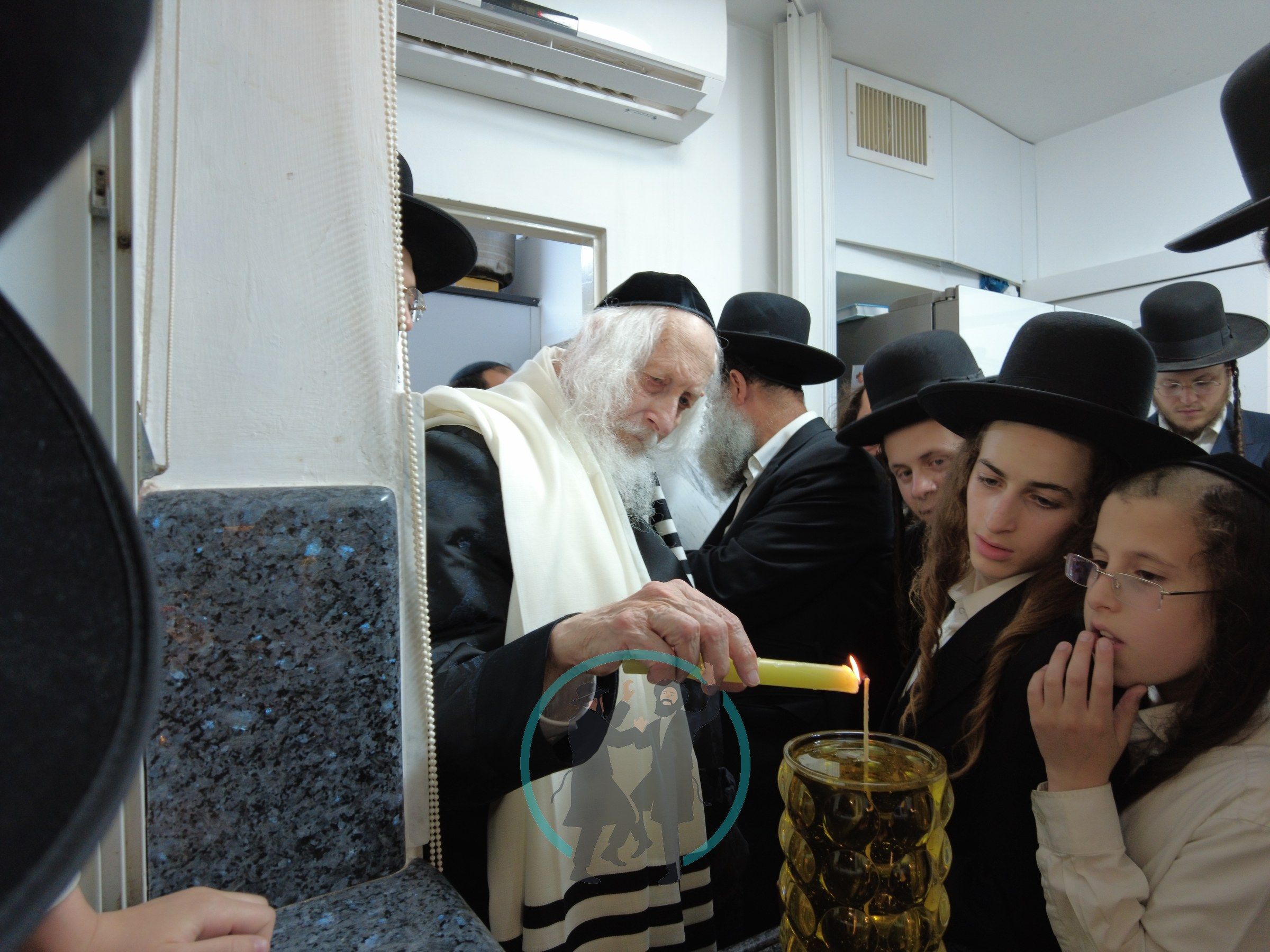
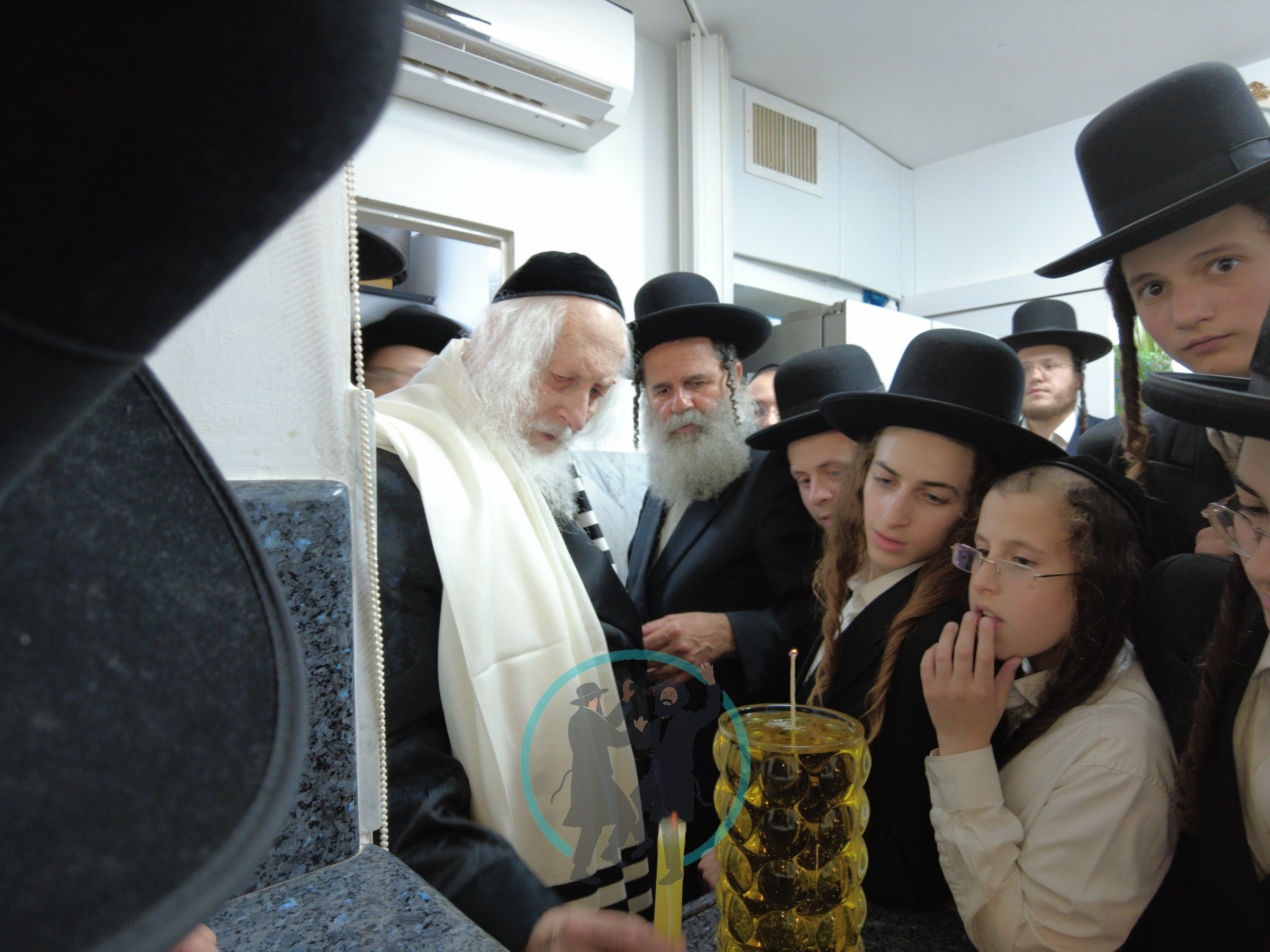
A Candle for the Ascent of the Soul of Rabbi Levi Yitzchak Bender zt"l
After the shiur, Moreinu HaRav shlit"a lit a candle for the ascent of the soul of the tzaddik Rabbi Levi Yitzchak Bender zt"l, whose hilula falls on the 22nd of Tammuz.
The Secret of All Abundance: The Joy of the Home
The climax of the class was sharp and clear guidance on the spiritual work of shalom bayis (marital harmony), based on the words of the Zohar in Parashat Vayetzei — "And he took from the stones of the place." The Rav taught the young men this fundamental principle:
If there is a problem in the home — the problem is with me, not with the wife; it starts with us.
In descriptive language, the Rav instructed how one should speak to his wife: "We are one, one soul in two bodies... bone of my bones and flesh of my flesh," and to always show that there is absolutely no separation. And the main thing is the attitude: "To buy her gifts, to take her on a trip, to pray together, to go to the Kotel (Western Wall) together." The happier the wife is, the more abundant the blessings that descend.
All the abundance descends in Jerusalem, all the parnassah (livelihood) — everything depends on your joy, the joy in your heart.
Parnassah is not measured by chasing after debts in America — but rather by the joy of the home and marital harmony. As the Rav concluded, sealing the class with the verse: "Many daughters have done valiantly — but you excel them all."
A Candle for the Ascent of the Soul of Rabbi Levi Yitzchak Bender zt"l
After the shiur, Moreinu HaRav shlit"a lit a candle for the ascent of the soul of the tzaddik Rabbi Levi Yitzchak Bender zt"l, whose hilula falls on the 22nd of Tammuz.
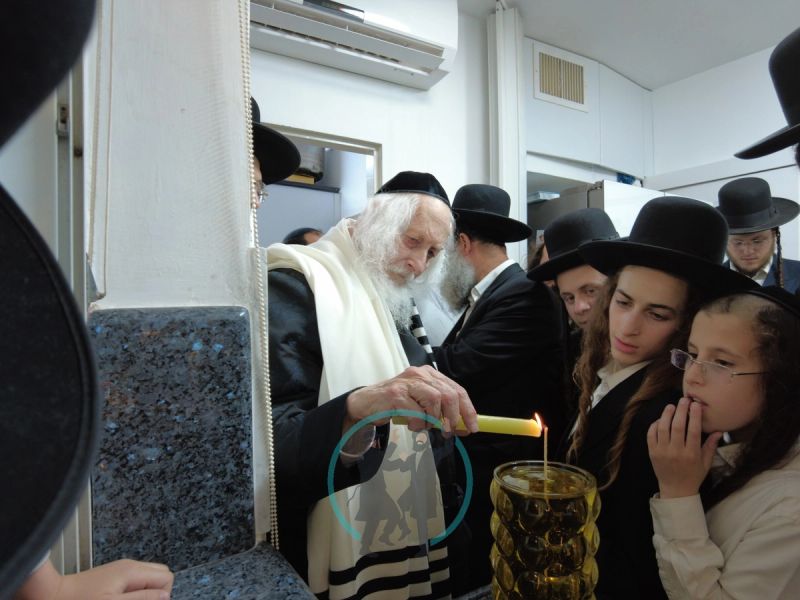
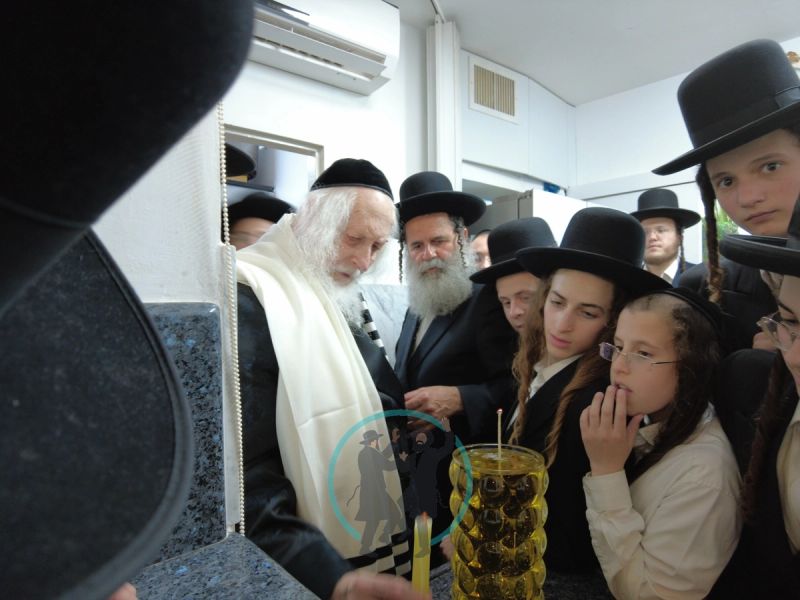 Photo Gallery from the Class
"Learn Gemara!" — The Recurring Call
At the heart of the class was the story of Korach, as brought down in the Gemara in Tractate Sanhedrin. The Rav described how, after the sin of the Golden Calf, the mockers had their beards and peyos (sidelocks) shaved off to disgrace them — and how Korach returned home without peyos and without a beard, and his wife incited him. From here, the Rav raised a wonder: How could this be, considering the prohibition "You shall not destroy the corners of your beard"? "All of this is the Gemara in Sanhedrin," he repeatedly emphasized. "It is the most interesting thing in the world."
Are you not learning Gemara? What are you learning, then? Learn Gemara, Gemara.
The Rav awakened the students of "Nachalei HaTorah" not to settle for stories and light study, but to dive into the depths of the Talmudic topics — "By seven-thirty in the morning, you can finish the entire chapter of Chelek in Sanhedrin."
The Students of Torah — The Shield of the Jewish People
From the Torah portion, in which the tribes of Israel were counted, the Rav transitioned to the immense power of Torah study during a time of war. He cited the words of "Tanna D'Vei Eliyahu": Any two people who learn Torah protect forty thousand — and even one person protects forty thousand.
Anyone who learns Torah protects forty thousand soldiers — including secular soldiers who do not keep Shabbat.
The Rav connected these concepts to Mount Hermon, which he described as "the barometer of the Jewish people": When the Hermon is in our hands, it is a sign that Hashem forgives sins and overlooks transgressions, in the merit of those who study Torah in the Land.
The Secret of All Abundance: The Joy of the Home
The climax of the class was sharp and clear guidance on the spiritual work of shalom bayis (marital harmony), based on the words of the Zohar in Parashat Vayetzei — "And he took from the stones of the place." The Rav taught the young men this fundamental principle:
If there is a problem in the home — the problem is with me, not with the wife; it starts with us.
In descriptive language, the Rav instructed how one should speak to his wife: "We are one, one soul in two bodies... bone of my bones and flesh of my flesh," and to always show that there is absolutely no separation. And the main thing is the attitude: "To buy her gifts, to take her on a trip, to pray together, to go to the Kotel (Western Wall) together." The happier the wife is, the more abundant the blessings that descend.
All the abundance descends in Jerusalem, all the parnassah (livelihood) — everything depends on your joy, the joy in your heart.
Parnassah is not measured by chasing after debts in America — but rather by the joy of the home and marital harmony. As the Rav concluded, sealing the class with the verse: "Many daughters have done valiantly — but you excel them all."
A Candle for the Ascent of the Soul of Rabbi Levi Yitzchak Bender zt"l
After the shiur, Moreinu HaRav shlit"a lit a candle for the ascent of the soul of the tzaddik Rabbi Levi Yitzchak Bender zt"l, whose hilula falls on the 22nd of Tammuz.
Photo Gallery from the Class
Subscribe to Our Newsletter
Receive Torah articles and inspiration directly in your inbox