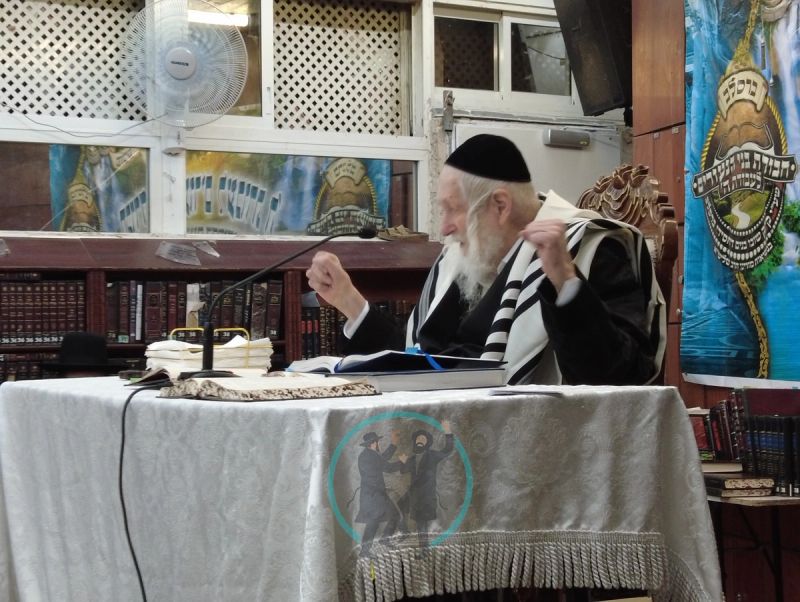
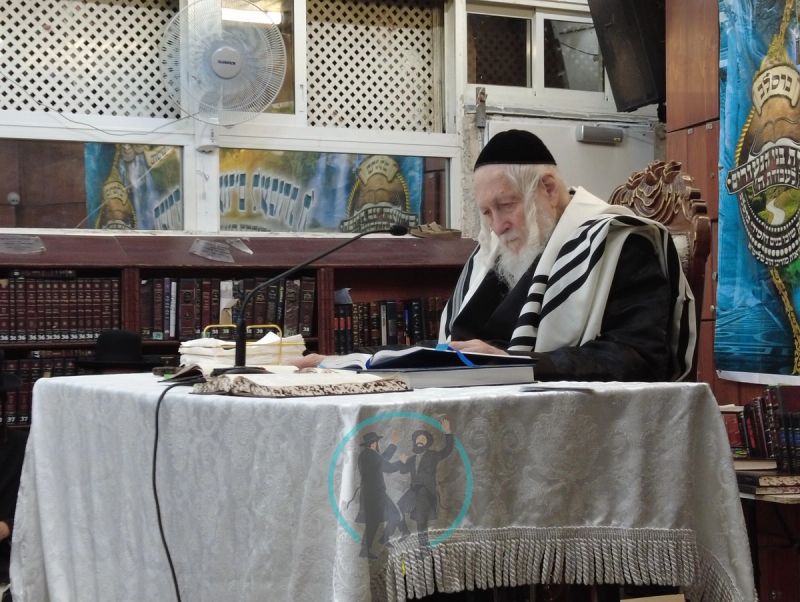
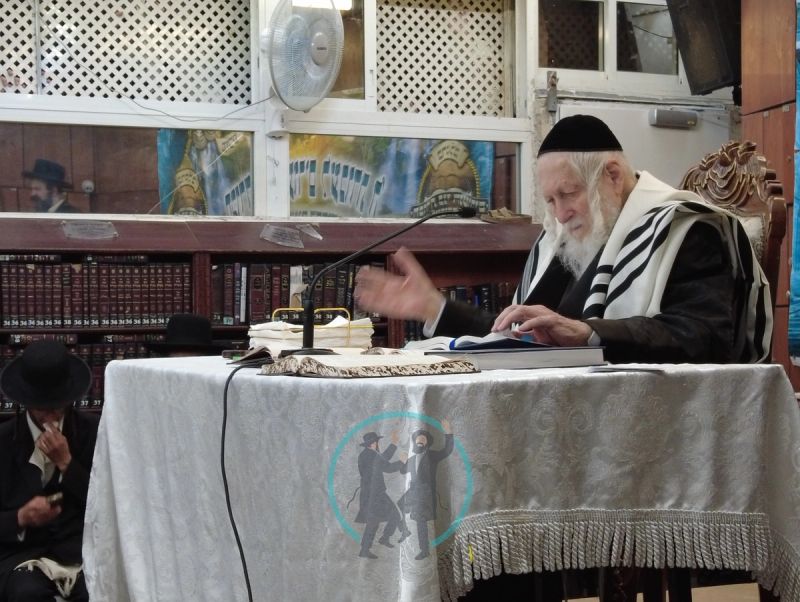
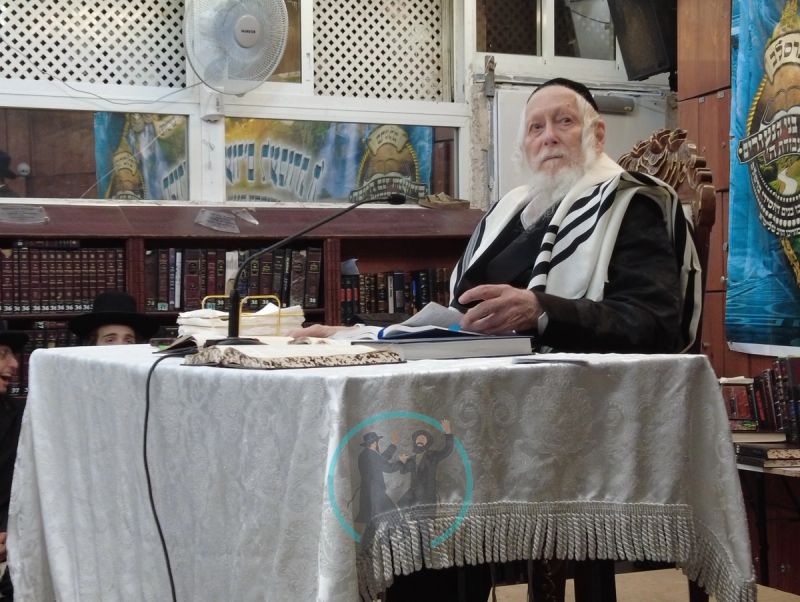
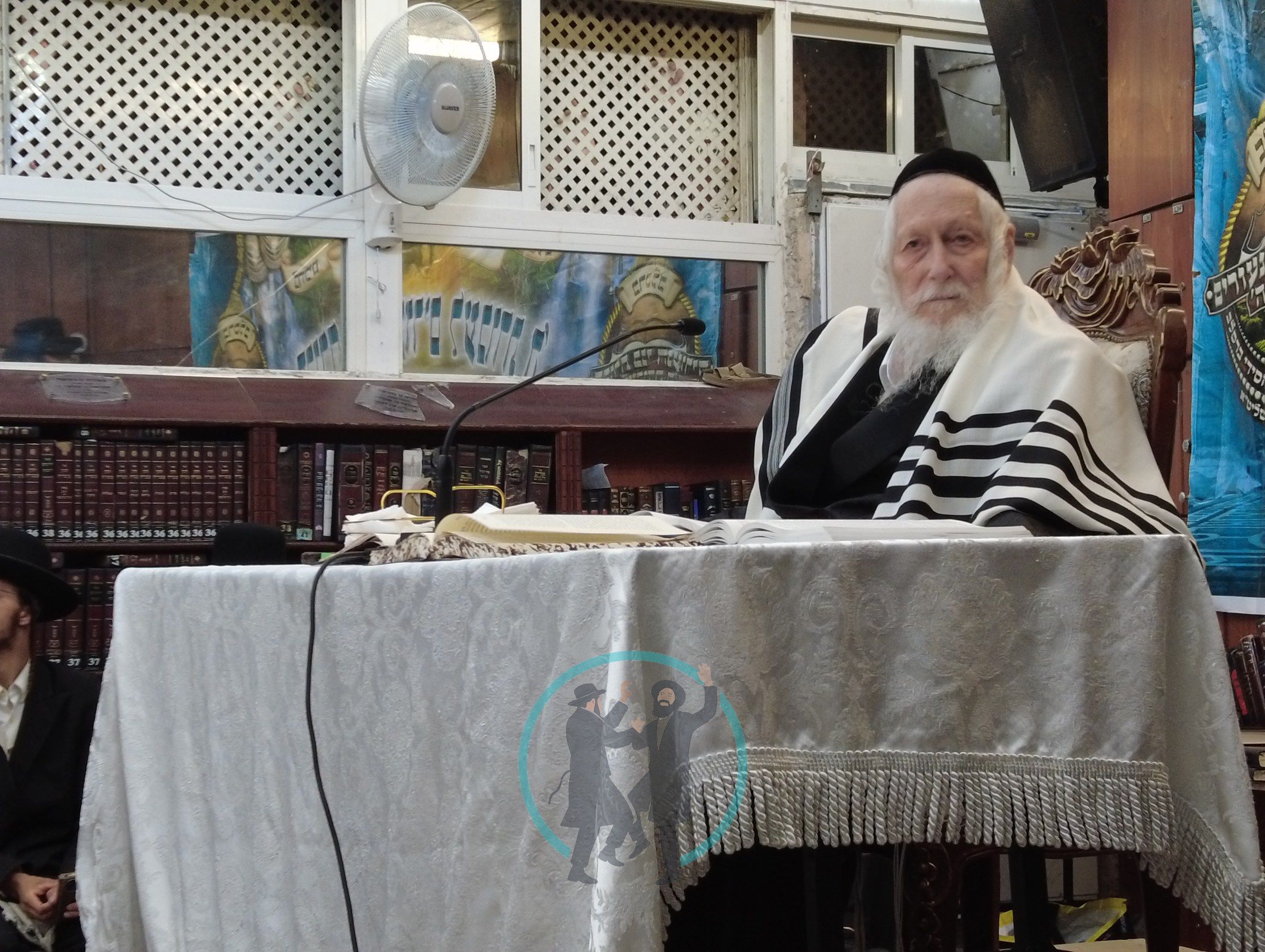
Watch: Rabbi Eliezer Berland shlit"a at a Conference and Shiur for the Bein HaZmanim Yeshiva Students: "The Main Thing is to Encourage — Not to Cause Despair"
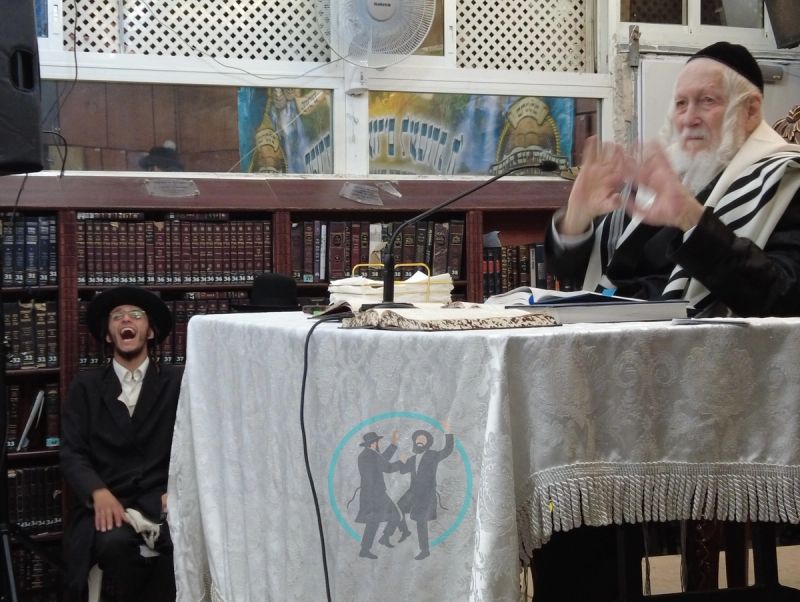
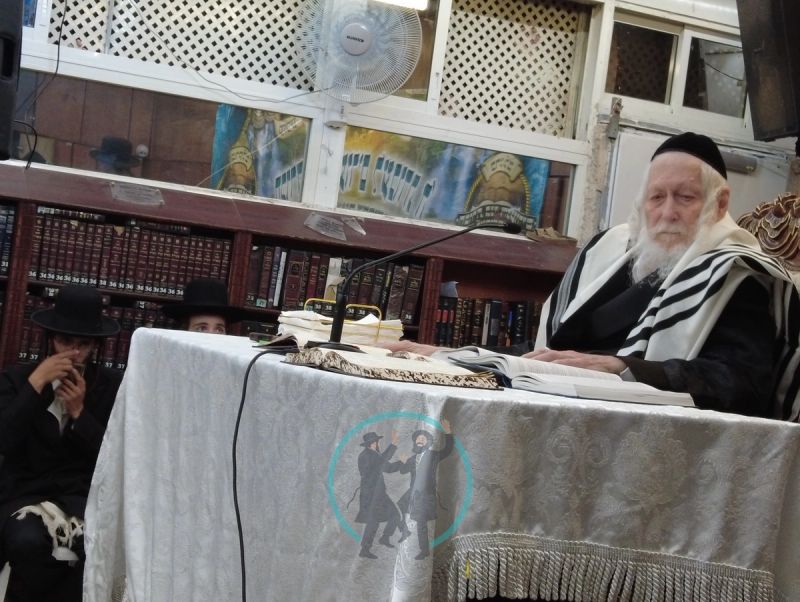
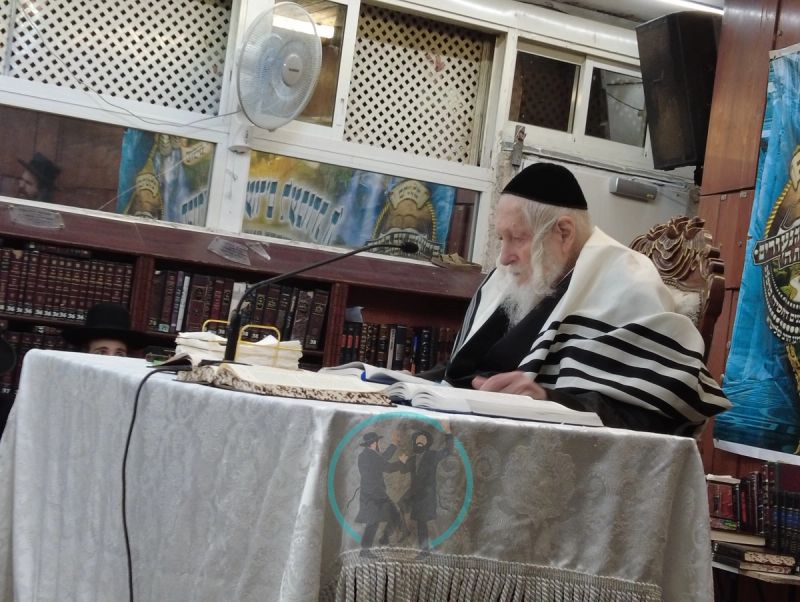
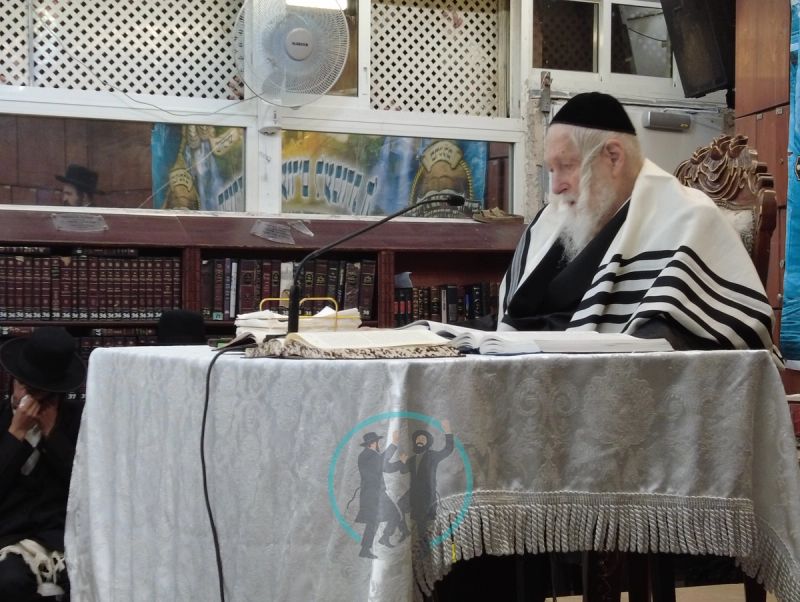
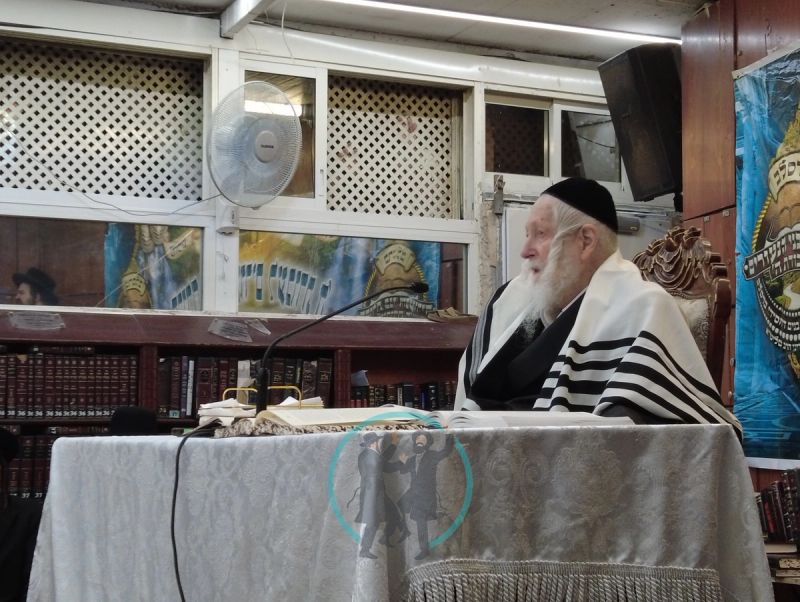
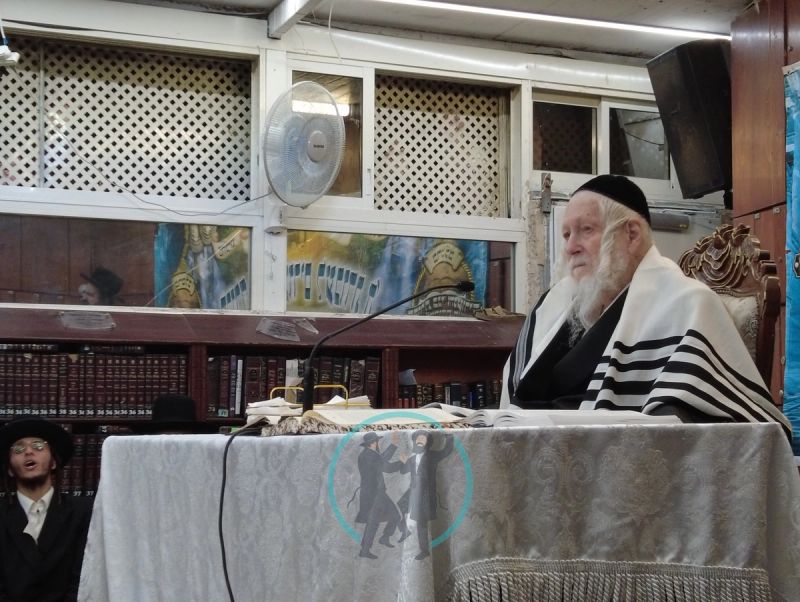
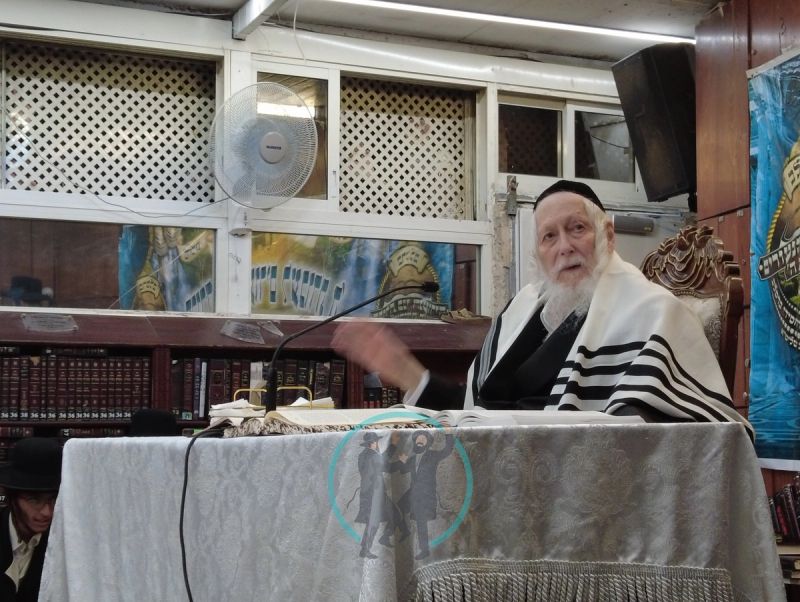
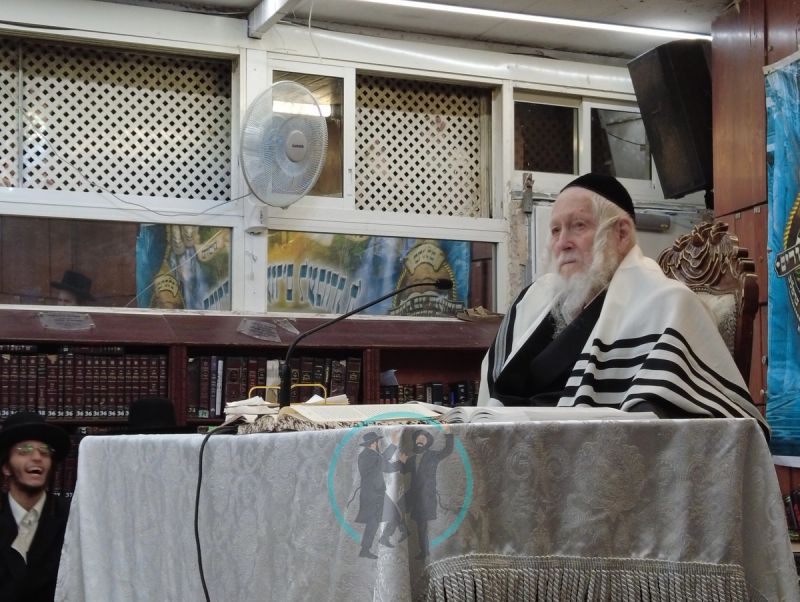
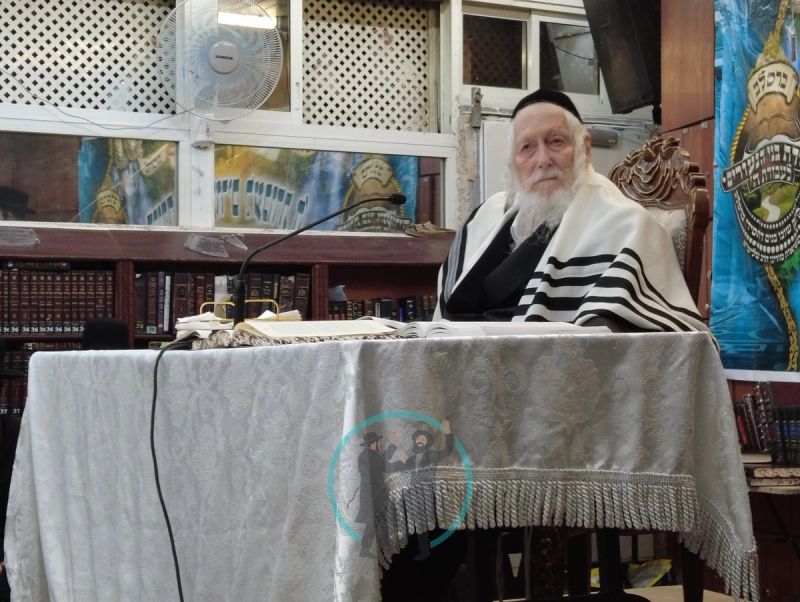
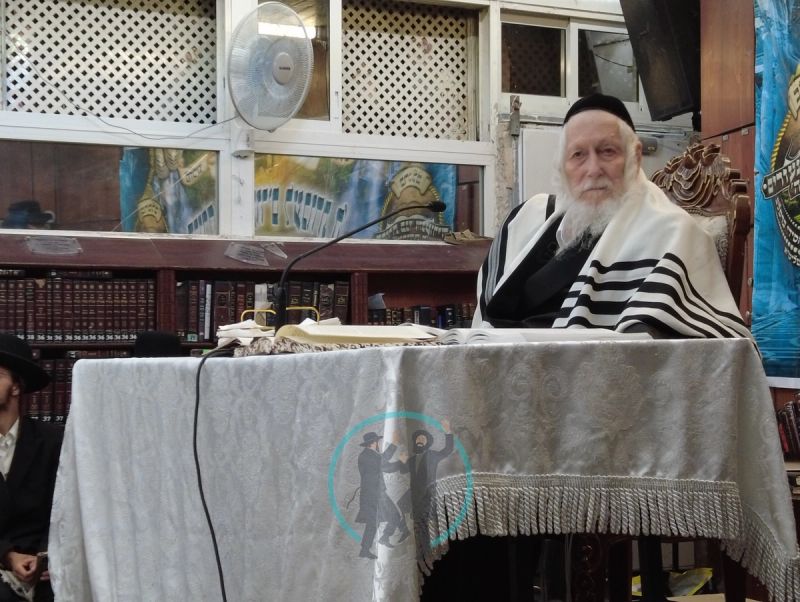
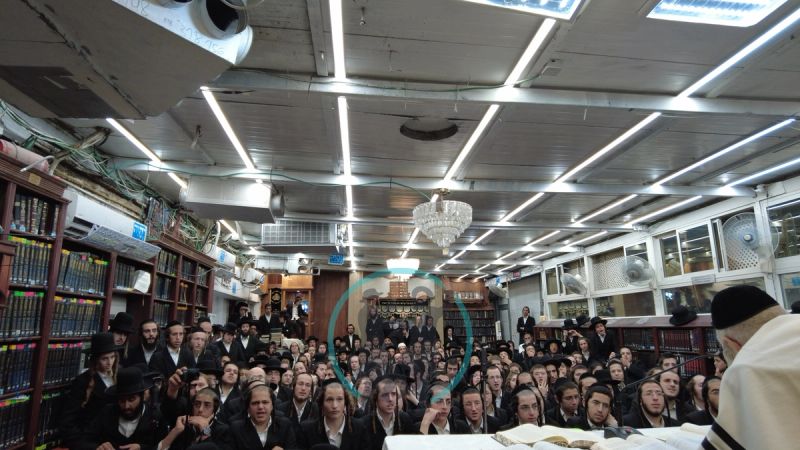
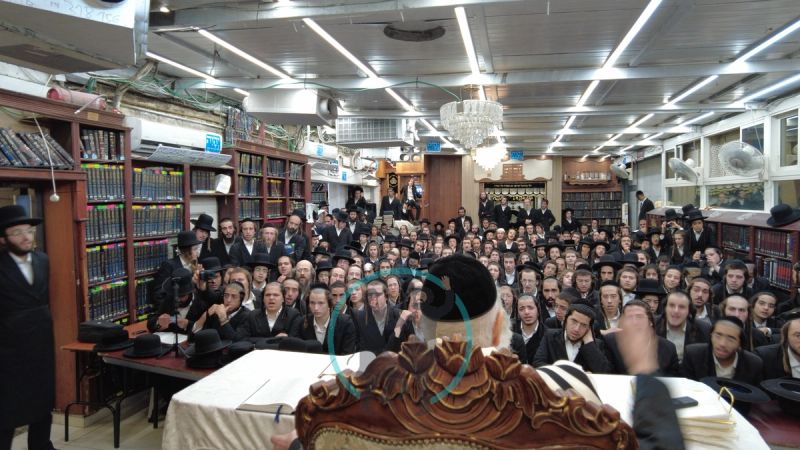
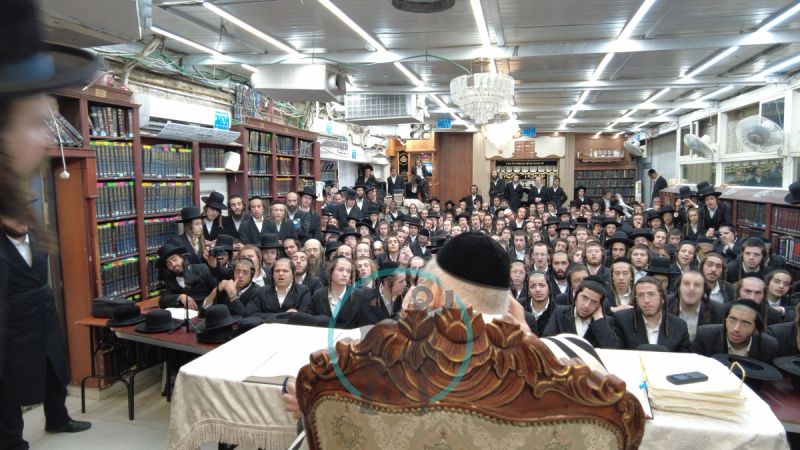
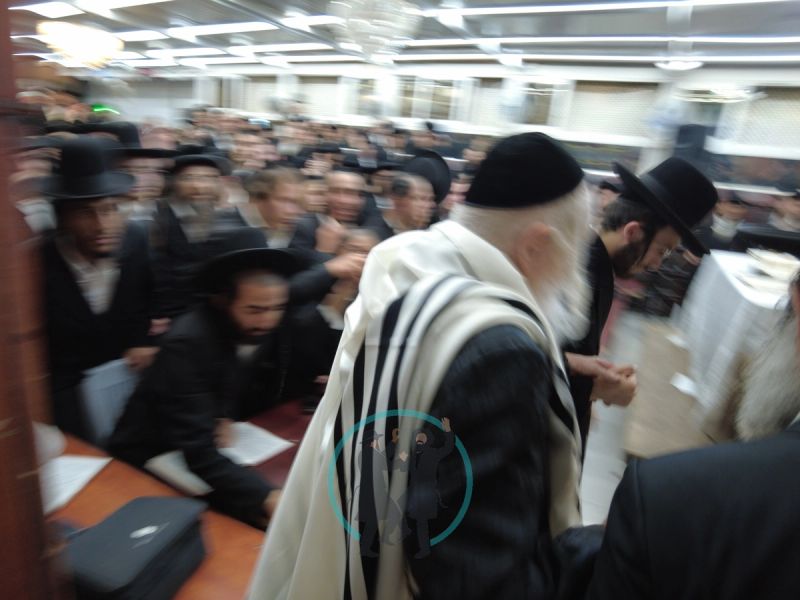
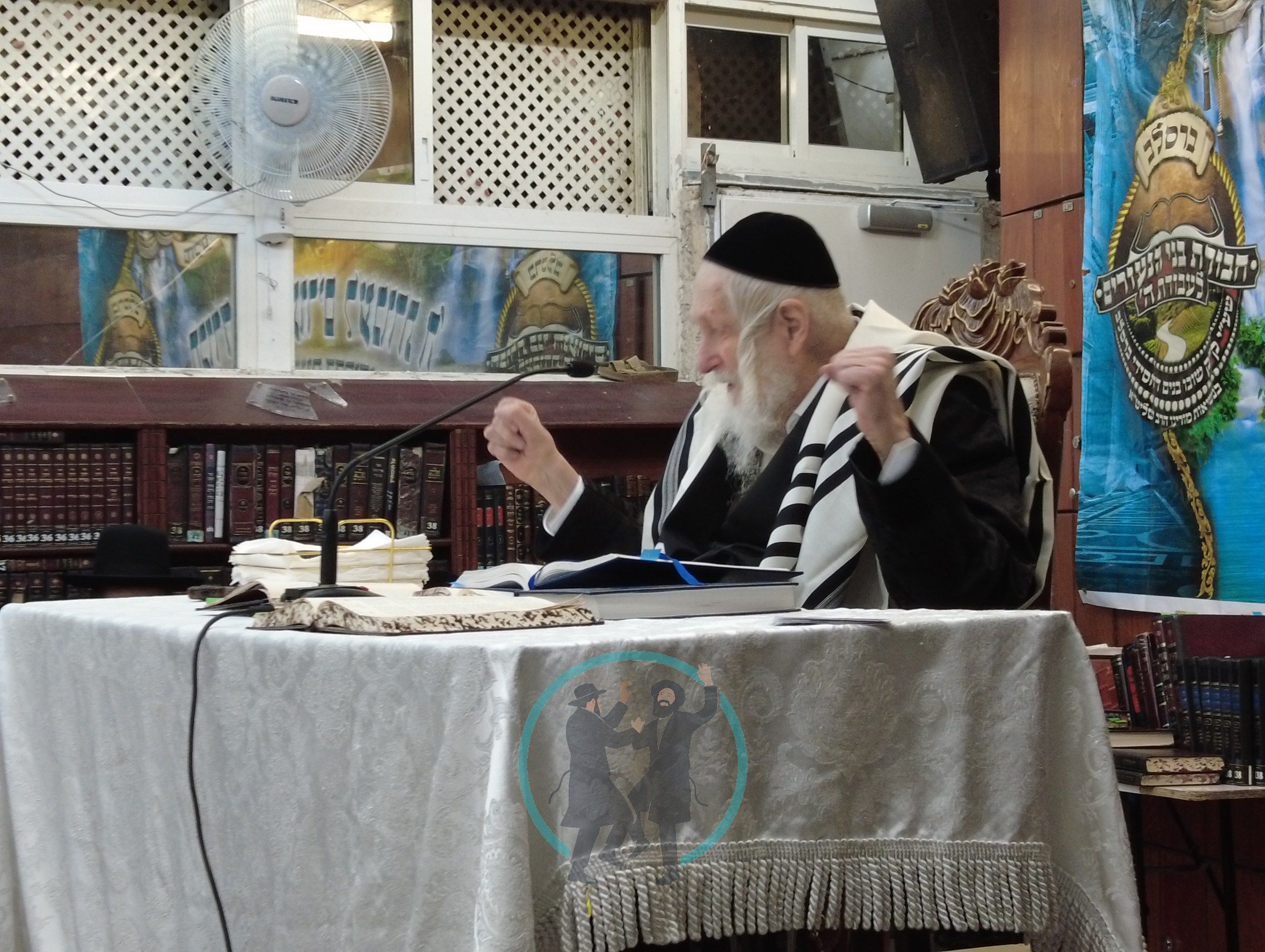
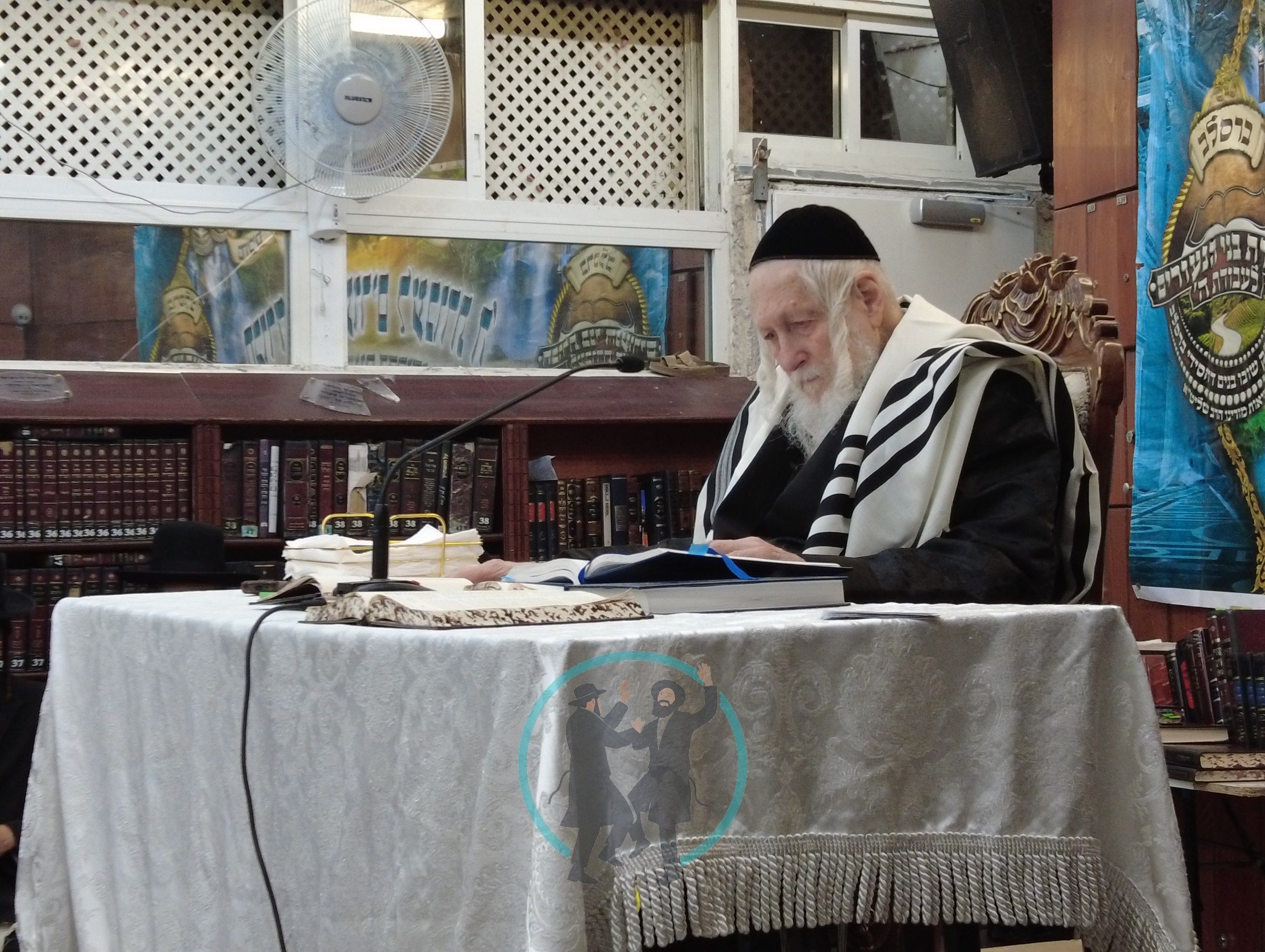
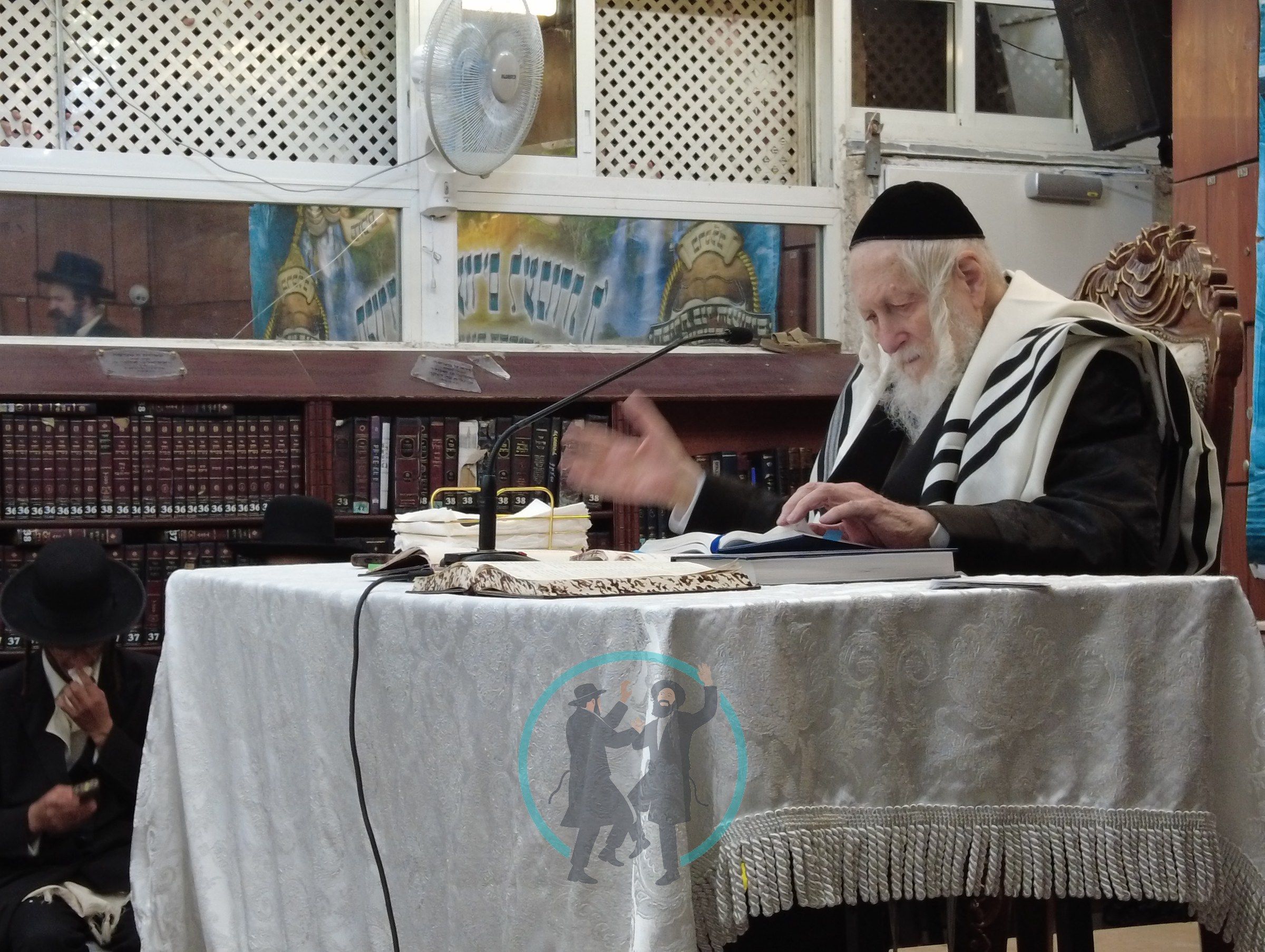
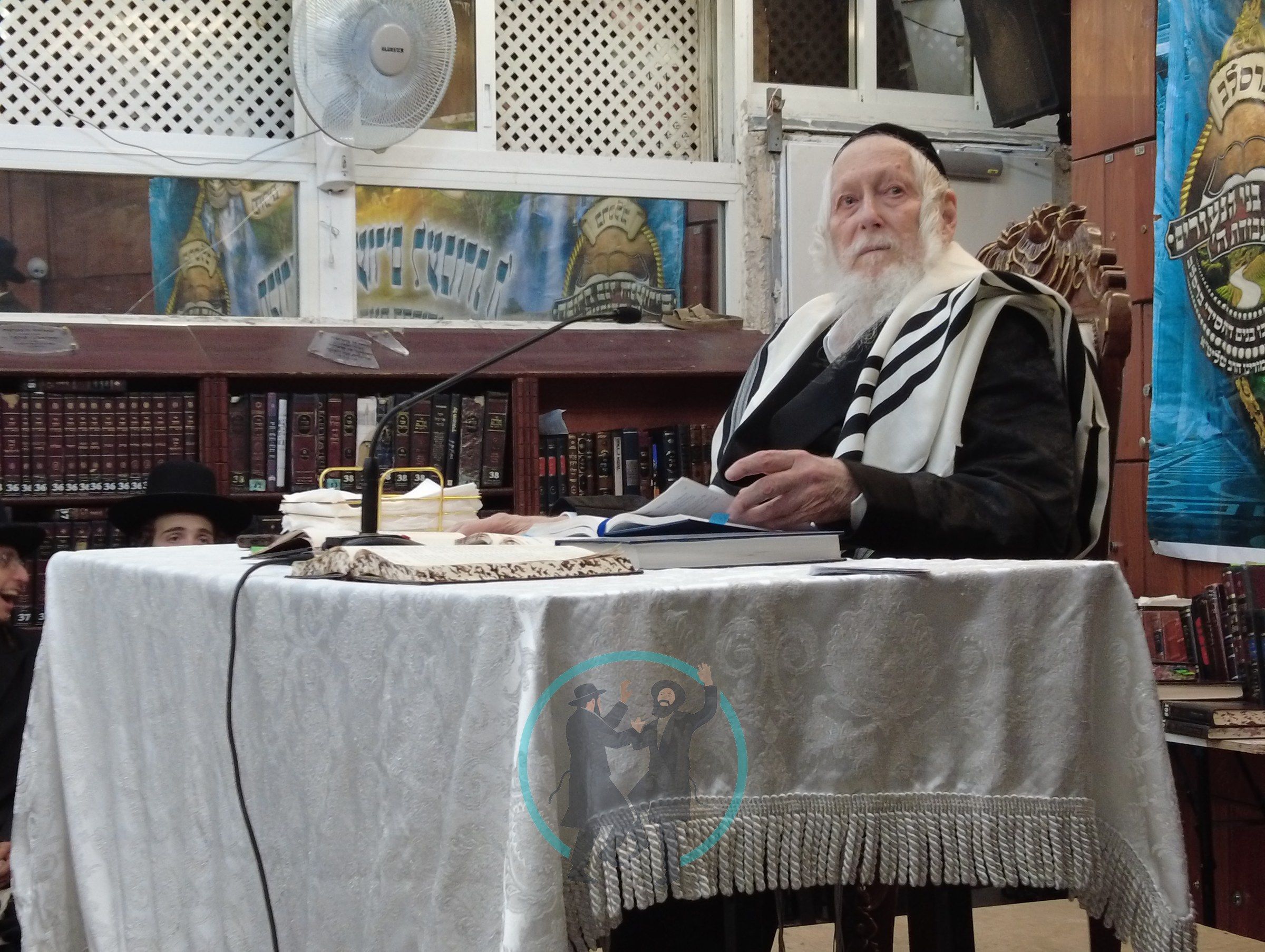
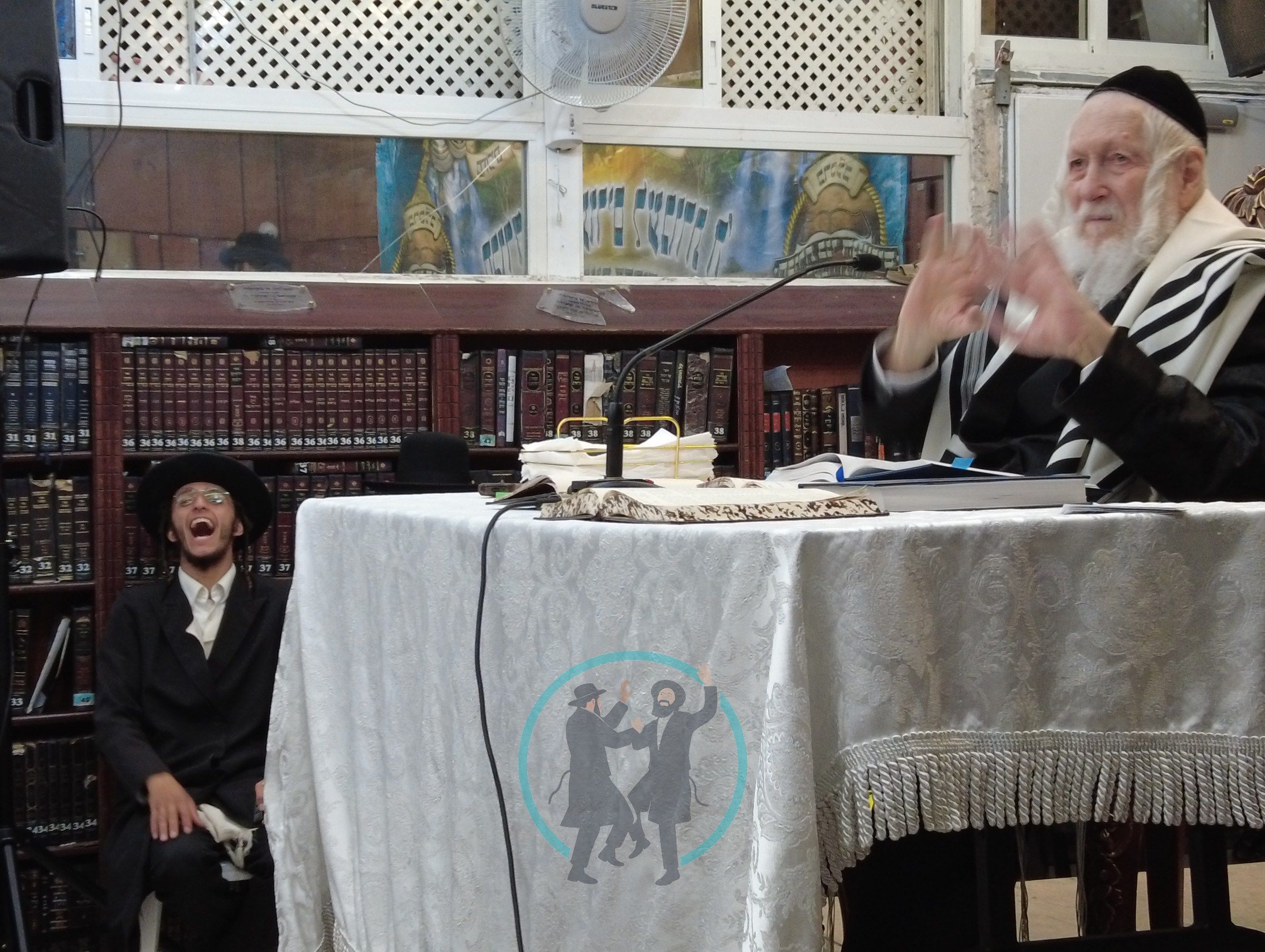
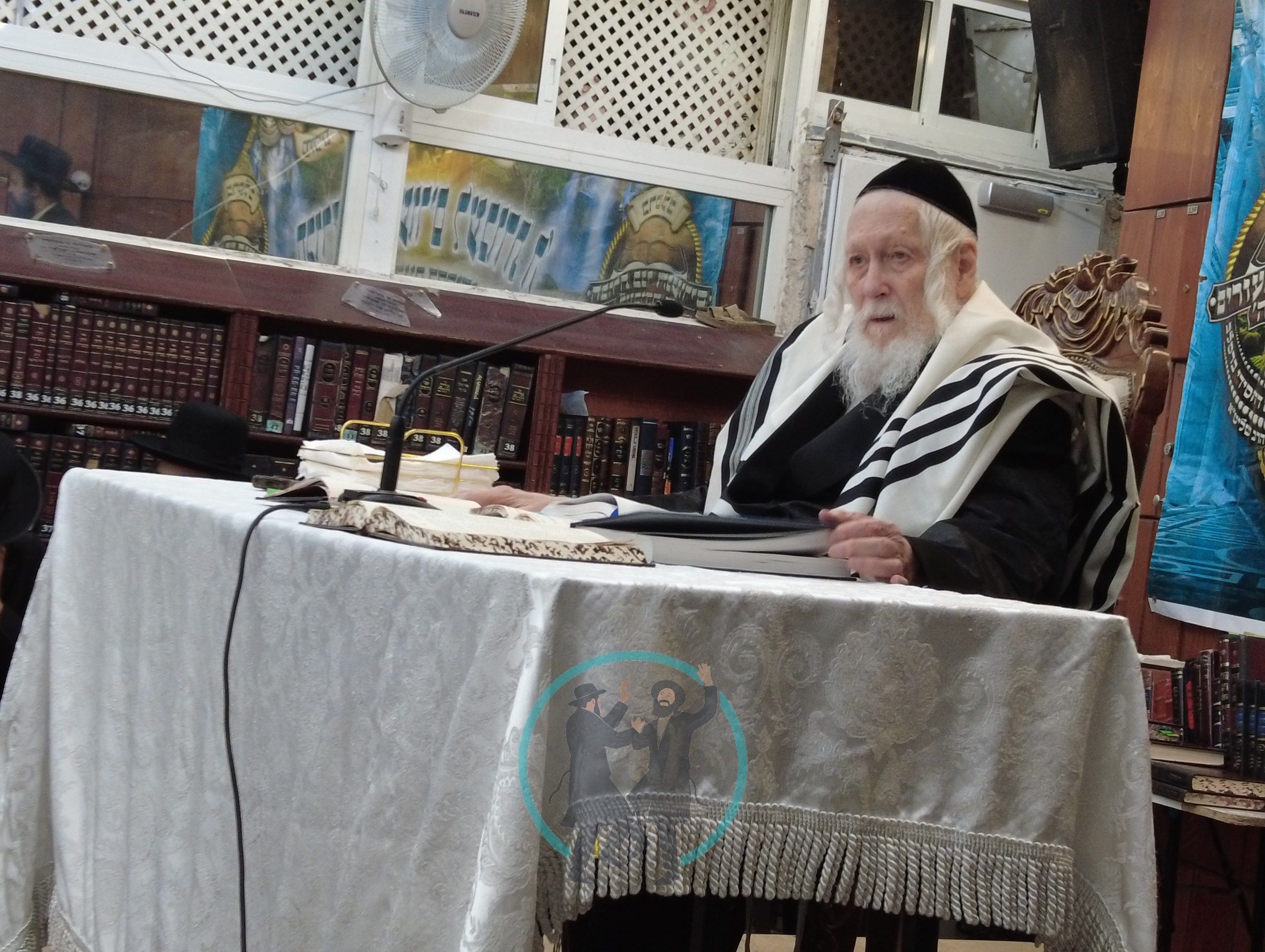
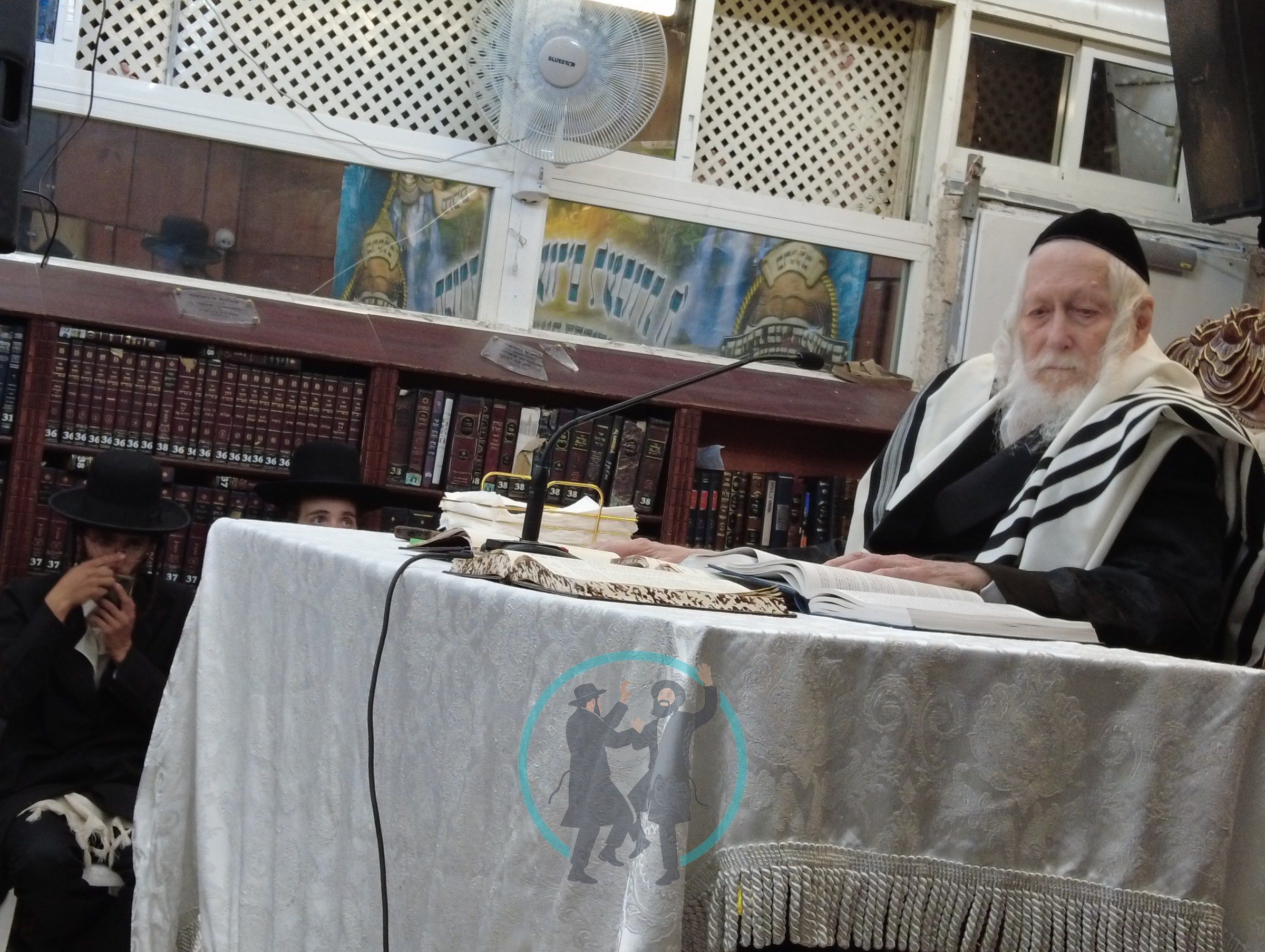
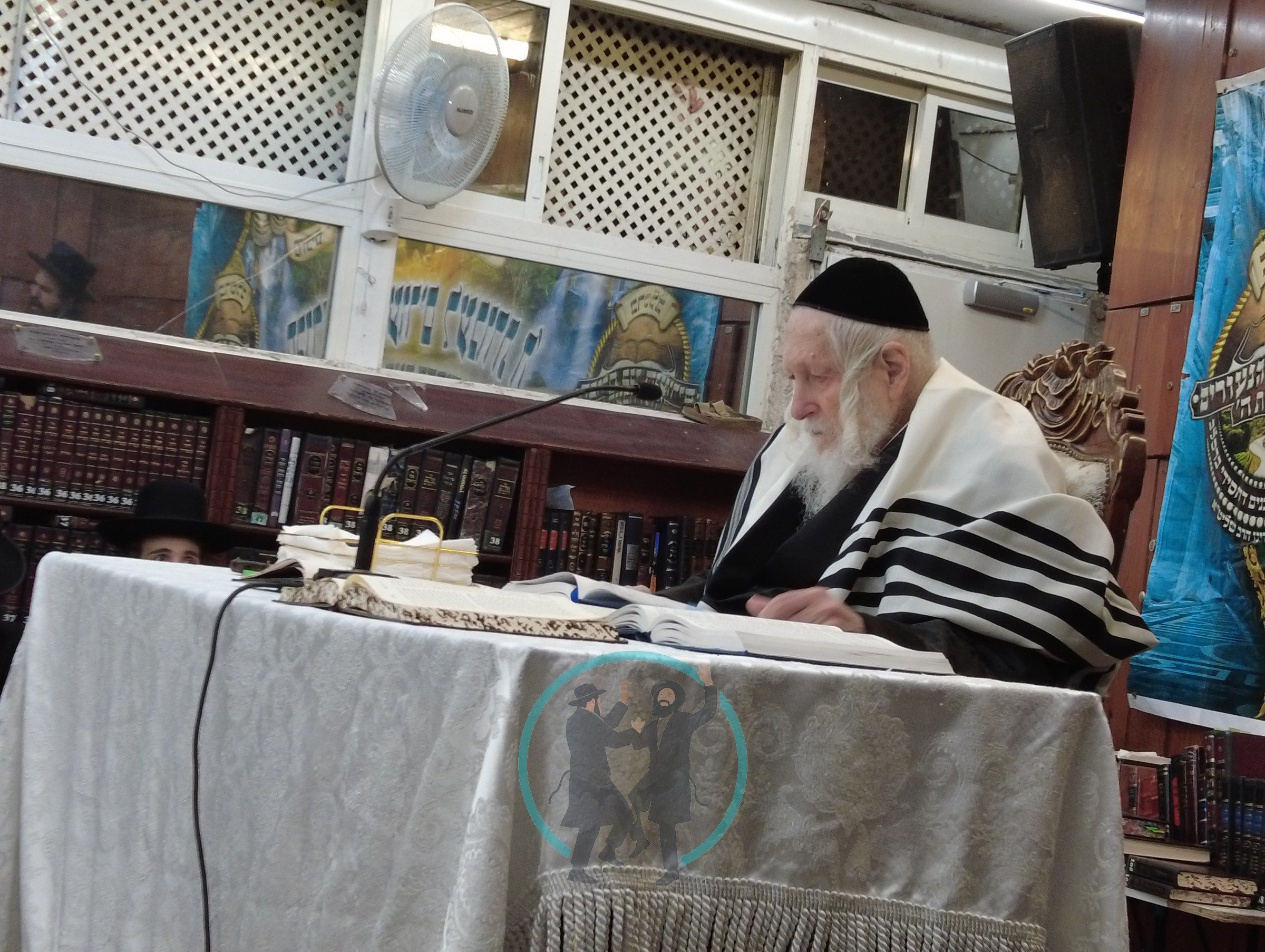
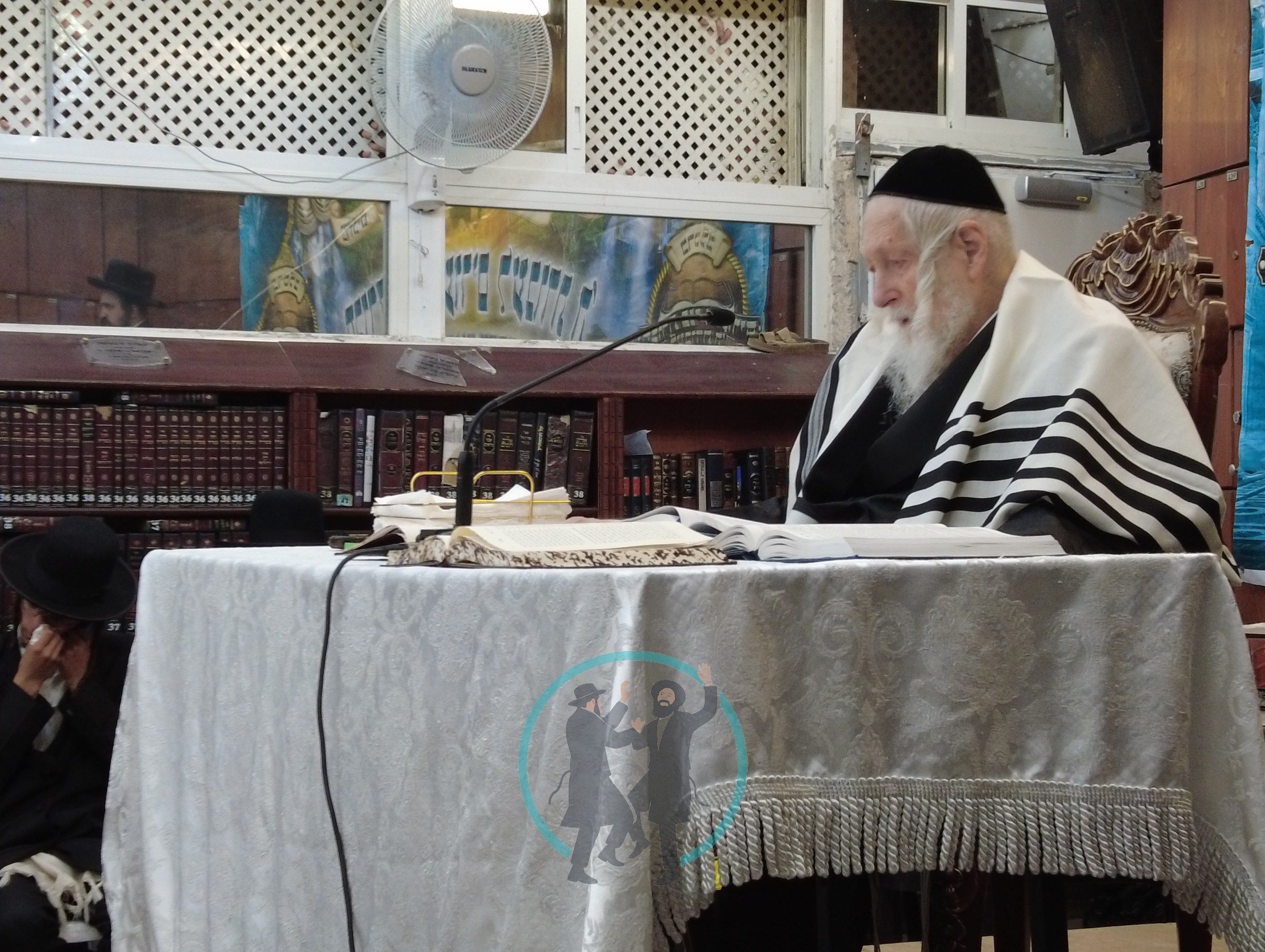
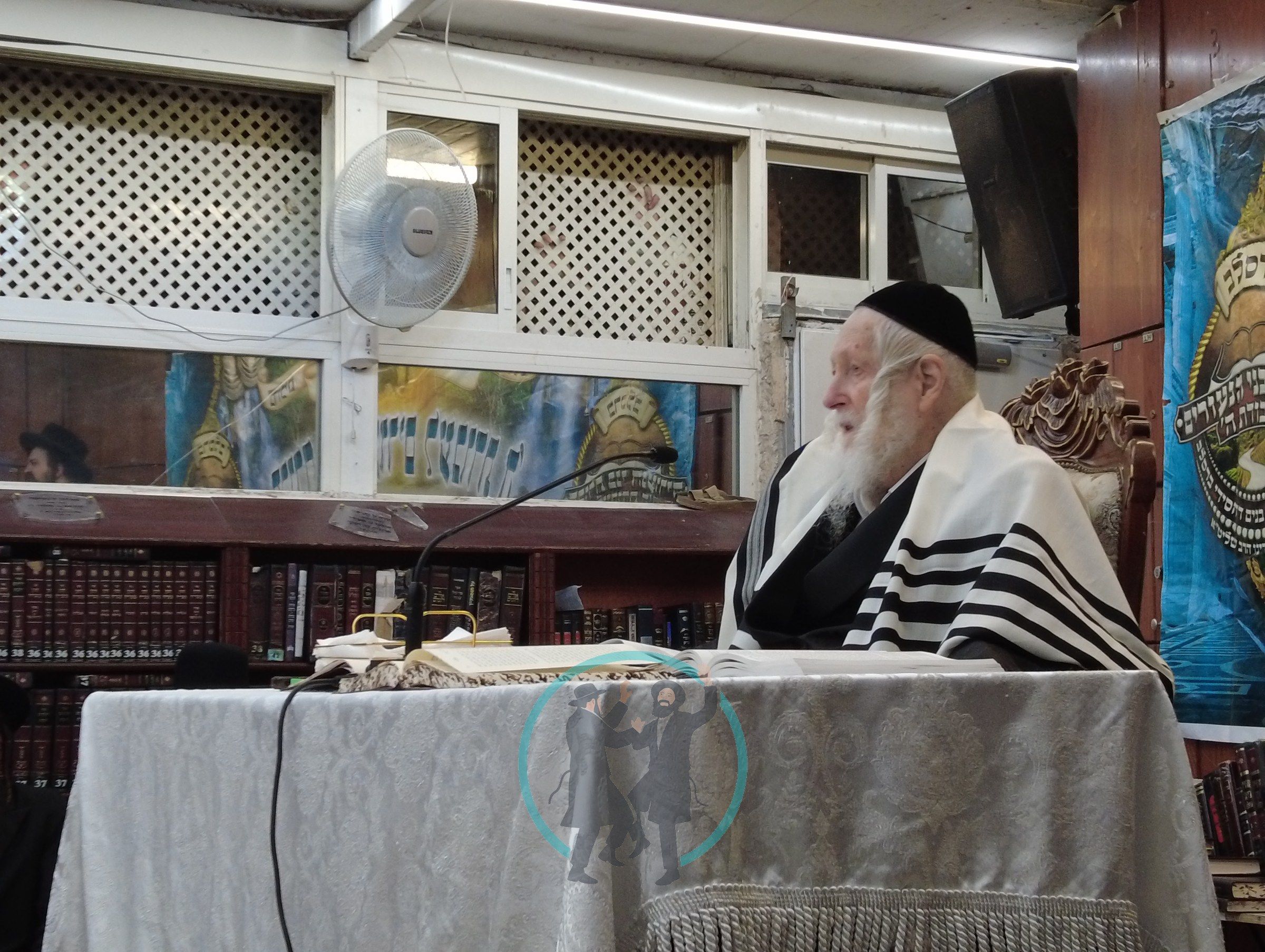
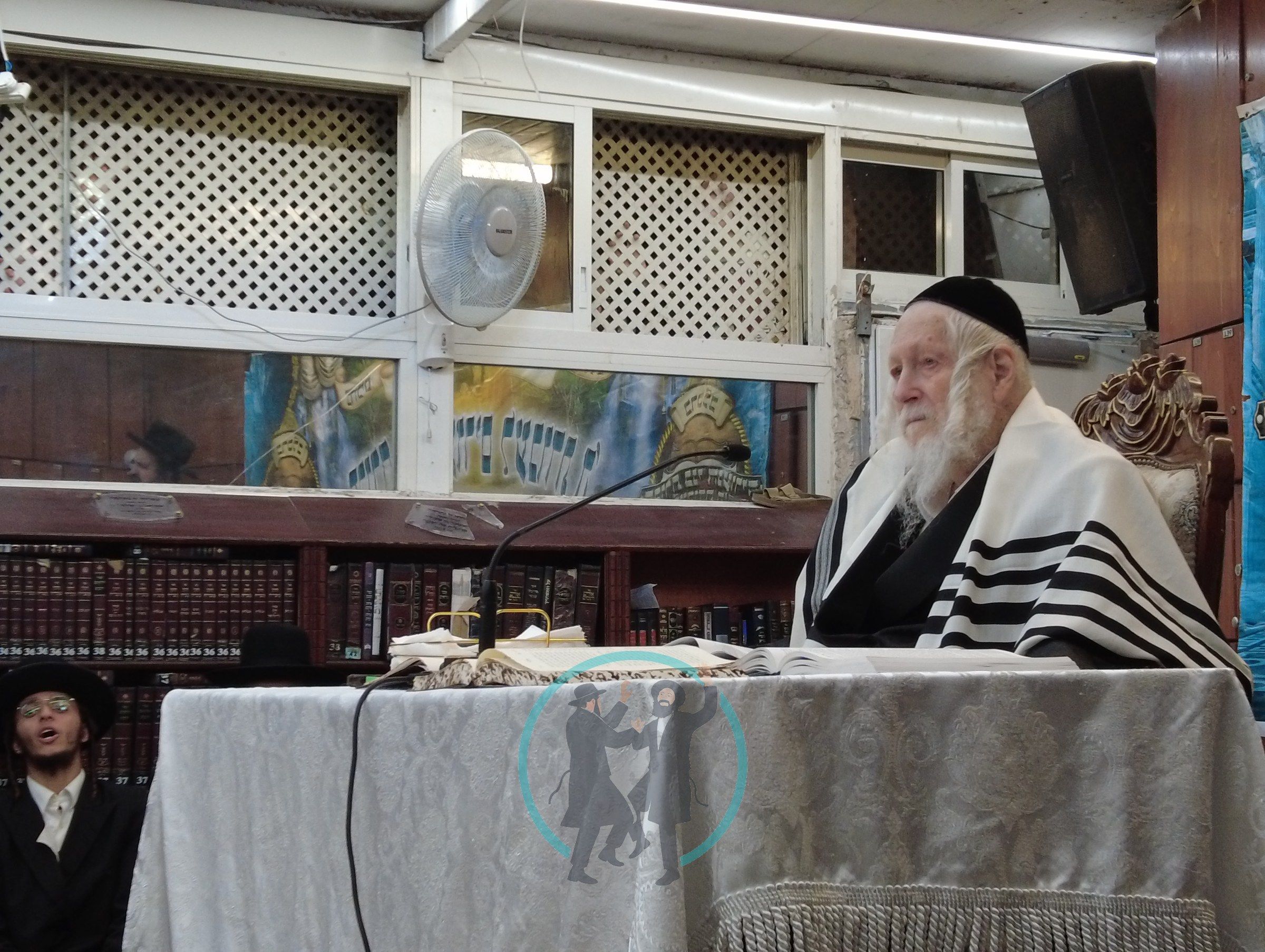
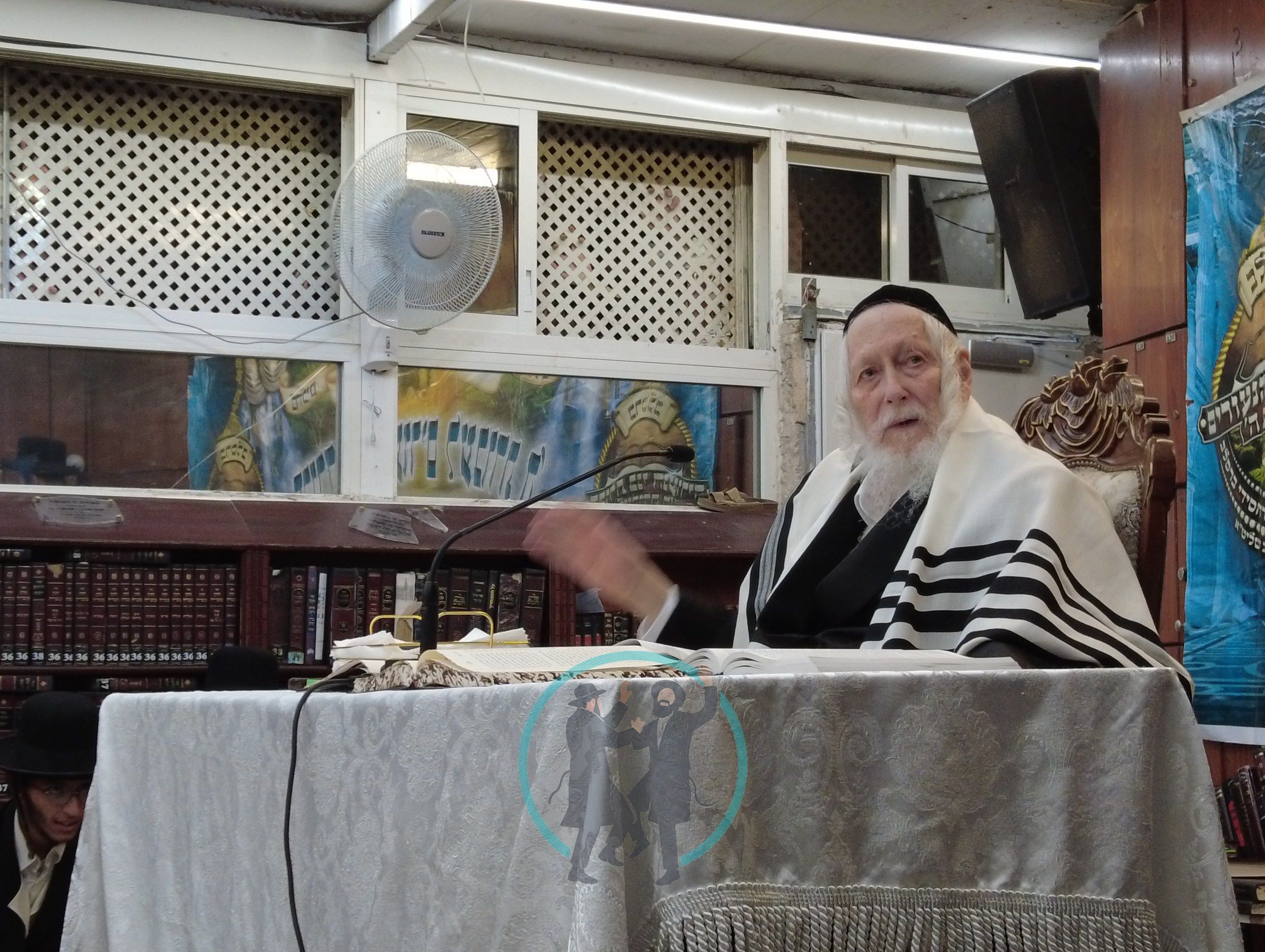
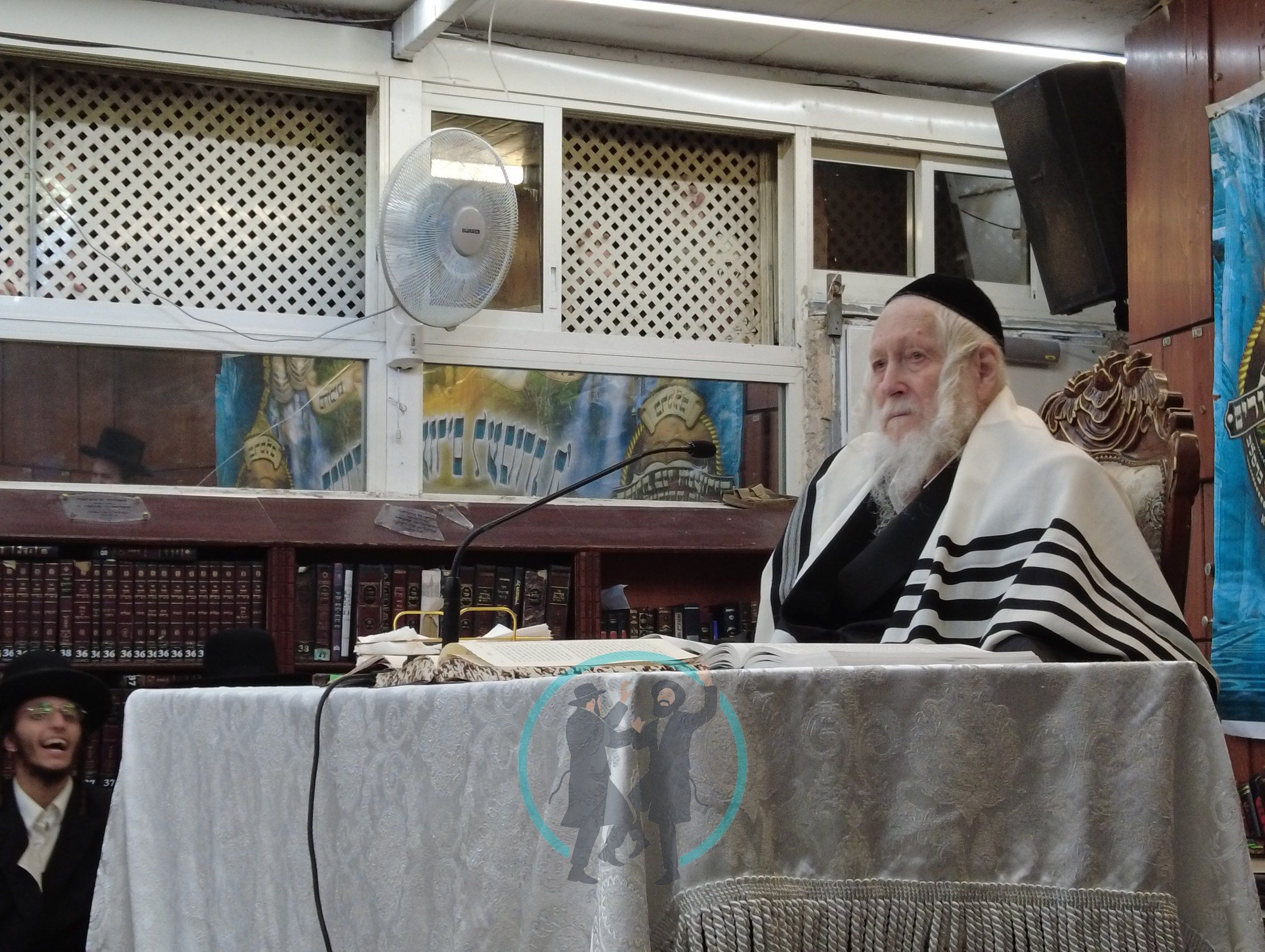
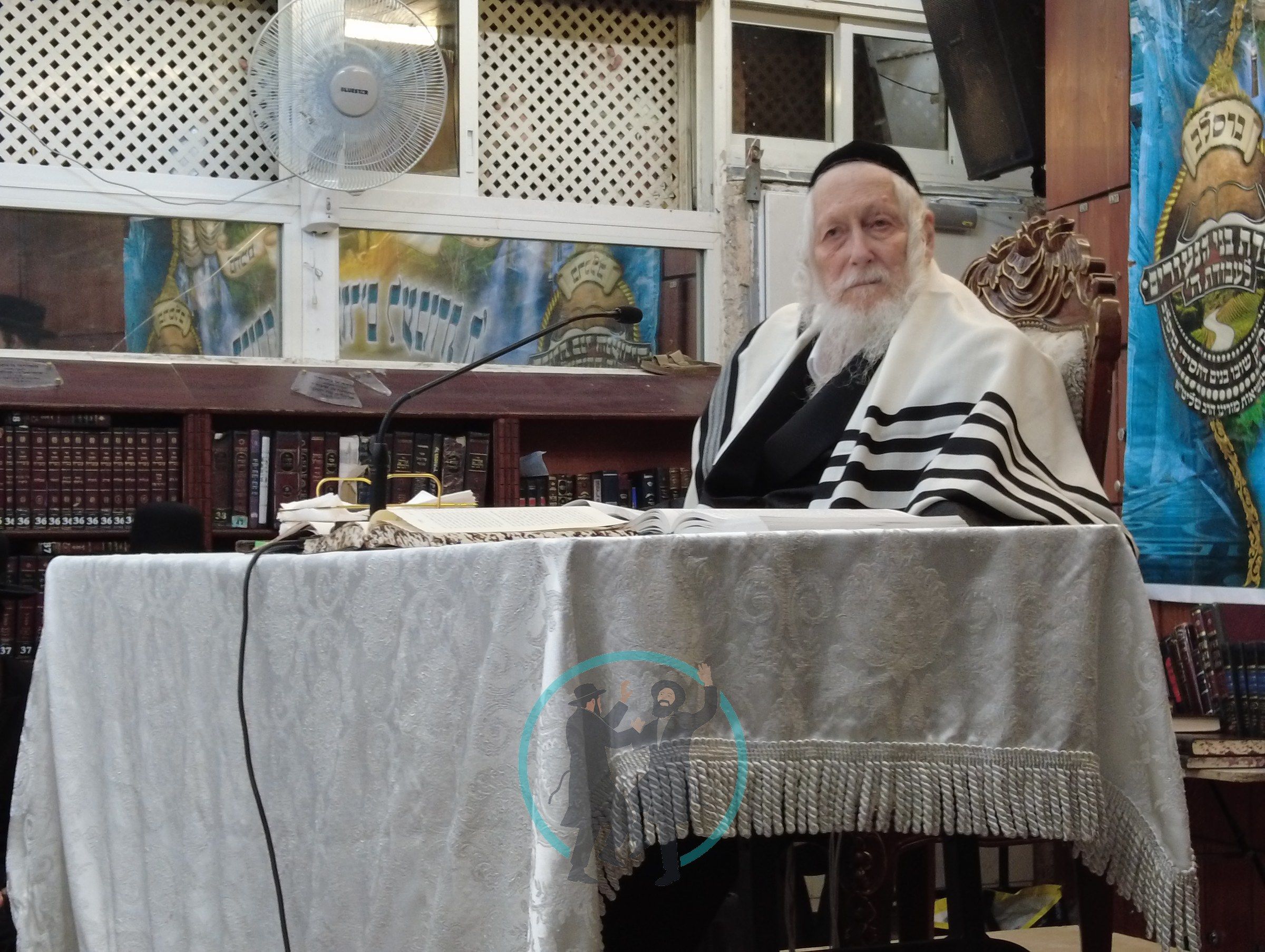
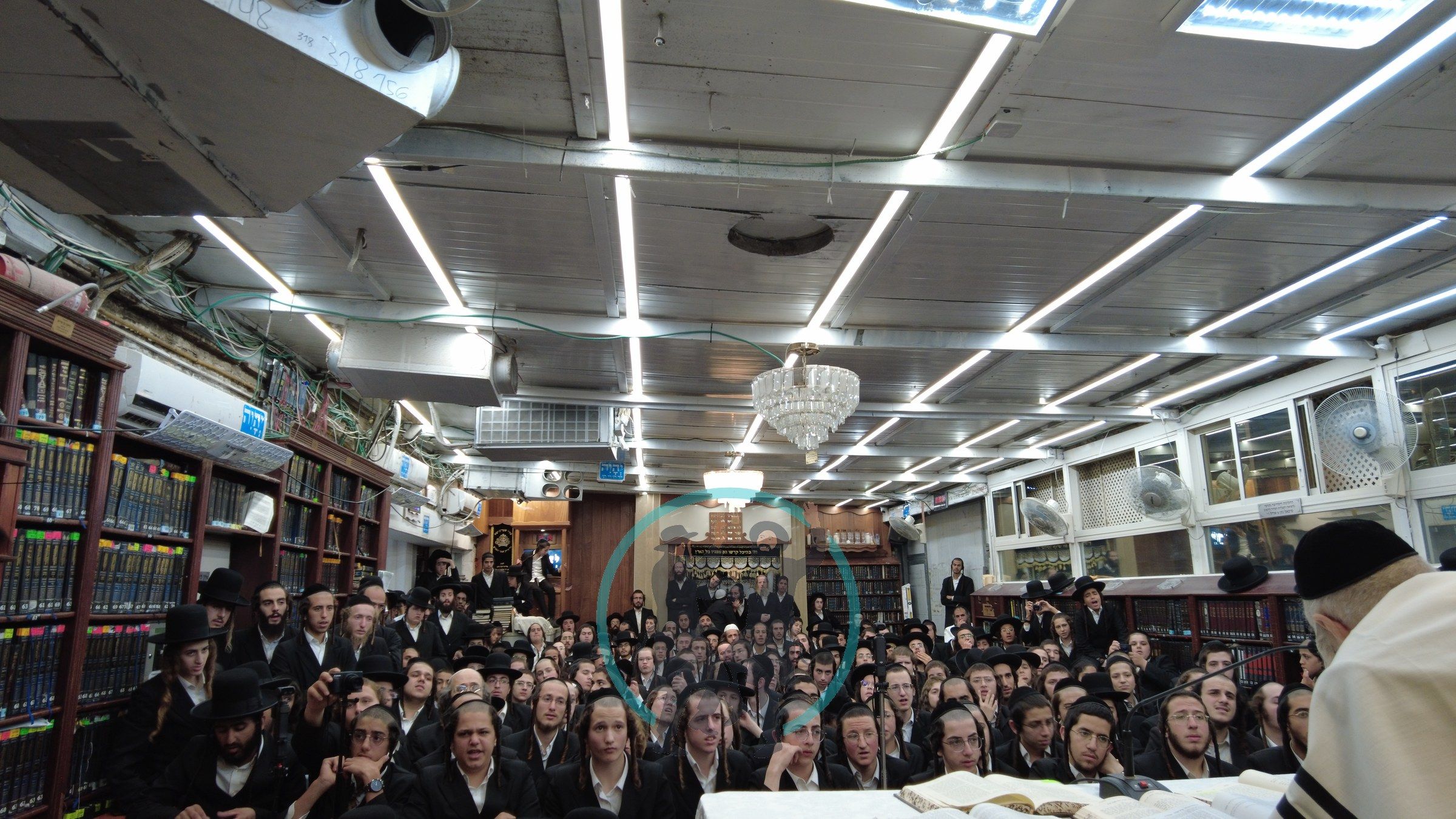
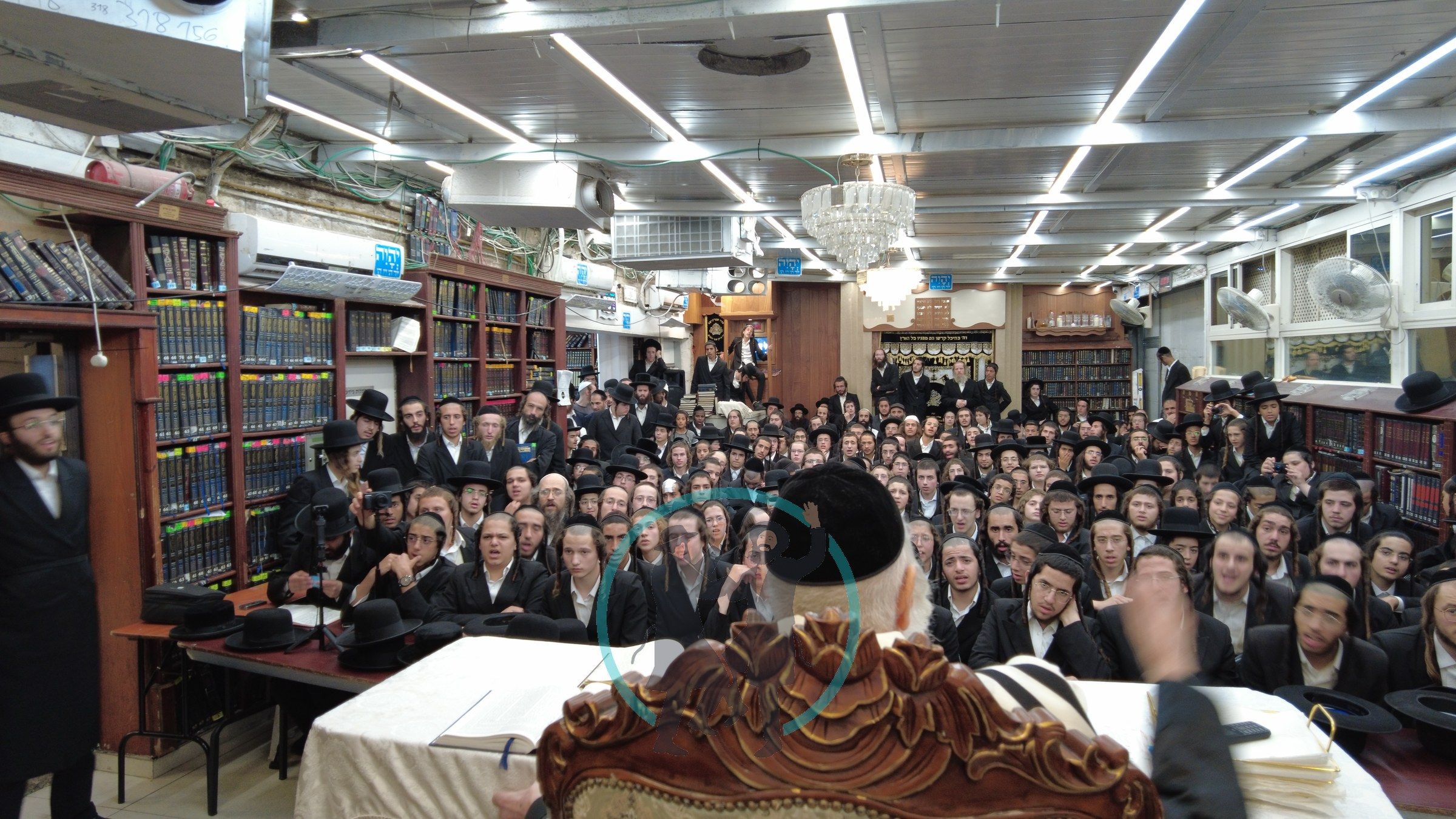
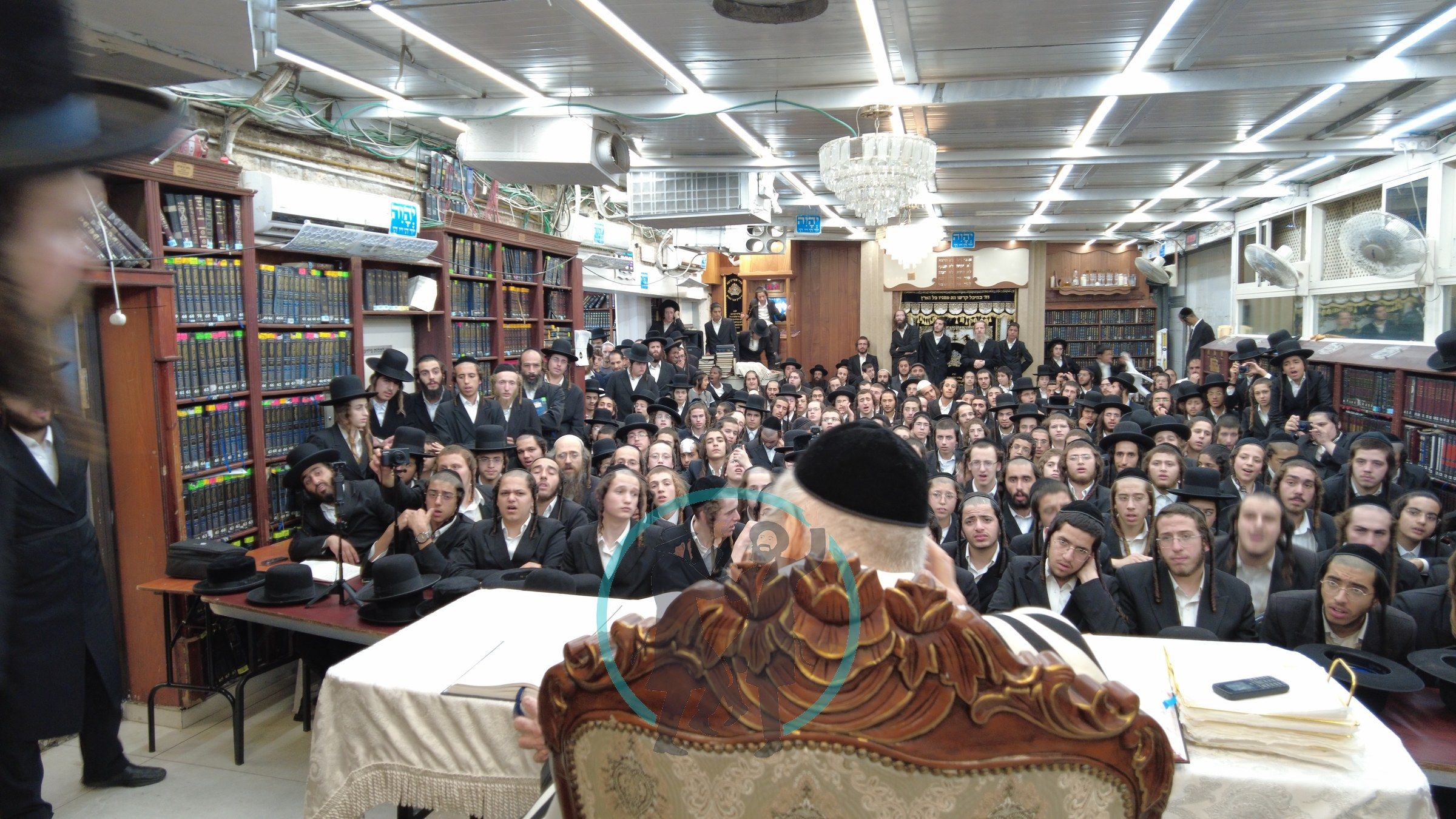
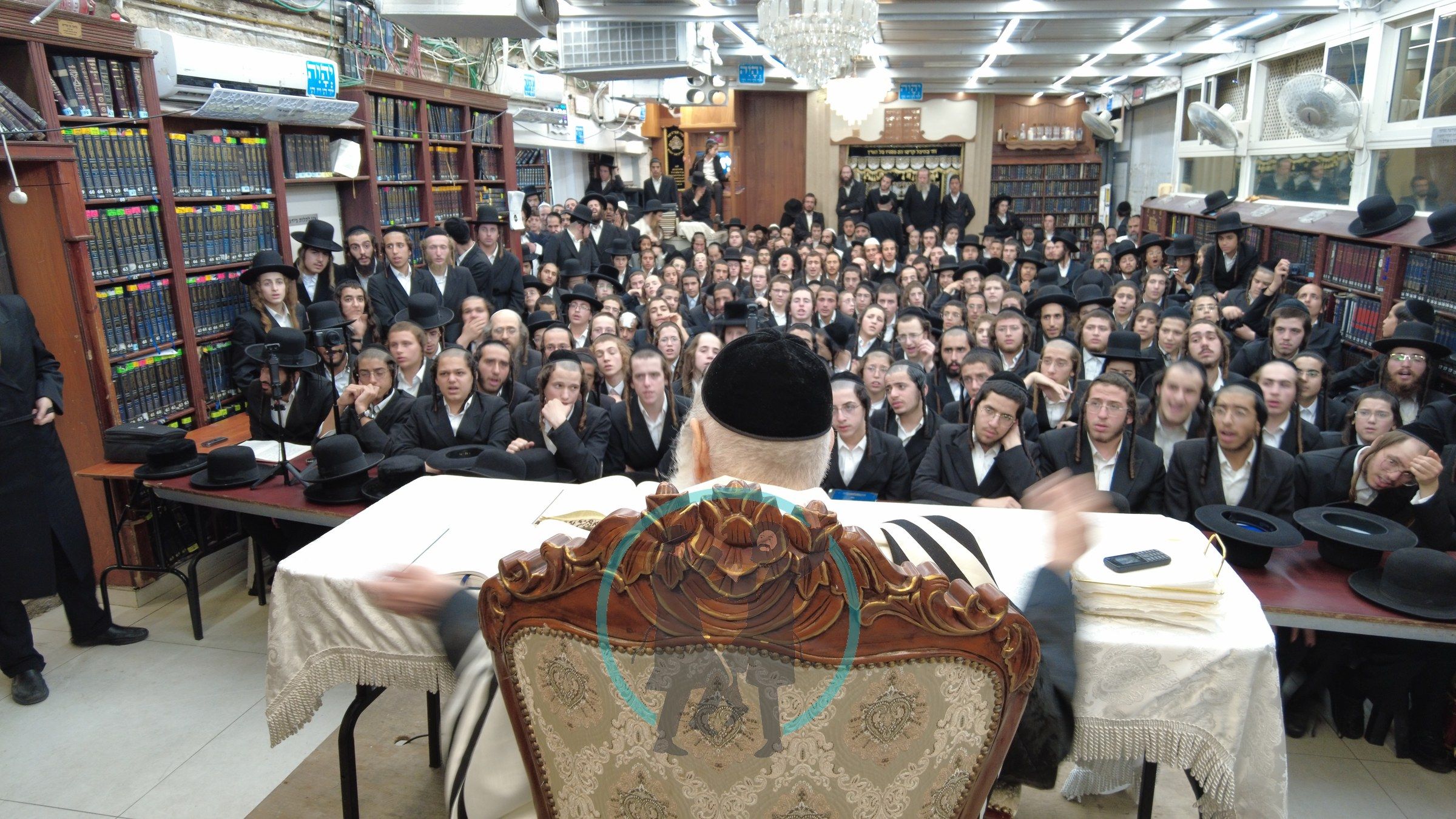
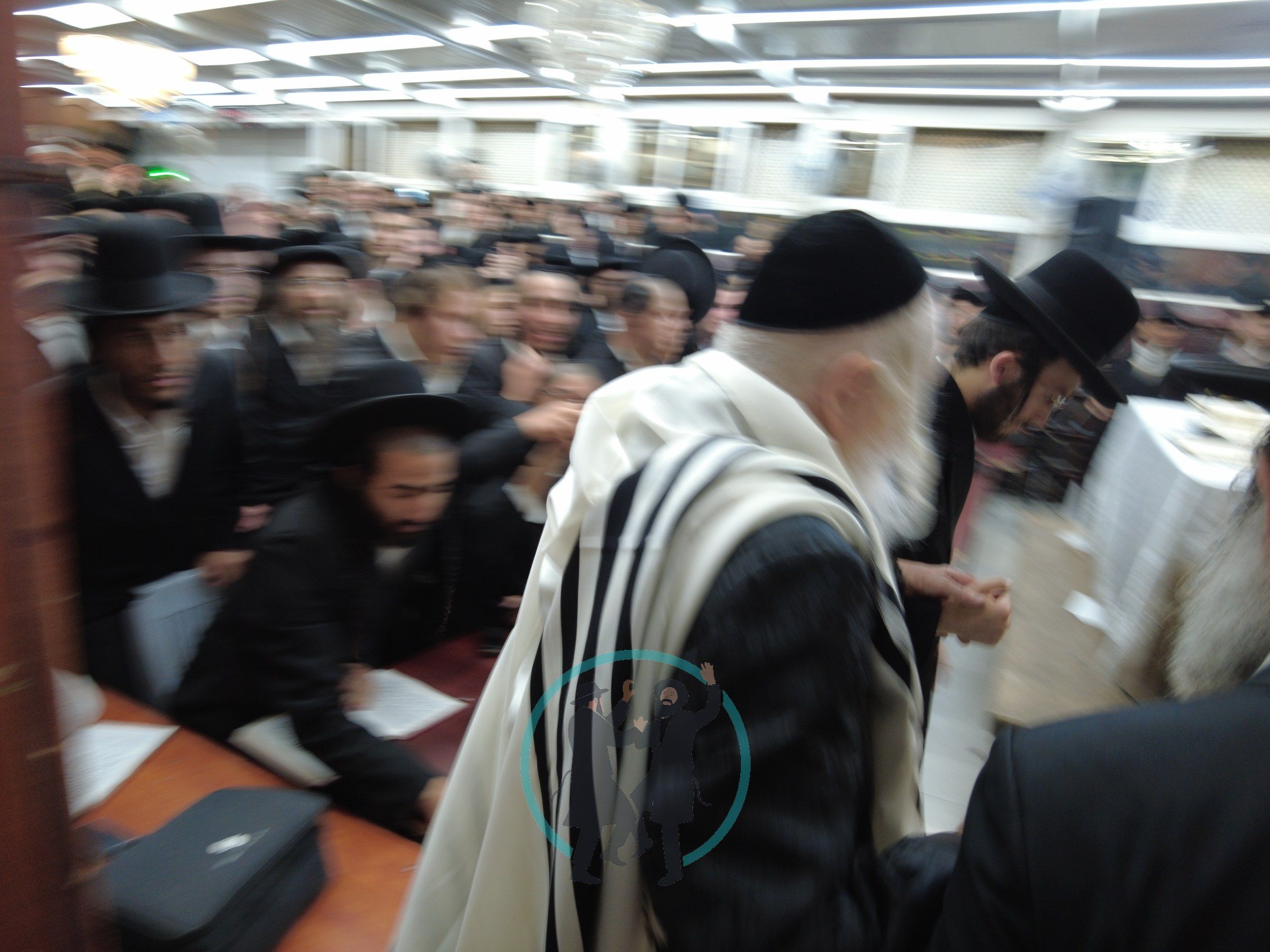
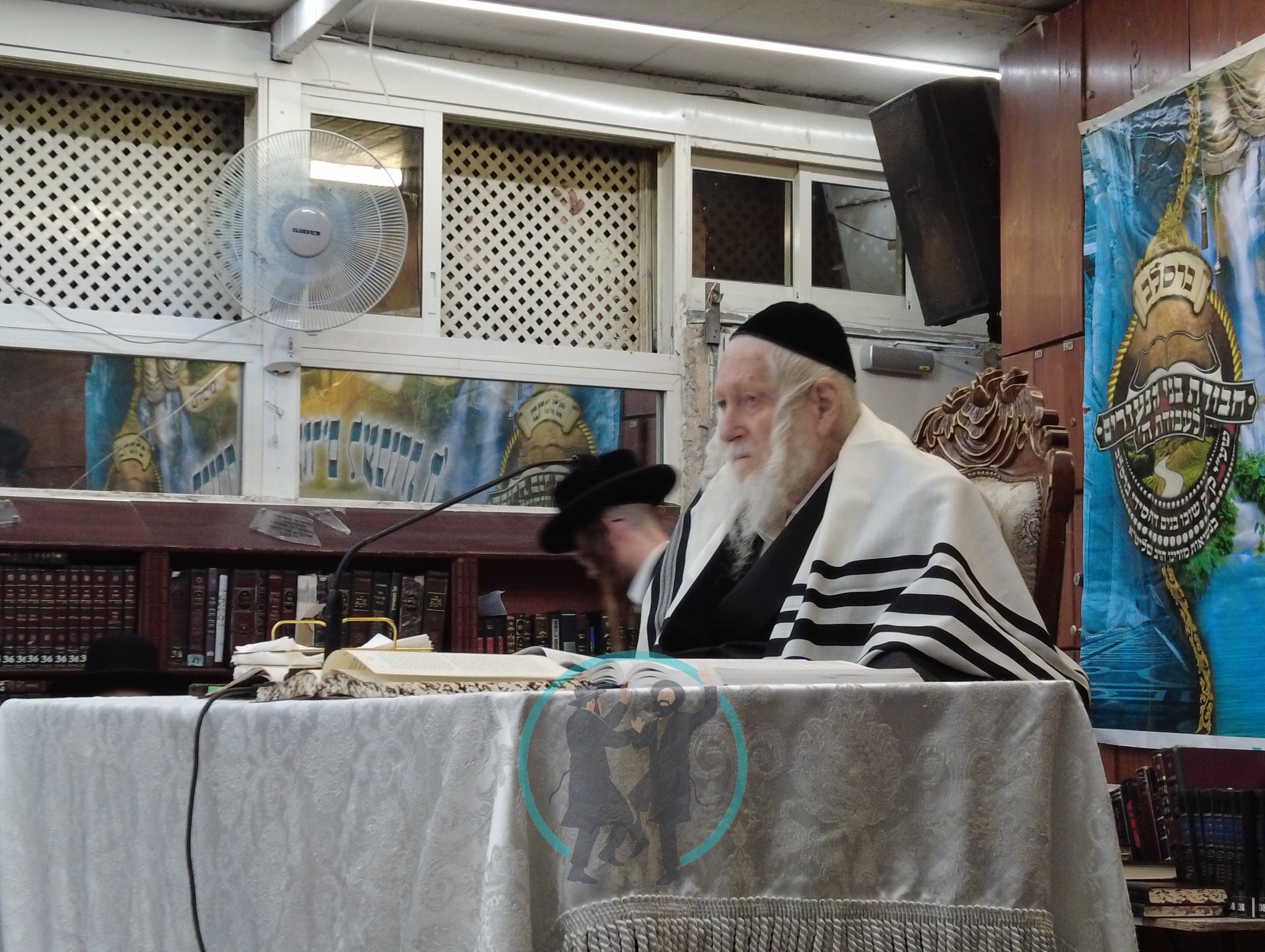
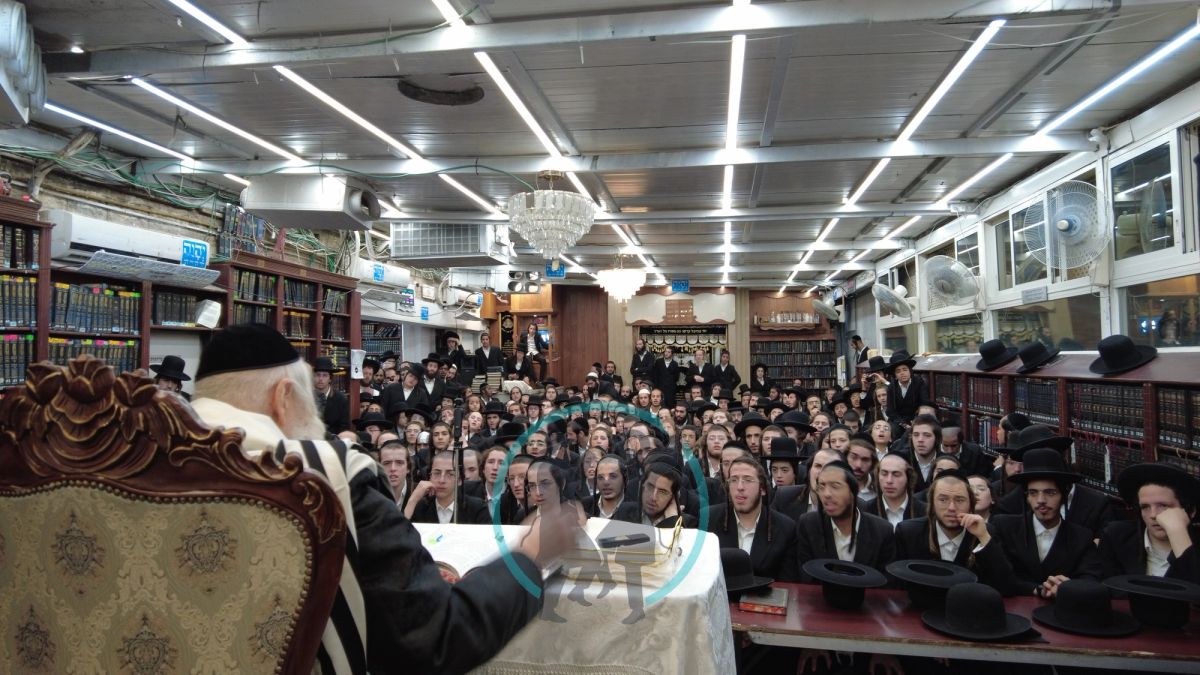
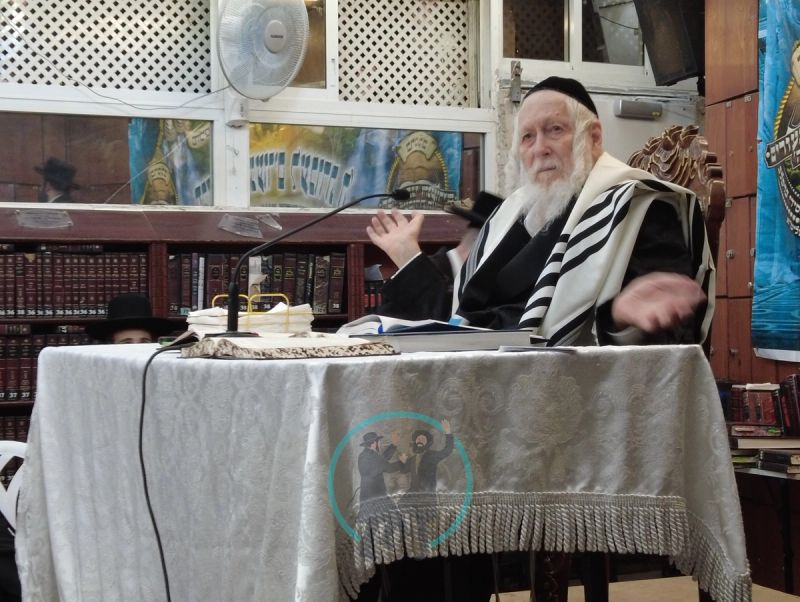
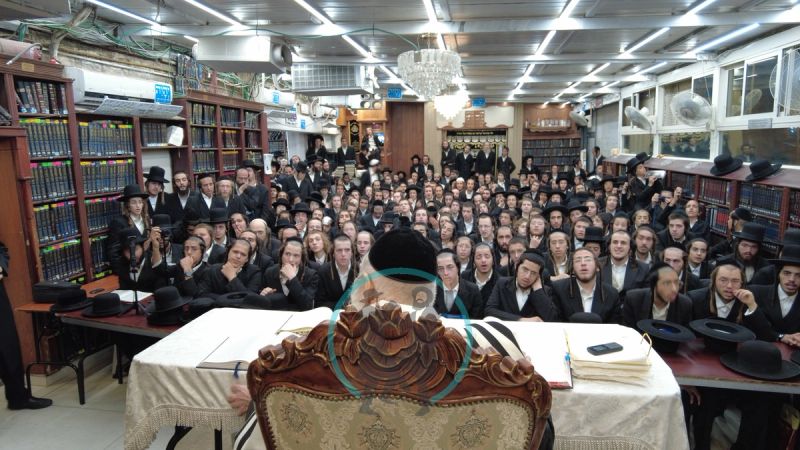
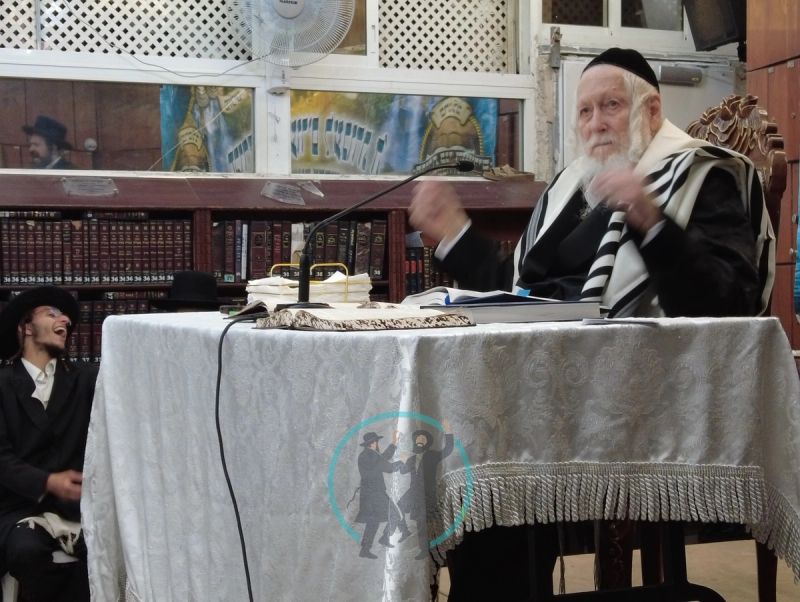
**On the 13th of Av, just a few days after Tisha B'Av and approaching Tu B'Av, the students of the Bein HaZmanim yeshiva of Rabbi Nachman Haas shlit"a gathered for a special conference in the prayer hall beneath the home of Rabbi Berland shlit"a. The hall was packed from wall to wall; the young men sang and danced with intense devotion together with the Rav. At the conclusion of the melodies, Rabbi Berland shlit"a delivered an uplifting shiur (Torah class) — about the consolation of Jerusalem which will be built from sapphires and carbuncle stones, about the greatness of one who is always a "heel," and about the foundational principle that echoed throughout the entire shiur: the main thing is to encourage, and not to cause despair.**
כנס ושיעור לבחורי ישיבת בין הזמנים עם מורנו הרב אליעזר ברלנד שליט"א · י"ג באב תשפ"ו
"The main thing is to encourage, not to cause despair"
The heart of the shiur was the Talmudic story regarding the student of Rabbi Yochanan. Rabbi Yochanan taught that in the future, the gates of Jerusalem will be built from a single precious stone measuring thirty by thirty cubits. The student mocked him, asking: Where in the world can such a precious stone be found? After all, a diamond is a small, tiny thing. Days later, it was revealed to that student that the words were true. He returned to his Rebbe and admitted, "I have seen it — you are right."
Here, Rabbi Berland shlit"a focused on a crucial point: Rabbi Yochanan did not break the student or cause him to despair. He encouraged him. "The main thing is to encourage — not to cause despair," the Rav emphasized. Even when a student makes a mistake, even when he mocks out of a lack of understanding — the way of a Rebbe is not to break, but to uplift. This was the message Rabbi Berland shlit"a imparted to the young men sitting before him: this is how a person must treat his friend, and this is how a person must treat himself — to encourage and never to cause despair.
"The main thing is to encourage — not to cause despair."
A Jerusalem of sapphires: The prophecy fulfilled literally
From here, Rabbi Berland shlit"a turned to the Haftaros of Consolation that we read during these Shabbosos — the Haftarah of Parashas Eikev, and approaching it, the Haftarah of Re'eh: "O afflicted, storm-tossed one, who has not been consoled; behold, I will set your stones in antimony, and lay your foundations with sapphires. I will make your windows of rubies, and your gates of carbuncle stones, and your entire boundary of precious stones." The future Jerusalem — its foundations are sapphires, its gates are carbuncle stones, and its entire boundary is made of precious stones.
For anyone who might think these words are merely a metaphor, the Rav showed that reality itself testifies otherwise: the largest diamond ever discovered weighs about four thousand carats — roughly half a kilogram. A single stone. Whoever mocked and said, "There is no diamond of such a size" — reality proved him wrong. The prophecy about Jerusalem being built from precious stones is not just poetic imagery; it is a truth that will be revealed before our very eyes.
"Eikev Tishma'un": He who is a heel will ultimately become a head
During the week of Parashas Eikev, Rabbi Berland shlit"a elaborated on the name of the Torah portion. The "eikev" (heel) is the lowest of the limbs, the one that treads in the dust. This was the essence of Yaakov Avinu (our Patriarch Jacob) — he was named after the heel, holding onto the heel of Esav, always at the bottom, always pushed aside. Yet ultimately, he became "Yisrael" (Israel) — a term denoting a head and sovereignty.
This is the principle that the Rav imparted to the young men: whoever humbles himself and considers himself a "heel" will ultimately be elevated and become a "head." It is specifically out of humility and lowliness that true greatness blossoms. And regarding one who takes lightly the "minor" mitzvos that a person "tramples with his heels" — about them it is said, "Eikev tishma'un" (If you will listen to the heel), for it is precisely upon these mitzvos that all the blessing depends.
"He who is always a heel — in the end, he becomes a head. From Yaakov, he becomes Yisrael."
The melodies and dances: The mitzvah of joy
The entire conference opened with melodies and dancing, and the young men sang with intense devotion alongside Rabbi Berland shlit"a for a long time. The Rav mentioned the teachings of Rebbe Nachman of Breslov regarding the mitzvah of joy and the spiritual elevation of dancing — that joy is not a secondary matter but a complete spiritual service, and when a person truly dances, it is not he who is dancing. In these days, between the mourning of Tisha B'Av and the joy of Tu B'Av, the dance itself is the consolation.
Utilizing Bein HaZmanim: "Now it is possible to learn"
Rabbi Berland shlit"a awakened the young men to utilize the days of Bein HaZmanim (yeshiva intercession) for Torah study, warning them not to let the days pass by in vain. He spoke about the Torah giants of previous generations who would diligently study Choshen Mishpat (Jewish civil law), and described the Vilna of old — where in the middle of the night, a person could walk by and see everyone sitting and studying Choshen Mishpat.
From this came a great encouragement: "Seventy years ago, when I came to the yeshiva, it was almost impossible to study the Ketzos HaChoshen — the letters were faded and crooked, and it was impossible to read." But today, the Rav said, Baruch Hashem (Thank God) everything is printed, elucidated, and open before everyone — "and one can learn for four hours every day." Anyone who has the tools available to this generation has no excuse whatsoever.
"Seventy years ago, it was impossible to read the Ketzos HaChoshen. Today — Baruch Hashem, one can study it for four hours a day."
Jews do not go anywhere without tefillin
Amidst his words, the Rav spoke about the self-sacrifice (mesirus nefesh) of Jews for tefillin. Jews went through the Holocaust and the wars and never gave up on a pair of tefillin; there was one who risked his life and retraced his steps for a long distance just to retrieve his tefillin. "Jews do not go anywhere without tefillin," Rabbi Berland shlit"a concluded. Whoever holds onto tefillin — holds onto an unbreakable covenant.
A practical message
**To encourage, not to cause despair** — this is how Rabbi Yochanan treated his student who mocked him. This is how one must treat a friend, and this is how one must treat oneself.
**The consolation is real** — Jerusalem will be built from sapphires and carbuncle stones quite literally; the prophecy is not a mere metaphor.
**Be a "heel"** — whoever holds himself in lowliness will ultimately become a head, just like Yaakov who became Yisrael.
**Utilize Bein HaZmanim** — today the holy books are open and elucidated like never before; four hours of study a day is well within reach.
**Joy and dancing** — between the mourning of Tisha B'Av and the joy of Tu B'Av, the dance itself is the consolation.
Photo gallery from the conference
Subscribe to Our Newsletter
Receive Torah articles and inspiration directly in your inbox

 A Jerusalem of sapphires: The prophecy fulfilled literally
From here, Rabbi Berland shlit"a turned to the Haftaros of Consolation that we read during these Shabbosos — the Haftarah of Parashas Eikev, and approaching it, the Haftarah of Re'eh: "O afflicted, storm-tossed one, who has not been consoled; behold, I will set your stones in antimony, and lay your foundations with sapphires. I will make your windows of rubies, and your gates of carbuncle stones, and your entire boundary of precious stones." The future Jerusalem — its foundations are sapphires, its gates are carbuncle stones, and its entire boundary is made of precious stones.
For anyone who might think these words are merely a metaphor, the Rav showed that reality itself testifies otherwise: the largest diamond ever discovered weighs about four thousand carats — roughly half a kilogram. A single stone. Whoever mocked and said, "There is no diamond of such a size" — reality proved him wrong. The prophecy about Jerusalem being built from precious stones is not just poetic imagery; it is a truth that will be revealed before our very eyes.
A Jerusalem of sapphires: The prophecy fulfilled literally
From here, Rabbi Berland shlit"a turned to the Haftaros of Consolation that we read during these Shabbosos — the Haftarah of Parashas Eikev, and approaching it, the Haftarah of Re'eh: "O afflicted, storm-tossed one, who has not been consoled; behold, I will set your stones in antimony, and lay your foundations with sapphires. I will make your windows of rubies, and your gates of carbuncle stones, and your entire boundary of precious stones." The future Jerusalem — its foundations are sapphires, its gates are carbuncle stones, and its entire boundary is made of precious stones.
For anyone who might think these words are merely a metaphor, the Rav showed that reality itself testifies otherwise: the largest diamond ever discovered weighs about four thousand carats — roughly half a kilogram. A single stone. Whoever mocked and said, "There is no diamond of such a size" — reality proved him wrong. The prophecy about Jerusalem being built from precious stones is not just poetic imagery; it is a truth that will be revealed before our very eyes.
 "Eikev Tishma'un": He who is a heel will ultimately become a head
During the week of Parashas Eikev, Rabbi Berland shlit"a elaborated on the name of the Torah portion. The "eikev" (heel) is the lowest of the limbs, the one that treads in the dust. This was the essence of Yaakov Avinu (our Patriarch Jacob) — he was named after the heel, holding onto the heel of Esav, always at the bottom, always pushed aside. Yet ultimately, he became "Yisrael" (Israel) — a term denoting a head and sovereignty.
This is the principle that the Rav imparted to the young men: whoever humbles himself and considers himself a "heel" will ultimately be elevated and become a "head." It is specifically out of humility and lowliness that true greatness blossoms. And regarding one who takes lightly the "minor" mitzvos that a person "tramples with his heels" — about them it is said, "Eikev tishma'un" (If you will listen to the heel), for it is precisely upon these mitzvos that all the blessing depends.
"He who is always a heel — in the end, he becomes a head. From Yaakov, he becomes Yisrael."
The melodies and dances: The mitzvah of joy
The entire conference opened with melodies and dancing, and the young men sang with intense devotion alongside Rabbi Berland shlit"a for a long time. The Rav mentioned the teachings of Rebbe Nachman of Breslov regarding the mitzvah of joy and the spiritual elevation of dancing — that joy is not a secondary matter but a complete spiritual service, and when a person truly dances, it is not he who is dancing. In these days, between the mourning of Tisha B'Av and the joy of Tu B'Av, the dance itself is the consolation.
"Eikev Tishma'un": He who is a heel will ultimately become a head
During the week of Parashas Eikev, Rabbi Berland shlit"a elaborated on the name of the Torah portion. The "eikev" (heel) is the lowest of the limbs, the one that treads in the dust. This was the essence of Yaakov Avinu (our Patriarch Jacob) — he was named after the heel, holding onto the heel of Esav, always at the bottom, always pushed aside. Yet ultimately, he became "Yisrael" (Israel) — a term denoting a head and sovereignty.
This is the principle that the Rav imparted to the young men: whoever humbles himself and considers himself a "heel" will ultimately be elevated and become a "head." It is specifically out of humility and lowliness that true greatness blossoms. And regarding one who takes lightly the "minor" mitzvos that a person "tramples with his heels" — about them it is said, "Eikev tishma'un" (If you will listen to the heel), for it is precisely upon these mitzvos that all the blessing depends.
"He who is always a heel — in the end, he becomes a head. From Yaakov, he becomes Yisrael."
The melodies and dances: The mitzvah of joy
The entire conference opened with melodies and dancing, and the young men sang with intense devotion alongside Rabbi Berland shlit"a for a long time. The Rav mentioned the teachings of Rebbe Nachman of Breslov regarding the mitzvah of joy and the spiritual elevation of dancing — that joy is not a secondary matter but a complete spiritual service, and when a person truly dances, it is not he who is dancing. In these days, between the mourning of Tisha B'Av and the joy of Tu B'Av, the dance itself is the consolation.
 Utilizing Bein HaZmanim: "Now it is possible to learn"
Rabbi Berland shlit"a awakened the young men to utilize the days of Bein HaZmanim (yeshiva intercession) for Torah study, warning them not to let the days pass by in vain. He spoke about the Torah giants of previous generations who would diligently study Choshen Mishpat (Jewish civil law), and described the Vilna of old — where in the middle of the night, a person could walk by and see everyone sitting and studying Choshen Mishpat.
From this came a great encouragement: "Seventy years ago, when I came to the yeshiva, it was almost impossible to study the Ketzos HaChoshen — the letters were faded and crooked, and it was impossible to read." But today, the Rav said, Baruch Hashem (Thank God) everything is printed, elucidated, and open before everyone — "and one can learn for four hours every day." Anyone who has the tools available to this generation has no excuse whatsoever.
"Seventy years ago, it was impossible to read the Ketzos HaChoshen. Today — Baruch Hashem, one can study it for four hours a day."
Jews do not go anywhere without tefillin
Amidst his words, the Rav spoke about the self-sacrifice (mesirus nefesh) of Jews for tefillin. Jews went through the Holocaust and the wars and never gave up on a pair of tefillin; there was one who risked his life and retraced his steps for a long distance just to retrieve his tefillin. "Jews do not go anywhere without tefillin," Rabbi Berland shlit"a concluded. Whoever holds onto tefillin — holds onto an unbreakable covenant.
A practical message
**To encourage, not to cause despair** — this is how Rabbi Yochanan treated his student who mocked him. This is how one must treat a friend, and this is how one must treat oneself.
**The consolation is real** — Jerusalem will be built from sapphires and carbuncle stones quite literally; the prophecy is not a mere metaphor.
**Be a "heel"** — whoever holds himself in lowliness will ultimately become a head, just like Yaakov who became Yisrael.
**Utilize Bein HaZmanim** — today the holy books are open and elucidated like never before; four hours of study a day is well within reach.
**Joy and dancing** — between the mourning of Tisha B'Av and the joy of Tu B'Av, the dance itself is the consolation.
Photo gallery from the conference
Utilizing Bein HaZmanim: "Now it is possible to learn"
Rabbi Berland shlit"a awakened the young men to utilize the days of Bein HaZmanim (yeshiva intercession) for Torah study, warning them not to let the days pass by in vain. He spoke about the Torah giants of previous generations who would diligently study Choshen Mishpat (Jewish civil law), and described the Vilna of old — where in the middle of the night, a person could walk by and see everyone sitting and studying Choshen Mishpat.
From this came a great encouragement: "Seventy years ago, when I came to the yeshiva, it was almost impossible to study the Ketzos HaChoshen — the letters were faded and crooked, and it was impossible to read." But today, the Rav said, Baruch Hashem (Thank God) everything is printed, elucidated, and open before everyone — "and one can learn for four hours every day." Anyone who has the tools available to this generation has no excuse whatsoever.
"Seventy years ago, it was impossible to read the Ketzos HaChoshen. Today — Baruch Hashem, one can study it for four hours a day."
Jews do not go anywhere without tefillin
Amidst his words, the Rav spoke about the self-sacrifice (mesirus nefesh) of Jews for tefillin. Jews went through the Holocaust and the wars and never gave up on a pair of tefillin; there was one who risked his life and retraced his steps for a long distance just to retrieve his tefillin. "Jews do not go anywhere without tefillin," Rabbi Berland shlit"a concluded. Whoever holds onto tefillin — holds onto an unbreakable covenant.
A practical message
**To encourage, not to cause despair** — this is how Rabbi Yochanan treated his student who mocked him. This is how one must treat a friend, and this is how one must treat oneself.
**The consolation is real** — Jerusalem will be built from sapphires and carbuncle stones quite literally; the prophecy is not a mere metaphor.
**Be a "heel"** — whoever holds himself in lowliness will ultimately become a head, just like Yaakov who became Yisrael.
**Utilize Bein HaZmanim** — today the holy books are open and elucidated like never before; four hours of study a day is well within reach.
**Joy and dancing** — between the mourning of Tisha B'Av and the joy of Tu B'Av, the dance itself is the consolation.
Photo gallery from the conference