
Chochma V'Daas Yeshiva, Class 3: Rabbi Eliezer Berland shlit"a on the Greatness of Torah Study, Keeping the Kippah, and Love of the Home
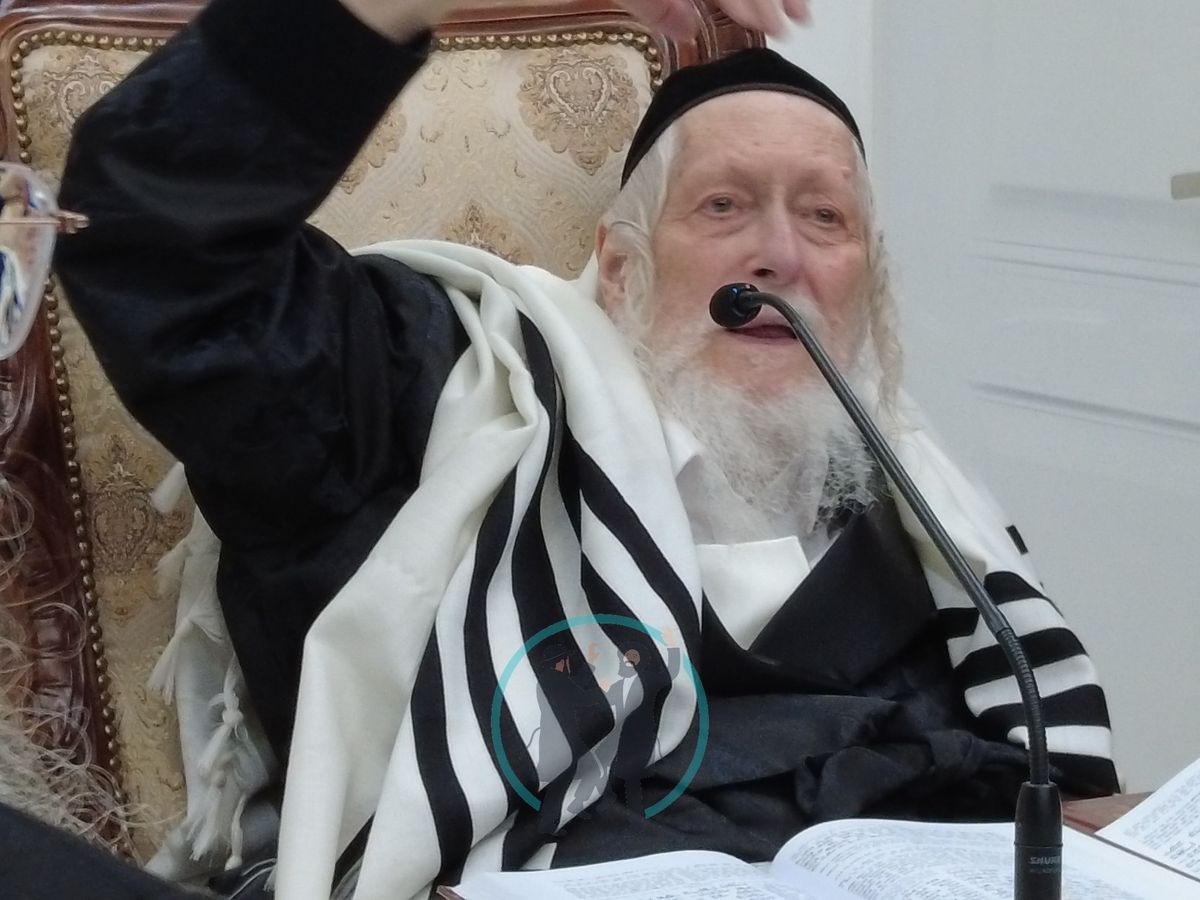
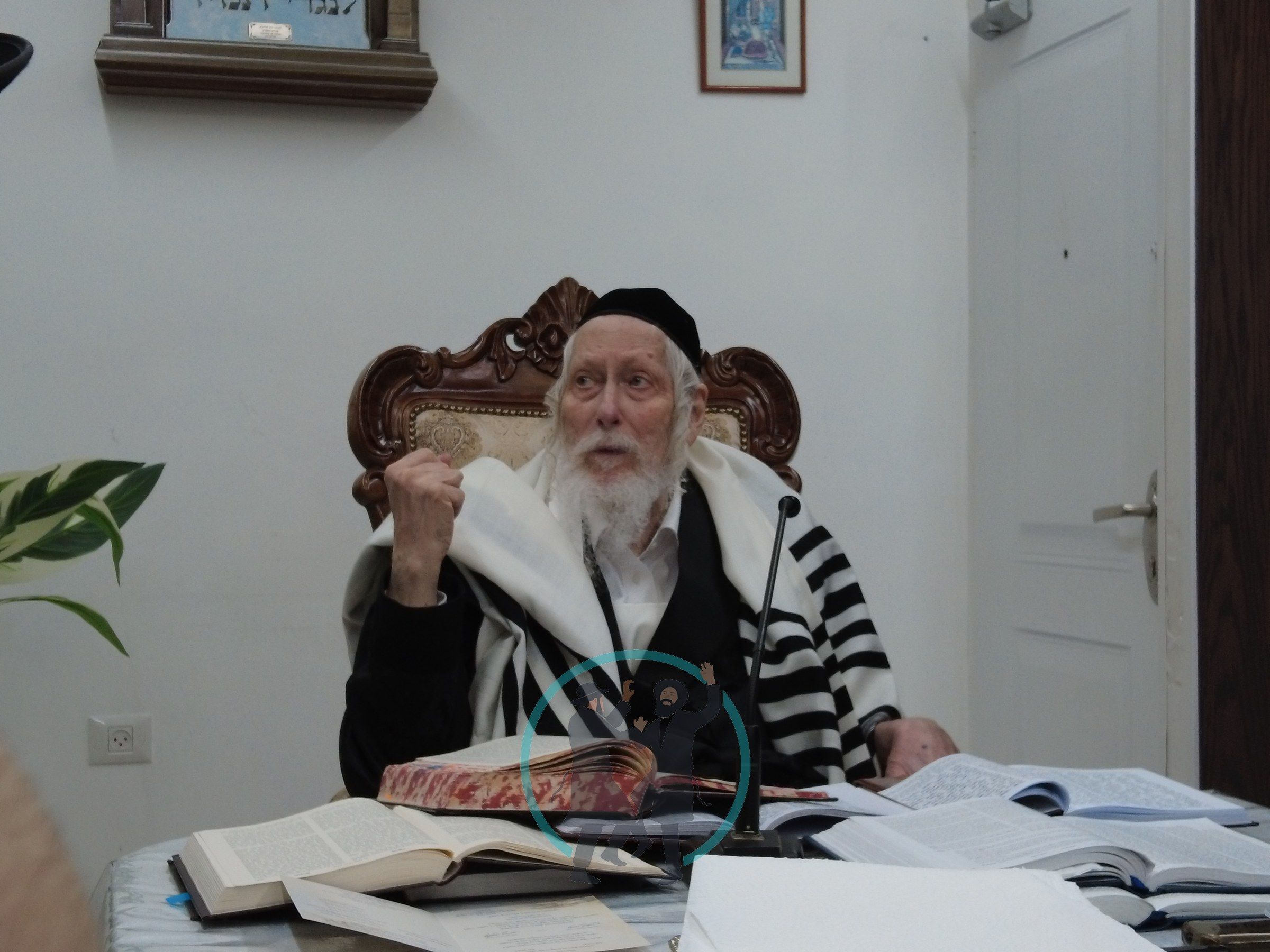
**In the third class given by Rabbi Eliezer Berland shlit"a to the students of the "Chochma V'Daas" yeshiva, the Rav navigated, as is his way, between the topics of the weekly Torah portions of Matos-Masei and vibrant, practical guidance for the young men. He spoke about the immense virtue of one who sits and learns Torah, the self-sacrifice of the soldiers of Israel, the importance of always wearing a kippah, and the secret of a man walking together with his wife. We have summarized the main points.**
"A yeshiva student learns twenty-four hours"
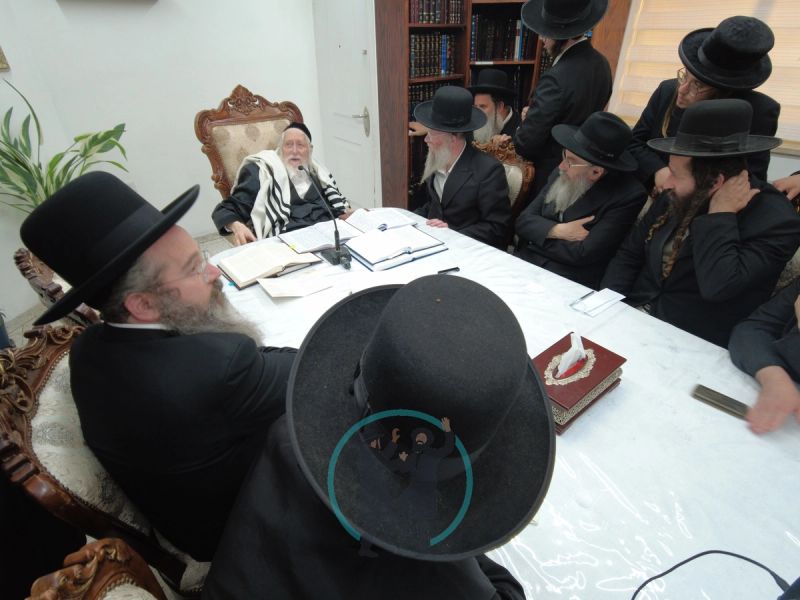
Rabbi Berland shlit"a opened with a description of how the secular world views a yeshiva student. The secular worker, he described, toils relentlessly — up at four in the morning, a two-hour commute, a sandwich in one hand and a coffee in the other, eating breakfast as he drives. And it is precisely because he labors so hard that it pains him to see the yeshiva students. On Hillel Street in Jerusalem, the restaurants are full of yeshiva students—"with hats, with ties"—and this can drive the passersby crazy, to the point that they yell at them, "Go to the army!" But the Rav turned the tables: it is precisely sitting and learning Torah day and night that is the truly great work.
The students of "Shuvu Banim" learn twenty-four hours.
 "Fire surrounds him" — When one learns Torah in truth
From there, the Rav went on to reveal what takes place around someone who learns Torah with deep devotion. He brought from the Midrash the figure of Rabbi Avahu, who, when he would sit and learn, "fire surrounded him," just like Ben Azzai, and everything around him seemed to burn in fire. Rabbi Berland shlit"a connected this same power to Devorah the Prophetess, an "eshes lapidos" (woman of flames). According to the Ralbag, torches of fire would emerge from her tent when she prophesied—similar to the revelation at Mount Sinai, where "the skin of Moshe's face shone." This, the Rav said, is the reward of one who truly learns Torah: the Torah surrounds him with holy fire.
"Never take off the kippah" — The message from "Little Red Riding Hood"
In his unique way, the Rav wove a deep moral lesson from a familiar children's story—"Little Red Riding Hood" (*Kippah Adumah* in Hebrew, literally "Red Kippah"). The wolf swallowed Little Red Riding Hood, and finally, the hunter came—representing the tzaddik—and rescued her from his belly. The moral of the story, the Rav taught the young men:
Never in your life take the kippah off your head—not even for a moment.
A kippah for a young man, and a headscarf for a married woman: the head covering never comes off, not for a single second.
"Fire surrounds him" — When one learns Torah in truth
From there, the Rav went on to reveal what takes place around someone who learns Torah with deep devotion. He brought from the Midrash the figure of Rabbi Avahu, who, when he would sit and learn, "fire surrounded him," just like Ben Azzai, and everything around him seemed to burn in fire. Rabbi Berland shlit"a connected this same power to Devorah the Prophetess, an "eshes lapidos" (woman of flames). According to the Ralbag, torches of fire would emerge from her tent when she prophesied—similar to the revelation at Mount Sinai, where "the skin of Moshe's face shone." This, the Rav said, is the reward of one who truly learns Torah: the Torah surrounds him with holy fire.
"Never take off the kippah" — The message from "Little Red Riding Hood"
In his unique way, the Rav wove a deep moral lesson from a familiar children's story—"Little Red Riding Hood" (*Kippah Adumah* in Hebrew, literally "Red Kippah"). The wolf swallowed Little Red Riding Hood, and finally, the hunter came—representing the tzaddik—and rescued her from his belly. The moral of the story, the Rav taught the young men:
Never in your life take the kippah off your head—not even for a moment.
A kippah for a young man, and a headscarf for a married woman: the head covering never comes off, not for a single second.
 "You do not go without your wife"
A recurring theme in the class was the place of a wife alongside her husband. From Daniel and the story of the lions' den, the Rav derived a fundamental principle in guiding a home: those one hundred and twenty-two ministers were not thrown into the den alone—each one took his wife with him (and even a baby), because a person does not go anywhere without her. The Rav also cited the story of the students of Rabban Yochanan ben Zakkai and Rabbi Eliezer ben Hyrcanus, whose wives did not let them go—"and a person must always listen to the voice of his wife; this comes before everything."
When you get married, know this: wherever you go, you go together with your wife.
The self-sacrifice of the soldiers of Israel — and what follows it
In his words on the Torah portion, which counts the tribes of Israel and their heroes, the Rav mentioned the self-sacrifice of the soldiers of Israel who go out to war. He shared a sermon he delivered in Shechem to the commanders: whoever sacrifices his life in war has all his sins forgiven and is destined for the World to Come. However, the Rav added a warning out of love: the soldier must protect this immense merit and not lose it afterward by turning against his Torah-observant brothers. "You are now acquiring the World to Come," he said, "guard it."
From the weekly Torah portion — The war of Midian and the reincarnation of Ruth
The topic of the Torah portion ran like a common thread throughout the class: the war of Midian. The Rav explained why Israel was commanded to fight specifically against Midian, and why the Torah discusses the advice of Bilaam—who advised the daughters of Midian to cause Israel to sin, until Pinchas acted zealously and stopped the plague. In the midst of this, the Rav unfolded the secret of the reincarnation of Ruth: Moshe's uncertainty about where Ruth the Moabite would emerge from—until she descended from Eglon the son of Balak—and the unfolding of the generations until King David. The Rav also mentioned the members of Yisro's family who converted, and his visit to the tomb of Yisro (Nabi Shu'ayb) in Majdal Shams.
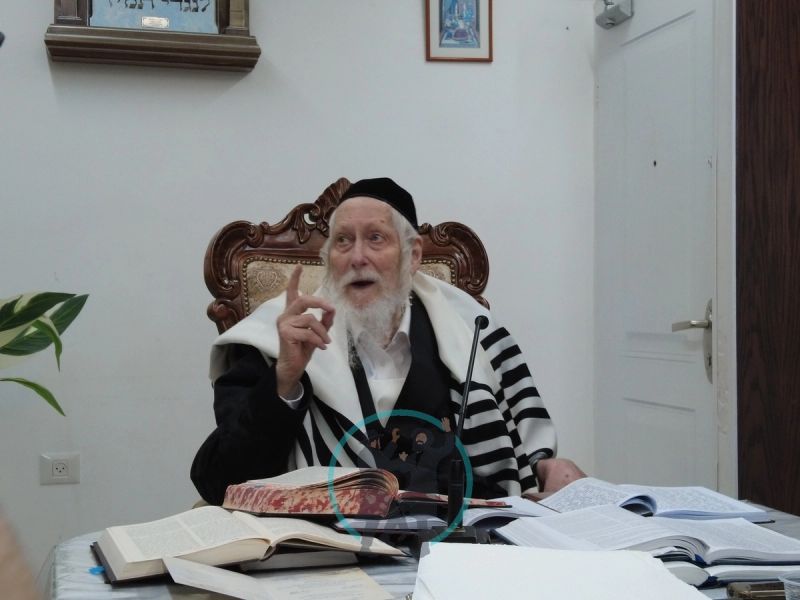
In conclusion, the Rav inspired the students of "Chochma V'Daas" to be diligent in their studies and to ascend higher in holiness.
"You do not go without your wife"
A recurring theme in the class was the place of a wife alongside her husband. From Daniel and the story of the lions' den, the Rav derived a fundamental principle in guiding a home: those one hundred and twenty-two ministers were not thrown into the den alone—each one took his wife with him (and even a baby), because a person does not go anywhere without her. The Rav also cited the story of the students of Rabban Yochanan ben Zakkai and Rabbi Eliezer ben Hyrcanus, whose wives did not let them go—"and a person must always listen to the voice of his wife; this comes before everything."
When you get married, know this: wherever you go, you go together with your wife.
The self-sacrifice of the soldiers of Israel — and what follows it
In his words on the Torah portion, which counts the tribes of Israel and their heroes, the Rav mentioned the self-sacrifice of the soldiers of Israel who go out to war. He shared a sermon he delivered in Shechem to the commanders: whoever sacrifices his life in war has all his sins forgiven and is destined for the World to Come. However, the Rav added a warning out of love: the soldier must protect this immense merit and not lose it afterward by turning against his Torah-observant brothers. "You are now acquiring the World to Come," he said, "guard it."
From the weekly Torah portion — The war of Midian and the reincarnation of Ruth
The topic of the Torah portion ran like a common thread throughout the class: the war of Midian. The Rav explained why Israel was commanded to fight specifically against Midian, and why the Torah discusses the advice of Bilaam—who advised the daughters of Midian to cause Israel to sin, until Pinchas acted zealously and stopped the plague. In the midst of this, the Rav unfolded the secret of the reincarnation of Ruth: Moshe's uncertainty about where Ruth the Moabite would emerge from—until she descended from Eglon the son of Balak—and the unfolding of the generations until King David. The Rav also mentioned the members of Yisro's family who converted, and his visit to the tomb of Yisro (Nabi Shu'ayb) in Majdal Shams.
In conclusion, the Rav inspired the students of "Chochma V'Daas" to be diligent in their studies and to ascend higher in holiness.
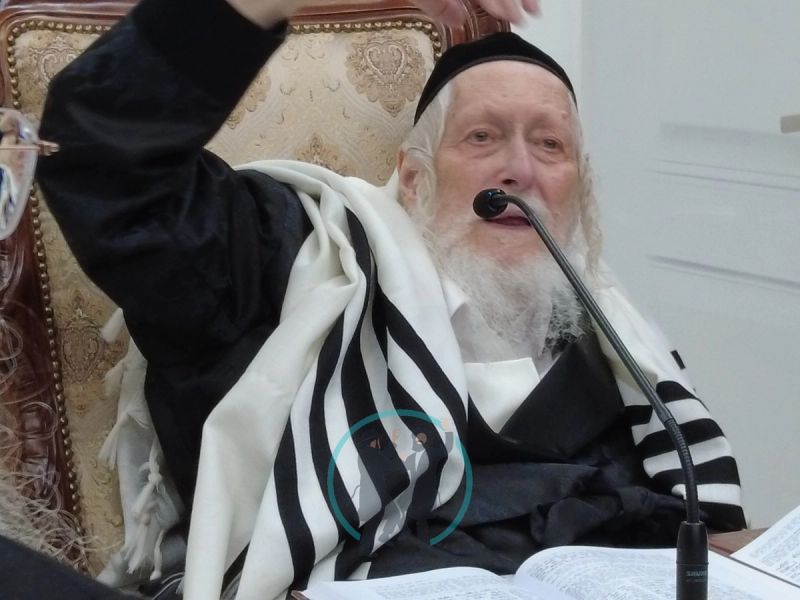
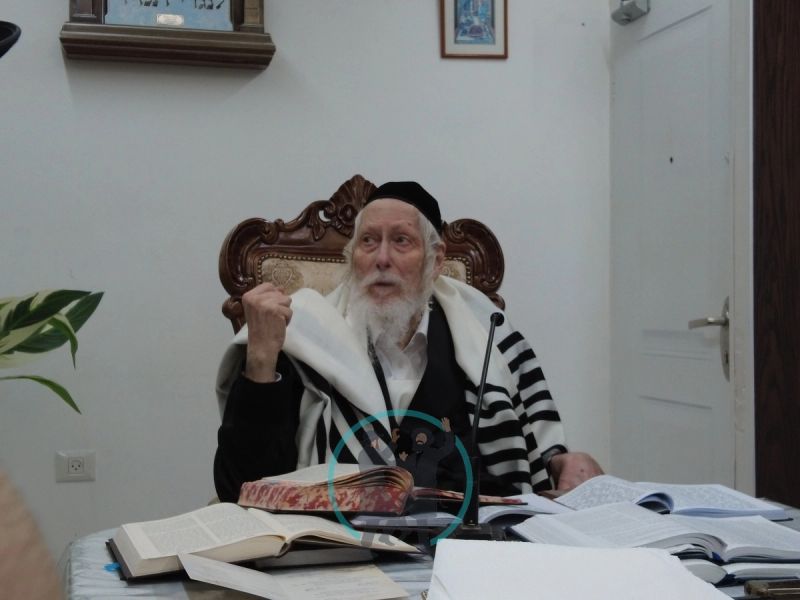 Photo gallery from the class
"Fire surrounds him" — When one learns Torah in truth
From there, the Rav went on to reveal what takes place around someone who learns Torah with deep devotion. He brought from the Midrash the figure of Rabbi Avahu, who, when he would sit and learn, "fire surrounded him," just like Ben Azzai, and everything around him seemed to burn in fire. Rabbi Berland shlit"a connected this same power to Devorah the Prophetess, an "eshes lapidos" (woman of flames). According to the Ralbag, torches of fire would emerge from her tent when she prophesied—similar to the revelation at Mount Sinai, where "the skin of Moshe's face shone." This, the Rav said, is the reward of one who truly learns Torah: the Torah surrounds him with holy fire.
"Never take off the kippah" — The message from "Little Red Riding Hood"
In his unique way, the Rav wove a deep moral lesson from a familiar children's story—"Little Red Riding Hood" (*Kippah Adumah* in Hebrew, literally "Red Kippah"). The wolf swallowed Little Red Riding Hood, and finally, the hunter came—representing the tzaddik—and rescued her from his belly. The moral of the story, the Rav taught the young men:
Never in your life take the kippah off your head—not even for a moment.
A kippah for a young man, and a headscarf for a married woman: the head covering never comes off, not for a single second.
"You do not go without your wife"
A recurring theme in the class was the place of a wife alongside her husband. From Daniel and the story of the lions' den, the Rav derived a fundamental principle in guiding a home: those one hundred and twenty-two ministers were not thrown into the den alone—each one took his wife with him (and even a baby), because a person does not go anywhere without her. The Rav also cited the story of the students of Rabban Yochanan ben Zakkai and Rabbi Eliezer ben Hyrcanus, whose wives did not let them go—"and a person must always listen to the voice of his wife; this comes before everything."
When you get married, know this: wherever you go, you go together with your wife.
The self-sacrifice of the soldiers of Israel — and what follows it
In his words on the Torah portion, which counts the tribes of Israel and their heroes, the Rav mentioned the self-sacrifice of the soldiers of Israel who go out to war. He shared a sermon he delivered in Shechem to the commanders: whoever sacrifices his life in war has all his sins forgiven and is destined for the World to Come. However, the Rav added a warning out of love: the soldier must protect this immense merit and not lose it afterward by turning against his Torah-observant brothers. "You are now acquiring the World to Come," he said, "guard it."
From the weekly Torah portion — The war of Midian and the reincarnation of Ruth
The topic of the Torah portion ran like a common thread throughout the class: the war of Midian. The Rav explained why Israel was commanded to fight specifically against Midian, and why the Torah discusses the advice of Bilaam—who advised the daughters of Midian to cause Israel to sin, until Pinchas acted zealously and stopped the plague. In the midst of this, the Rav unfolded the secret of the reincarnation of Ruth: Moshe's uncertainty about where Ruth the Moabite would emerge from—until she descended from Eglon the son of Balak—and the unfolding of the generations until King David. The Rav also mentioned the members of Yisro's family who converted, and his visit to the tomb of Yisro (Nabi Shu'ayb) in Majdal Shams.
In conclusion, the Rav inspired the students of "Chochma V'Daas" to be diligent in their studies and to ascend higher in holiness.
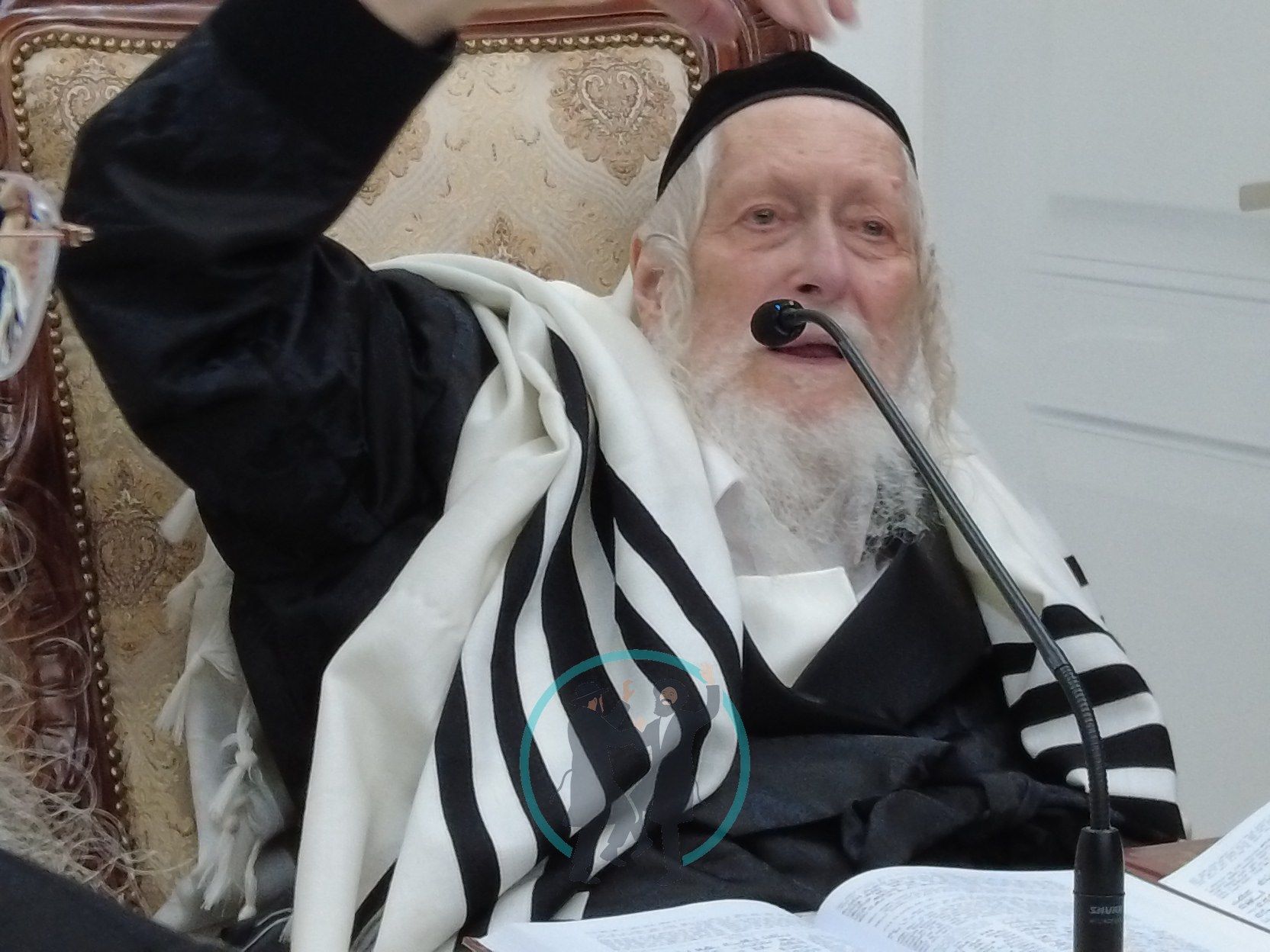
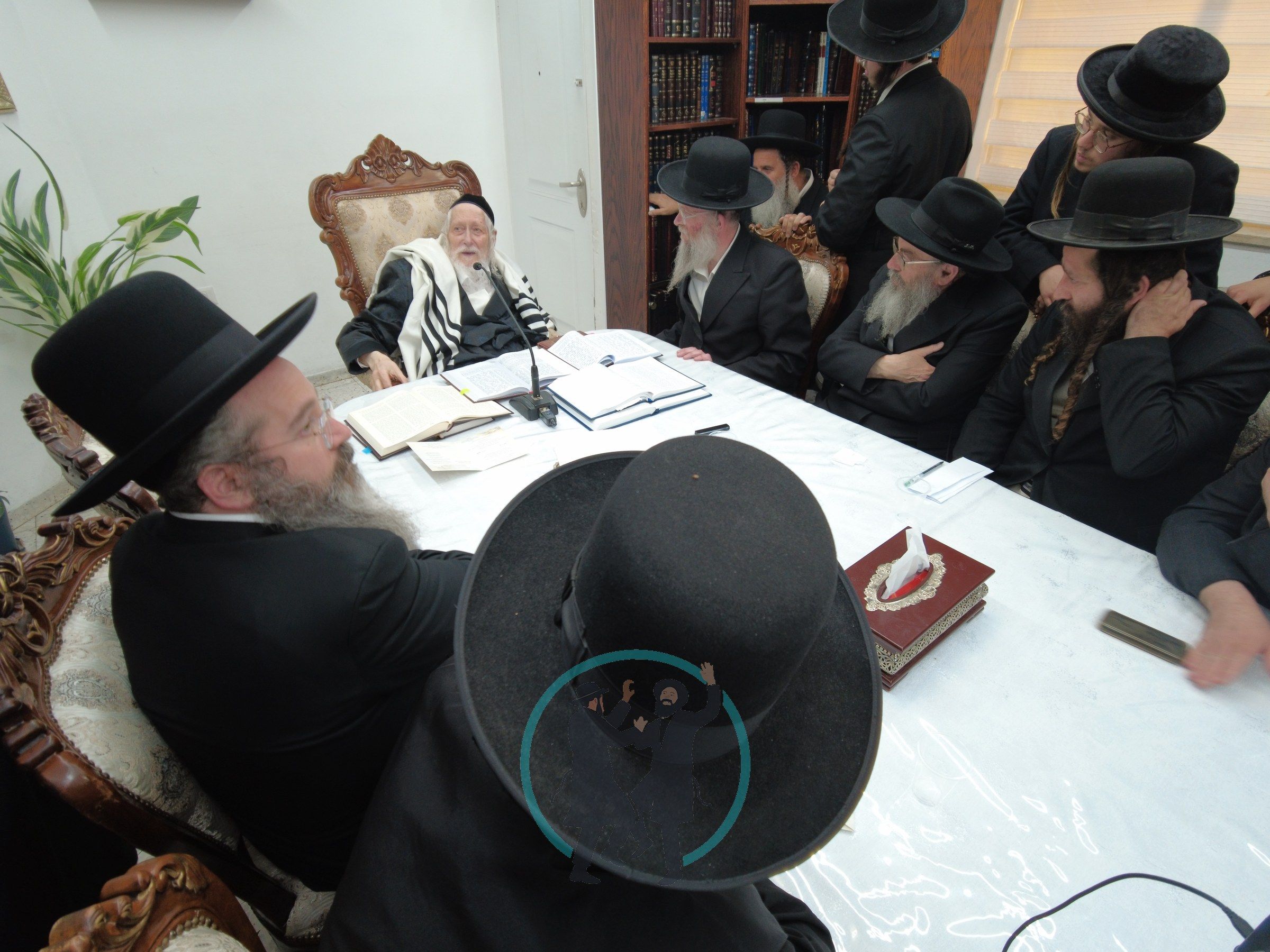
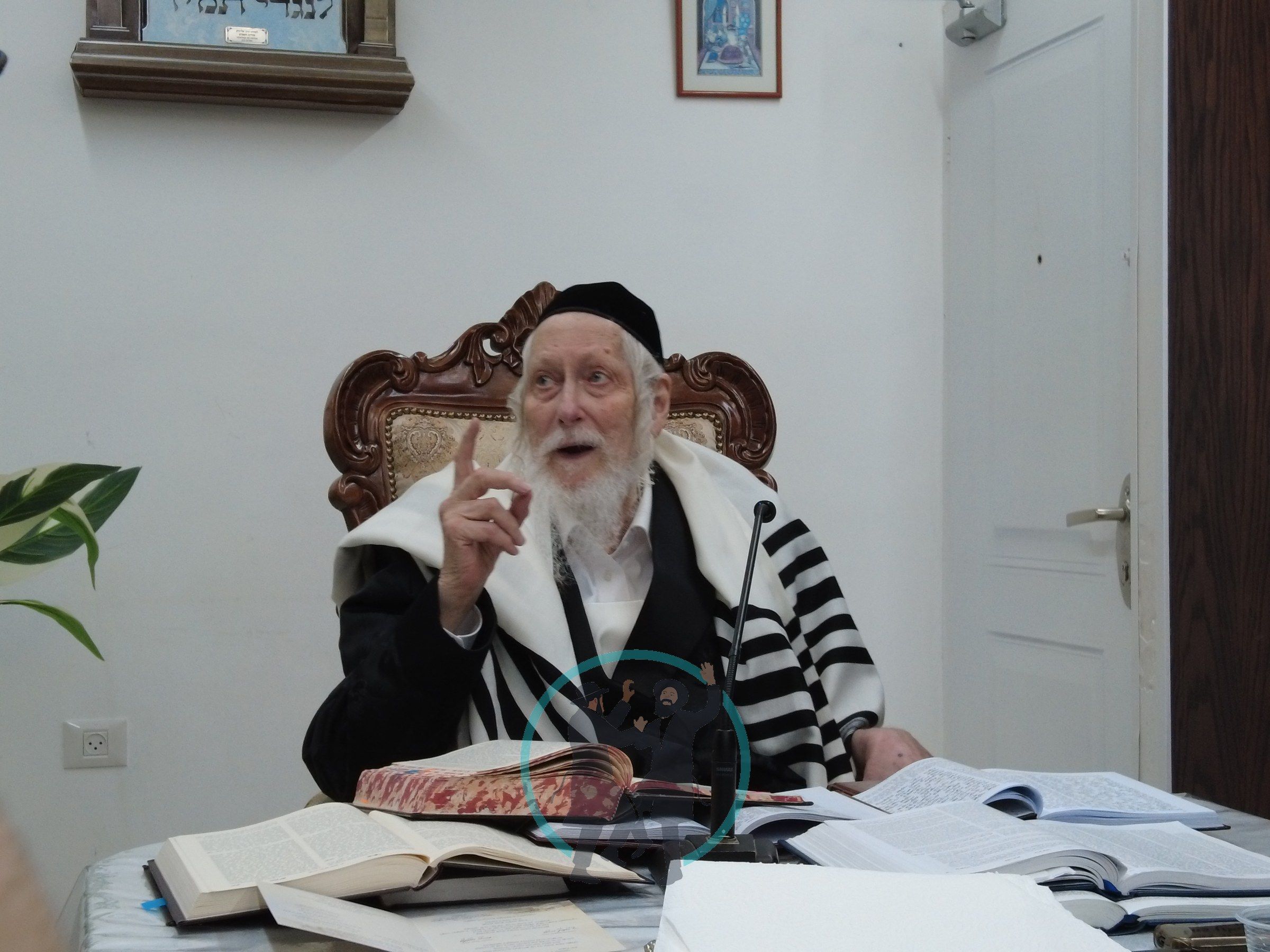
Photo gallery from the class
Subscribe to Our Newsletter
Receive Torah articles and inspiration directly in your inbox