The Secret of the Ten Gates: The Root of the Halachic Dispute Between Yosef and His Brothers
Lesson No. 293 | Motzaei Shabbos Kodesh Parashas Bo, the eve of 11 Shevat 5761 - Melaveh Malkah (post-Shabbos meal) for the Shaarei Torah Yeshiva Gedolah at the home of the Rav (continued from No. 292)
The stormy argument between Yosef and his brothers was not a personal conflict, but rather a deep halachic (Jewish legal) dispute surrounding the status of the sons of the maidservants. Through the wondrous story of the finance ministers who were great Torah scholars, it is explained how the dispute was resolved at the gates of Egypt.
The terrible dispute between Yosef and his brothers revolved around an absolute halachic issue, without any personal biases: the status of the sons of the maidservants, Dan, Naftali, Gad, and Asher. The brothers believed that they had the status of slaves, and wanted to subjugate them and turn them into woodchoppers and water carriers. According to their view, Bilhah and Zilpah were maidservants like Hagar, and no bill of emancipation would help them. They argued that there was a certain wildness in them, and only hard labor could subdue this kelipah (spiritual impurity).
In contrast, Yosef HaTzaddik rebelled against this attitude. He cried out: "They are not maidservants! Bilhah and Zilpah are the twin sisters of Rachel and Leah." Yosef ruled according to the opinion of Rav Natronai Gaon (brought in the words of the Arizal), that if a man betroths his maidservant—through the act itself, he frees her.
"And anyone who has no kiddushin (betrothal) with him, the offspring is like her... but one who cohabits with his own maidservant and she bears him a daughter, then she is a daughter."
Yosef argued that even if Yaakov Avinu did not write them an explicit bill of emancipation, the very act of betrothal elevated them to the level of Matriarchs, and their sons are completely free men.
The Dispute of the Poskim (Halachic Decisors) Regarding the Tribes of Hashem
All the arguments between Yosef and the brothers were based on halachic topics. The dispute was whether the halachah follows the opinion of the Rambam, or the opinion of the Rif, the Rosh, and the Tur. The brothers ruled according to the Rambam's opinion in the laws of inheritance and acquisition, that if a man cohabits with his maidservant, the offspring remains a Canaanite slave in every respect, and it is even permissible to sell him. Therefore, according to their view, it was permissible to sell the sons of the maidservants as slaves.
Yosef, on the other hand, ruled according to the opinion of the Tur and the Rosh, that a slave who marries a free woman in the presence of his master goes free, and all the more so when a man marries his own maidservant. The moment Yaakov betrothed Bilhah and Zilpah, they were immediately freed, and their sons are the Tribes of Hashem in every respect.
The Finance Ministers Who Lived in the World of Halachah
To understand the depth of the immersion of the Torah giants in halachah, and how physical reality was nullified in their eyes, one must observe the figures of the author of the "Mishneh LeMelech" (Rabbi Yehudah Rosanes) and Rabbi Shimshon Wertheimer. Both served as mighty finance ministers—one for the Turkish Sultan and the other for the Emperor of Austria. They managed the economies of empires, financed wars, and ensured the supply of weapons and ammunition to massive armies.
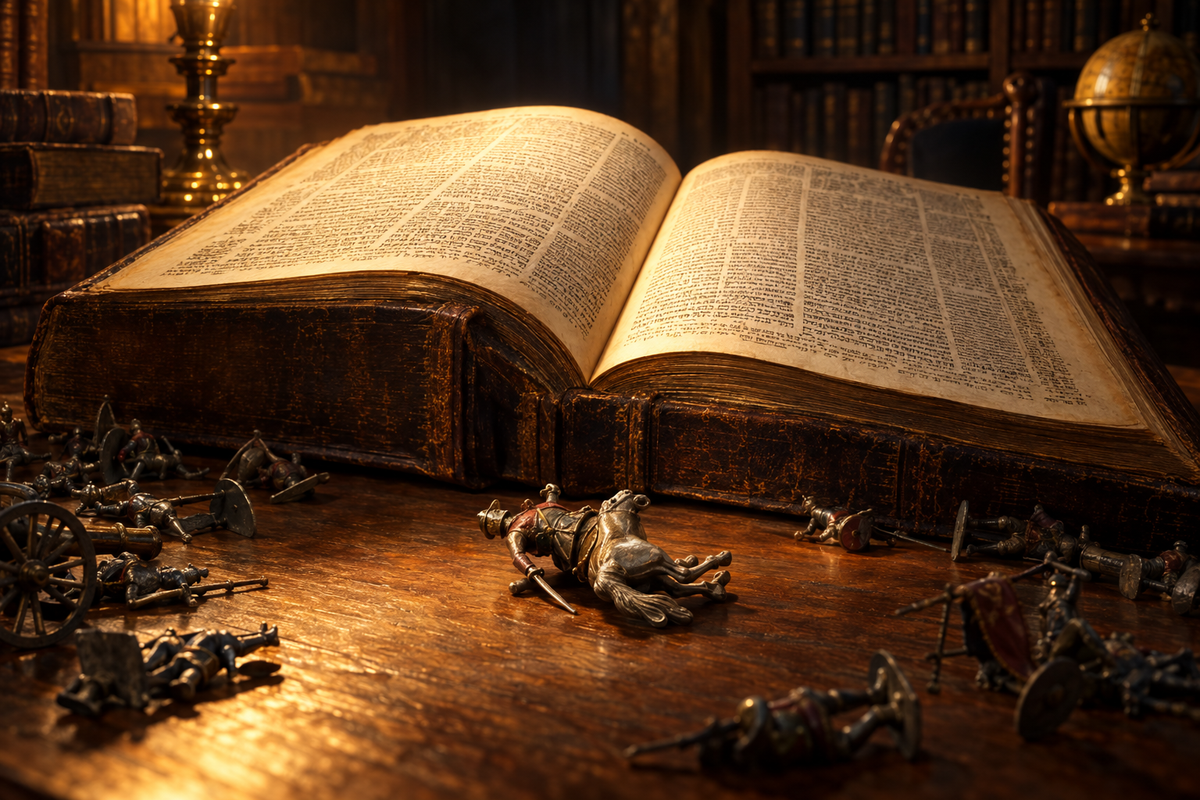
Yet despite their lofty positions, for them all the matters of this world were like children playing with lead toy soldiers. They sat and learned Torah without interruption, authored deep halachic works, and all the affairs of the kingdom did not interest them at all. The author of the "Chavos Yair" even testified about Rabbi Shimshon Wertheimer that "from the days of Rav Ashi, there has not been anyone like him."
The Mishneh LeMelech would ride through the city streets on a horse he received from the Emperor, dressed in royal garments with a sword strapped to his thigh like a senior general, but his mind was entirely immersed in the laws of kiddushin (betrothal) and questions of lineage. The only true reality for them was the Torah. There is no emperor, there is no sultan, and there are no wars—there are only sins, mitzvos, Gemara, and poskim (halachic decisors). Everything else is fog and scarecrows.
The Test at the Ten Gates of Egypt
Let us return to the argument between the brothers. Even after Yosef managed to convince them that Bilhah and Zilpah were their father's wives and not maidservants, the brothers raised a new halachic claim based on the Rambam's opinion: even if the master writes to his maidservant, "Behold, you are a free woman," the offspring still remain slaves. They argued: "Surely Yaakov will not leave us without servants to chop wood and draw water while we learn Torah!"
When did Yosef know that the brothers had finally done teshuvah (repentance) and recognized the equal status of the sons of the maidservants? When they went down to Egypt.
Yosef commanded that those entering through all the gates of Egypt be registered, because he wanted to see how the brothers would enter. If they had entered through only six gates (Reuven, Shimon, Levi, Yehudah, Yissachar, and Zevulun), it would have proven that they still held their opinion that the four sons of the maidservants were merely servants carrying the equipment for them. But the moment Yosef saw that they were entering through ten separate gates, he understood immediately: they had done complete teshuvah! They recognized that all ten brothers were equal, all were free men, and all were the Tribes of Hashem.
Part 1 of 4 — Lesson No. 293
Subscribe to Our Newsletter
Receive Torah articles and inspiration directly in your inbox