The Bar Mitzvah Celebration of the Great-Grandson of Rabbi Eliezer Berland shlit"a: "If You Lower Your Head — You Will Be Holy"
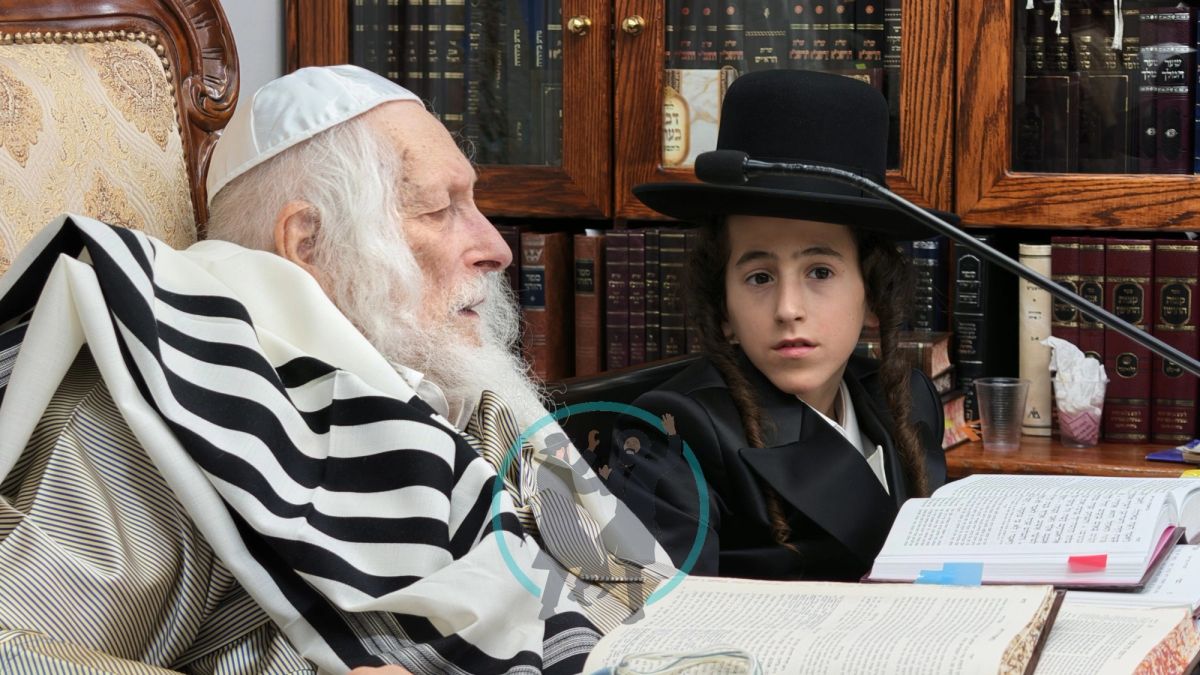
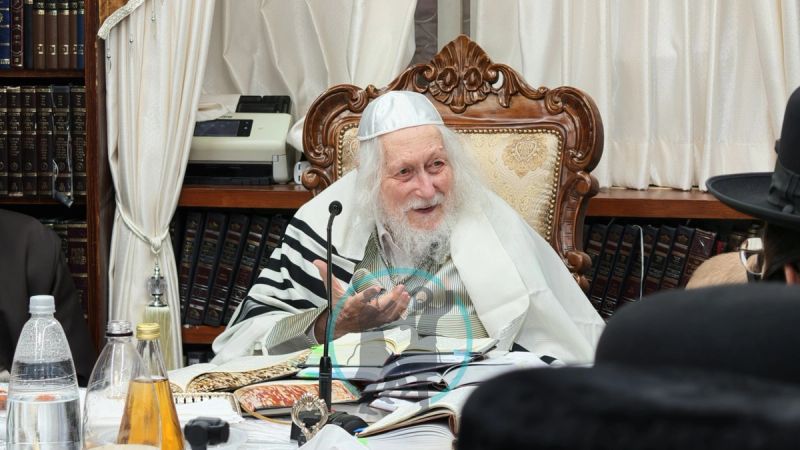
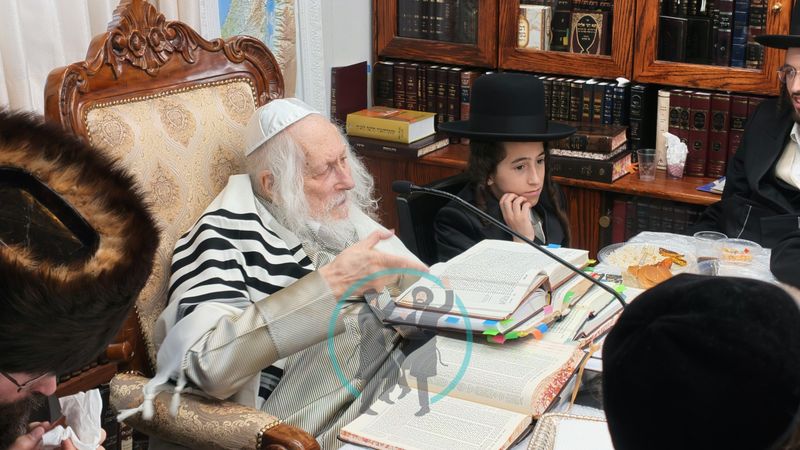
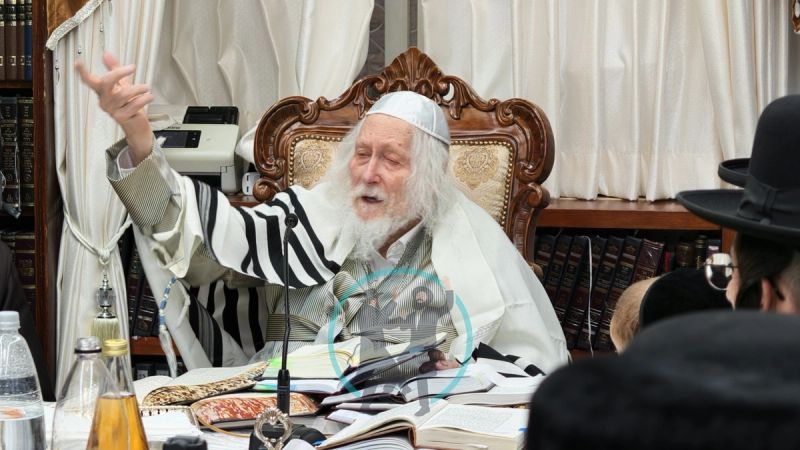
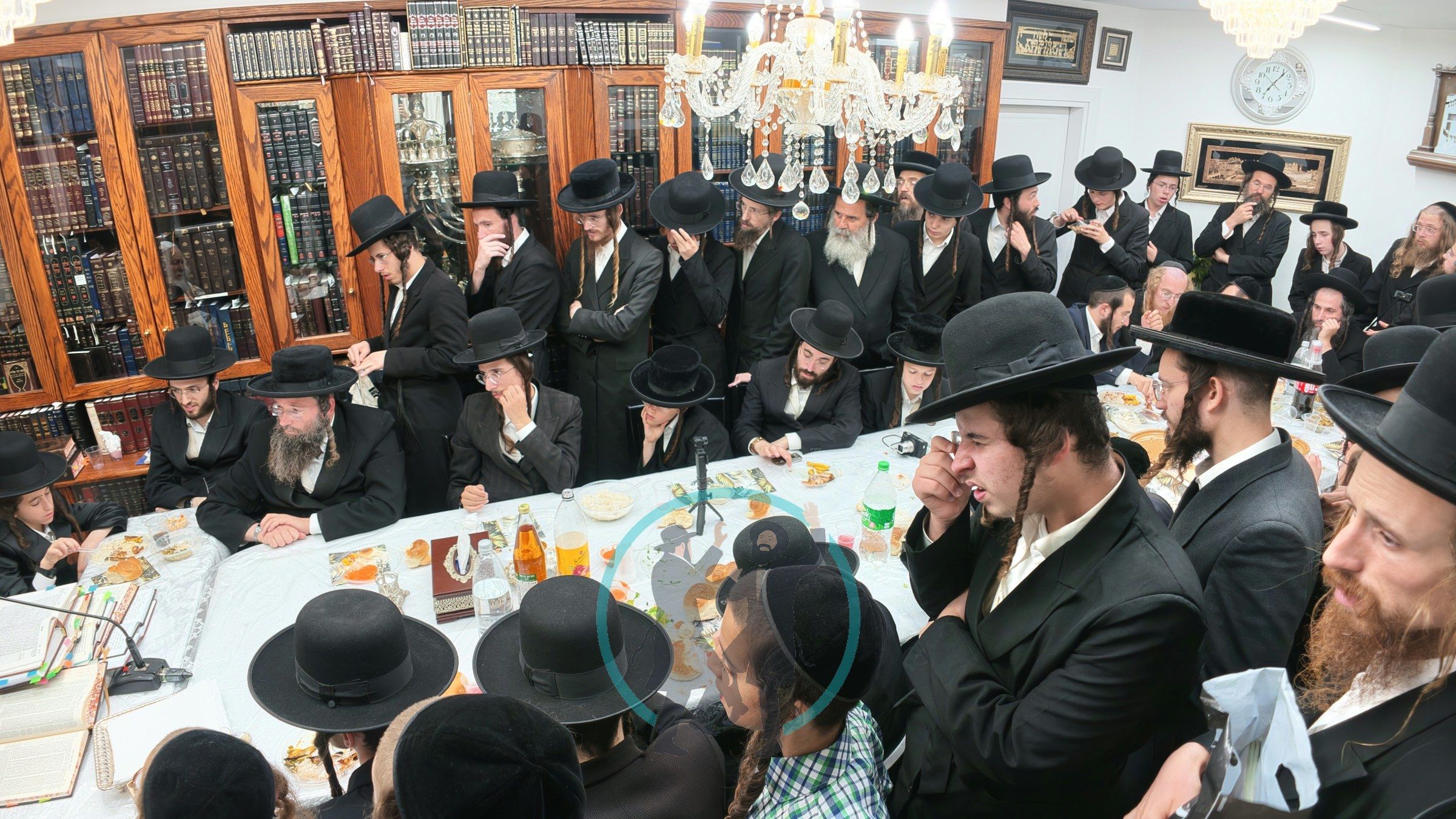
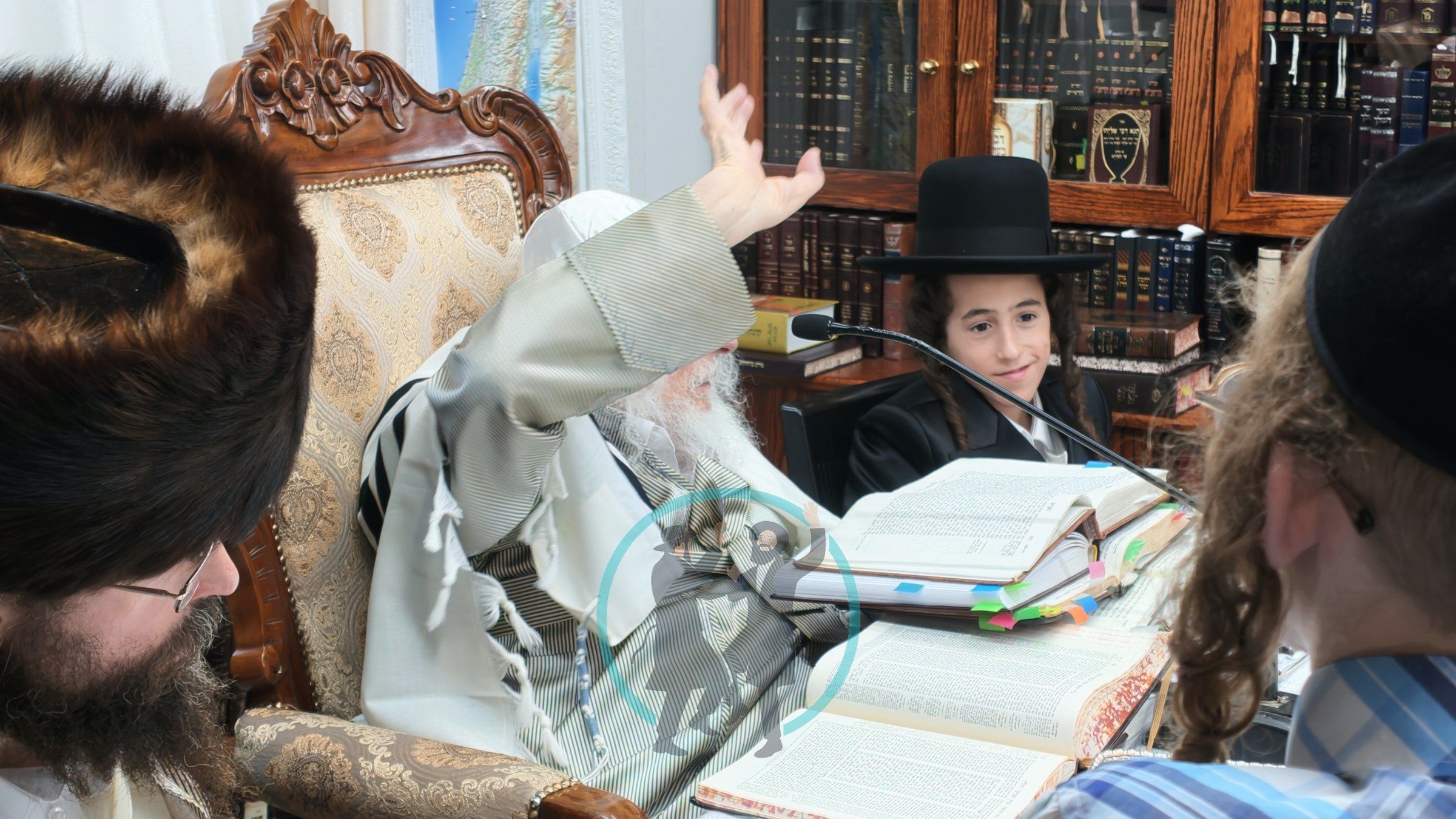
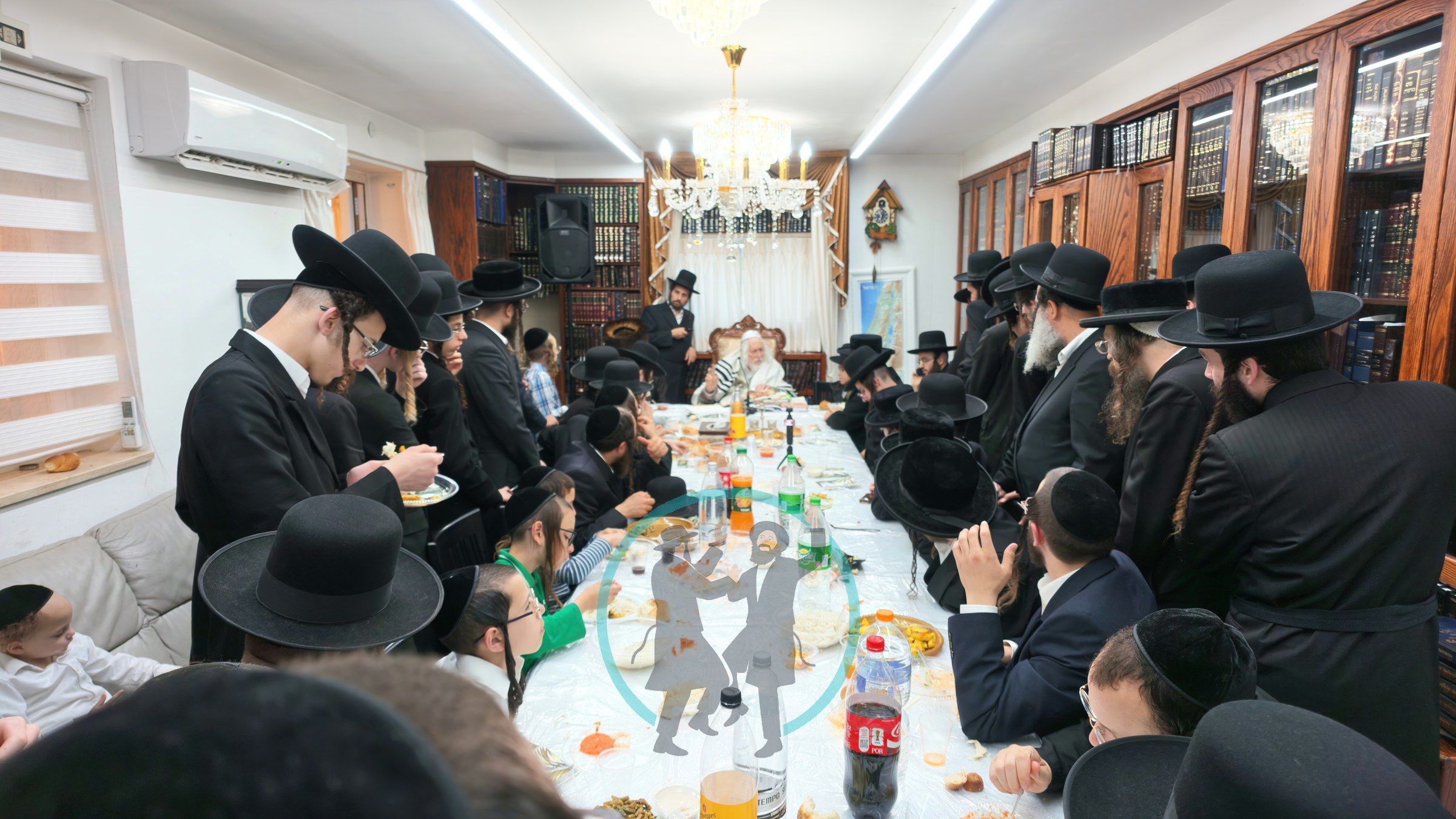
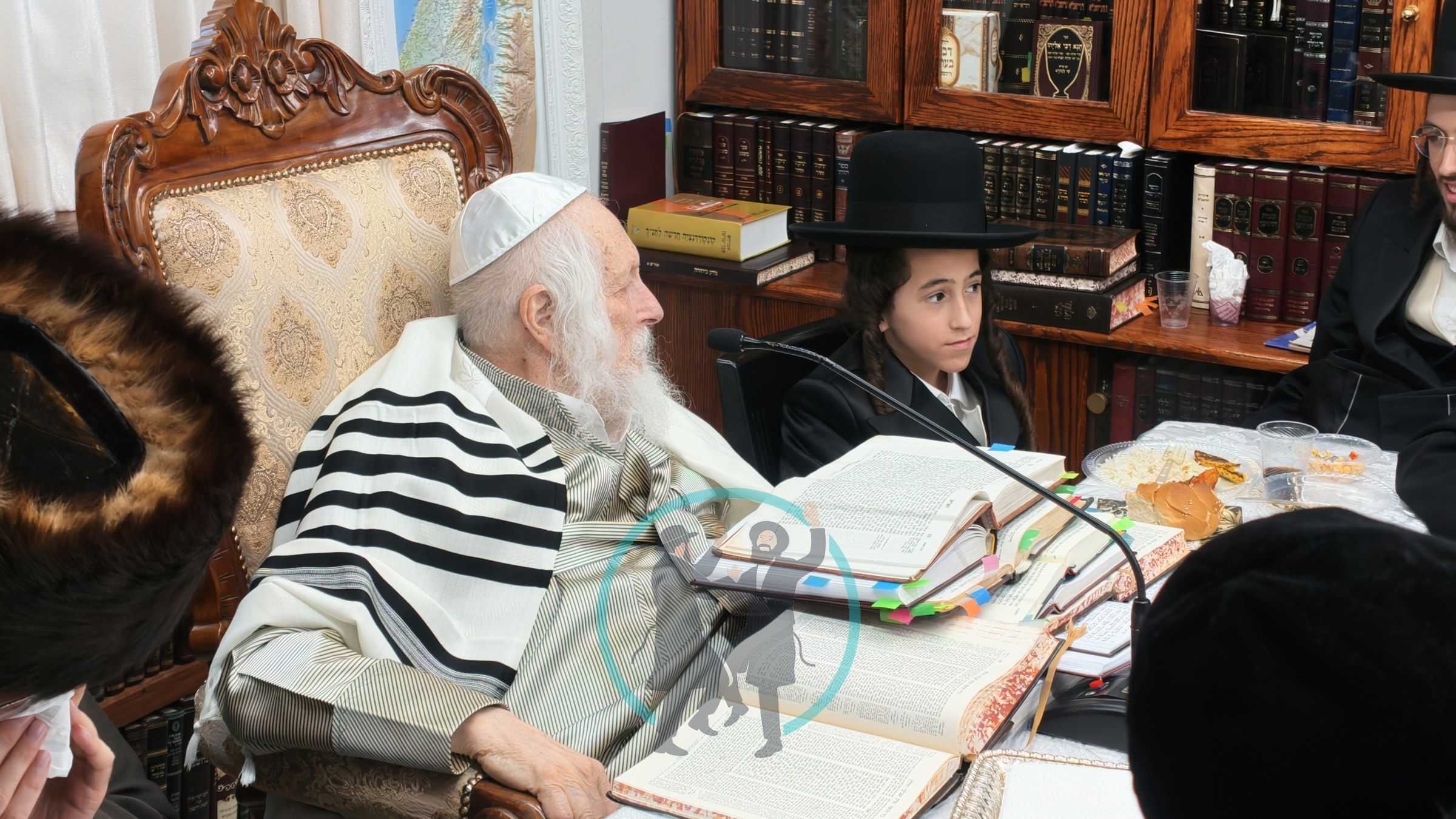
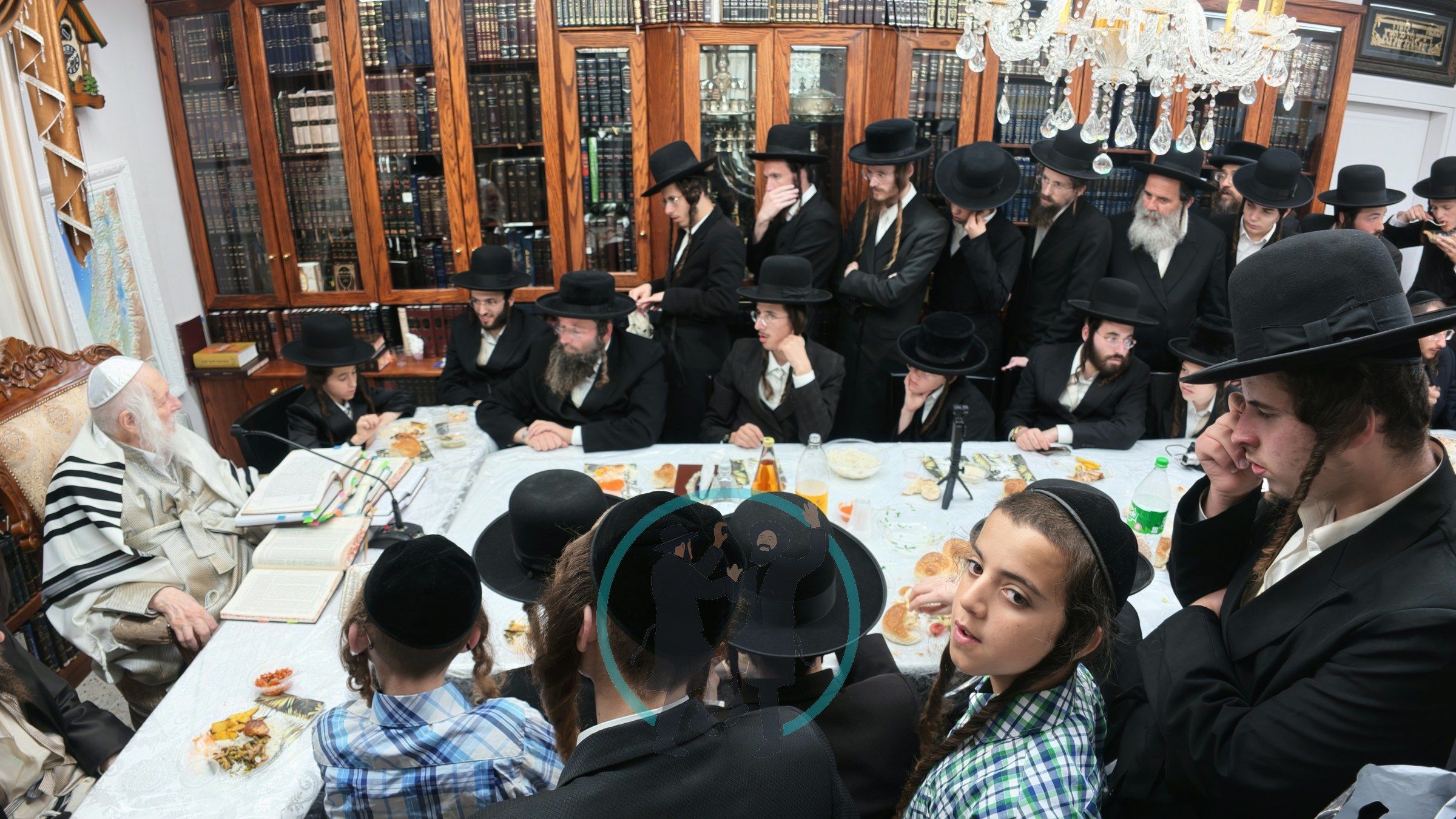
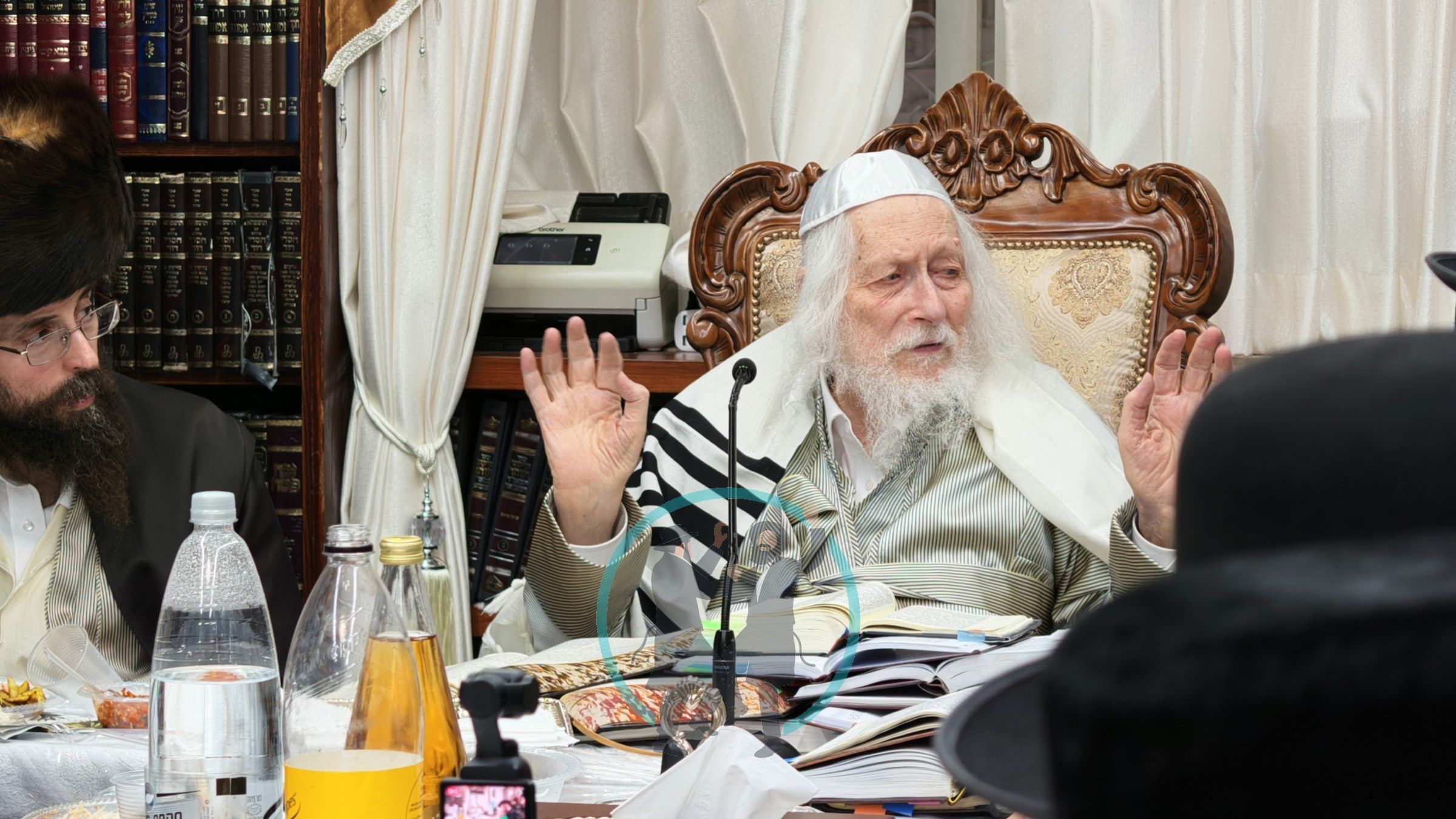
On the 23rd of Av 5786, during the week of Parshas Re'eh, the Bar Mitzvah celebration for his great-grandson Shimon Zucker, the son of his grandson Rabbi Nachman Zucker, was held at the home of Rabbi Eliezer Berland shlit"a. A seudas mitzvah (festive meal) took place, Rabbi Berland shlit"a delivered a lengthy shiur (Torah class), and at its conclusion, they sang and danced.
"If You Lower Your Head — You Will Be Holy"
The heart of the shiur was a question from the Gemara: Why did the donkey specifically merit the mitzvah of peter chamor (redeeming the firstborn donkey), and not the camel, the horse, or the mule? Rabbi Berland shlit"a presented the question sharply—what is the meaning behind this preference?
And the answer: The horse cannot carry loads at all, it only runs; the camel is half-and-half; but the poor donkey carries the burdens quietly and does not complain, "It is too hard for me." It lowers its head and carries the load.
"If you are a donkey who lowers his head — you will be holy."
Thirteen — The Age of Tests
From the discussion about the laughter of our Matriarch Sarah—"After I have withered, shall I have youthfulness?"—Rabbi Berland shlit"a transitioned to the age itself, the age of Bar Mitzvah:
"Thirteen is the most terrible age, full of risk. There is not yet intellect, there is not yet daas (spiritual awareness)—and everything is wide open."
The Daily Schedule of a Thirteen-Year-Old
At the beginning of the shiur, Rabbi Berland shlit"a provided a practical daily schedule according to age: A thirteen-year-old—eight hours of sleep, going to bed at nine, waking up at five, and praying k'vasikin (at sunrise). At age sixteen—seven hours. At age eighteen—six. And why is this possible specifically now? "Because now it is Bein HaZmanim (the yeshiva intersession)."
Utilizing Bein HaZmanim — Rabbi Chaim Kanievsky at Age Fifteen
Rabbi Berland shlit"a spoke about Rabbi Chaim Kanievsky zt"l, whose father suddenly noticed that he was not studying Gemara. It turned out that he was studying the weekly Torah portion with all of its commentaries—for an entire year.
"Now it is Bein HaZmanim, one can dedicate the time. When there are regular yeshiva schedules—it is impossible."
Grandfather Avraham Shaki — Twenty-Four Hours in a Book
From here, Rabbi Berland shlit"a turned to the family itself: "You had a grandfather, Avraham Shaki"—who studied twenty-four hours a day and never took his head out of the book. He authored six volumes on Jewish customs, with more remaining in manuscript, and did not leave out a single custom. He was also the principal of a large school in Bnei Brak. Rabbi Berland shlit"a said that everything he wrote must be published.
He Who is Stubborn — Merits
From Parshas Chukas, regarding the mountains that leaped toward the Jewish people—"This was greater than the splitting of the Red Sea"—Rabbi Berland shlit"a brought the teachings of Likutey Halachos and the Midrash: That if a person is stubborn, he merits. Whoever wants to study Torah and stubbornly insists upon it—will achieve it.
"The Place that Hashem Will Choose" — And Why the Torah Does Not Reveal It
Twenty-one times the Torah says "the place that Hashem will choose" without explicitly naming the location. Rabbi Berland shlit"a cited the Rambam, explaining that every tribe thought their mountain was the chosen one—Asher on the Carmel, Zevulun and Yissachar on the Tavor, and Naftali on the Hermon. In the ultimate future, the Hermon, the Tavor, and the Carmel will all unite with Mount Moriah and Mount Sinai.
Amidst these words, Rabbi Berland shlit"a returned to the topic of the stones of Jerusalem in the future to come, and to that student who did not believe that a single stone could be of such a massive size—the very same fundamental teaching he delivered at the gathering for the yeshiva students of Bein HaZmanim, and again in the shiur for the residents of the center of the country.
A Practical Message
Lower the head — The donkey merited what the camel and the horse did not, because it carries its burden in silence.
Thirteen is the age of tests — There is not yet intellect and there is no daas (spiritual awareness), and everything is wide open.
Utilize Bein HaZmanim — When there are no regular yeshiva schedules, one can dedicate an entire year to studying the commentaries.
Be stubborn — He who is stubborn, merits.
Photo Gallery from the Celebration
Subscribe to Our Newsletter
Receive Torah articles and inspiration directly in your inbox